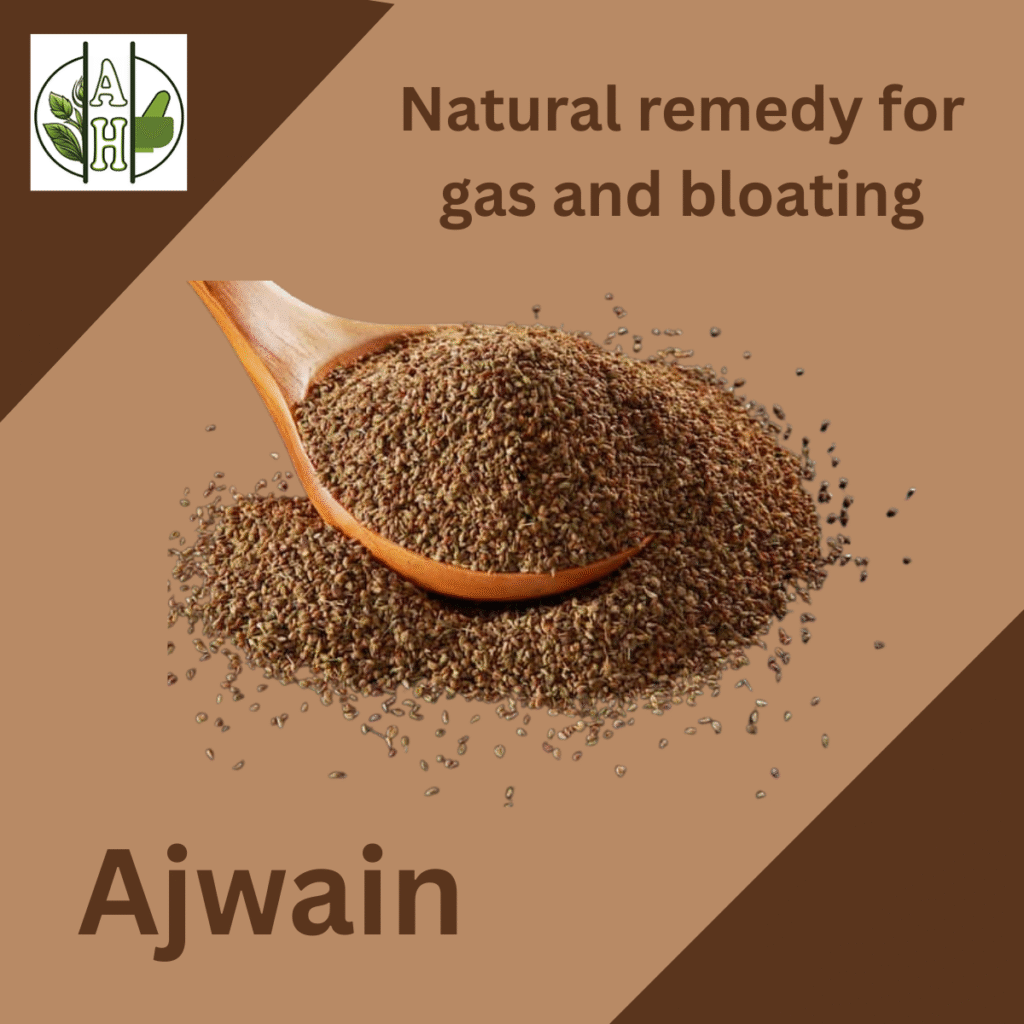
Open any Indian spice drawer, and you’re likely to find a jar of tiny, pungent seeds known as Ajwain. These sharp, aromatic seeds may look modest, but they carry centuries of Ayurvedic wisdom and healing potential within them. Known for their powerful digestive, carminative, and detoxifying effects, Ajwain seeds are much more than just a flavorful touch in parathas or pakoras.
In Ayurveda, Ajwain holds a special place for its ability to balance the digestive fire (agni), eliminate toxins (ama), and soothe discomforts ranging from bloating to respiratory congestion. If your grandmother ever gave you a pinch of ajwain with warm water for stomach aches, you already know—this herb works like magic.
Common Names of Ajwain
- Sanskrit: Yavani (यवानी), Ugragandha
- Hindi: Ajwain (अजवाइन)
- Tamil: Omam
- Telugu: Oma
- Kannada: Oma
- Bengali: Jowan
- English: Carom seeds
- Botanical Name: Trachyspermum ammi
Yavani has been used in Ayurveda, Unani, and Siddha medicine for millennia, cherished for its ability to kindle digestion and detox the gut naturally
Ayurvedic Properties of Ajwain
Ajwain’s intense, peppery flavor gives a clear clue to its energetic qualities—it’s fiery, light, and invigorating.
- Rasa (Taste): Katu (pungent)
- Guna (Qualities): Laghu (light), Ruksha (dry), Tikshna (sharp/piercing)
- Virya (Potency): Ushna (hot)
- Vipaka (Post-digestive effect): Katu (pungent)
- Effects on Doshas:
- Balances Vata and Kapha
- May aggravate Pitta in excess due to its heating nature
Ajwain is particularly effective at pacifying Vata-type digestive issues like gas, bloating, irregular appetite, and abdominal discomfort.
Traditional Usages in Ayurveda
Yavani is incredibly versatile—used as a home remedy, culinary spice, and therapeutic agent across households and Ayurvedic clinics. Here’s how it’s traditionally used:
For digestion & gas:
A simple mix of Yavani and black salt with warm water after meals can soothe bloating and indigestion.
For colds & coughs:
Yavani seeds boiled in water or used in steam inhalation can relieve nasal congestion and support easier breathing.
For joint pain:
Ajwain oil is traditionally massaged over painful joints due to its anti-inflammatory and pain-relieving properties.
For women’s health:
Yavani water is often given post-delivery to cleanse the uterus and improve digestion.
In cooking:
Beyond medicinal use,Yavani is a popular seasoning in Indian cuisine, known for its digestive properties when added to deep-fried or heavy foods.
Recommended Dosage and Forms
| Form | Usage |
|---|---|
| Seeds (whole) | 1–2 grams with warm water or in meals |
| Powder (Churna) | ½–1 gram, often mixed with rock salt or ginger |
| Ajwain water (boiled infusion) | 30–50 ml, sipped warm |
| Ajwain oil (external use only) | For massage on painful joints or abdomen |
Always consult an Ayurvedic practitioner for prolonged or therapeutic use, especially for children or those with underlying conditions.
Precautions & Contraindications
Yavani is potent—and with potency comes a need for moderation:
- May cause heartburn or acidity in Pitta-dominant individuals if taken in large amounts.
- Pregnant women should avoid excessive intake, though small culinary use is generally safe.
- Not recommended in ulcerative conditions or individuals with excessive internal heat.
When used appropriately, Yavani is a gentle healer—but as with all Ayurvedic herbs, personalization is key.
Modern Research on Ajwain
Scientific studies have validated many of Yavani’s traditional uses:
- Digestive Health: Yavani contains thymol, which stimulates gastric secretions and improves digestion.
(Source: Journal of Ethnopharmacology, 2004) - Antimicrobial Properties: अजवाइन extracts exhibit strong antimicrobial and antifungal properties.
(Source: International Journal of Food Microbiology) - Anti-inflammatory: Topical application of Yavani oil has shown benefits for pain and inflammation.
(Source: Pharmacognosy Reviews, 2011) - Respiratory Benefits: Inhalation of Yavani vapors has been found to ease asthma symptoms in traditional setups.
(Source: AYU Journal, 2010)
Ajwain: A Spice Cabinet Hero with Medicinal Roots
Yavani is one of those rare herbs that blur the line between food and medicine. It’s a staple in the kitchen, yet works like a quiet Ayurvedic physician when called upon. Whether you’re dealing with digestive trouble after a heavy meal or looking for a natural way to warm up the lungs and joints, Ajwain might just be your go-to remedy.
It’s tiny, aromatic, and unapologetically pungent—but oh, how it delivers.
References
- Charaka Samhita – Sutrasthana, Vimana Sthana
- Bhavaprakasha Nighantu – Yavani Varga
- Healthline – Ayurvedic Herbs and Spices
- Ayur Times – Ajwain (Carom Seeds)
- Art of Living – Top Ayurvedic Herbs