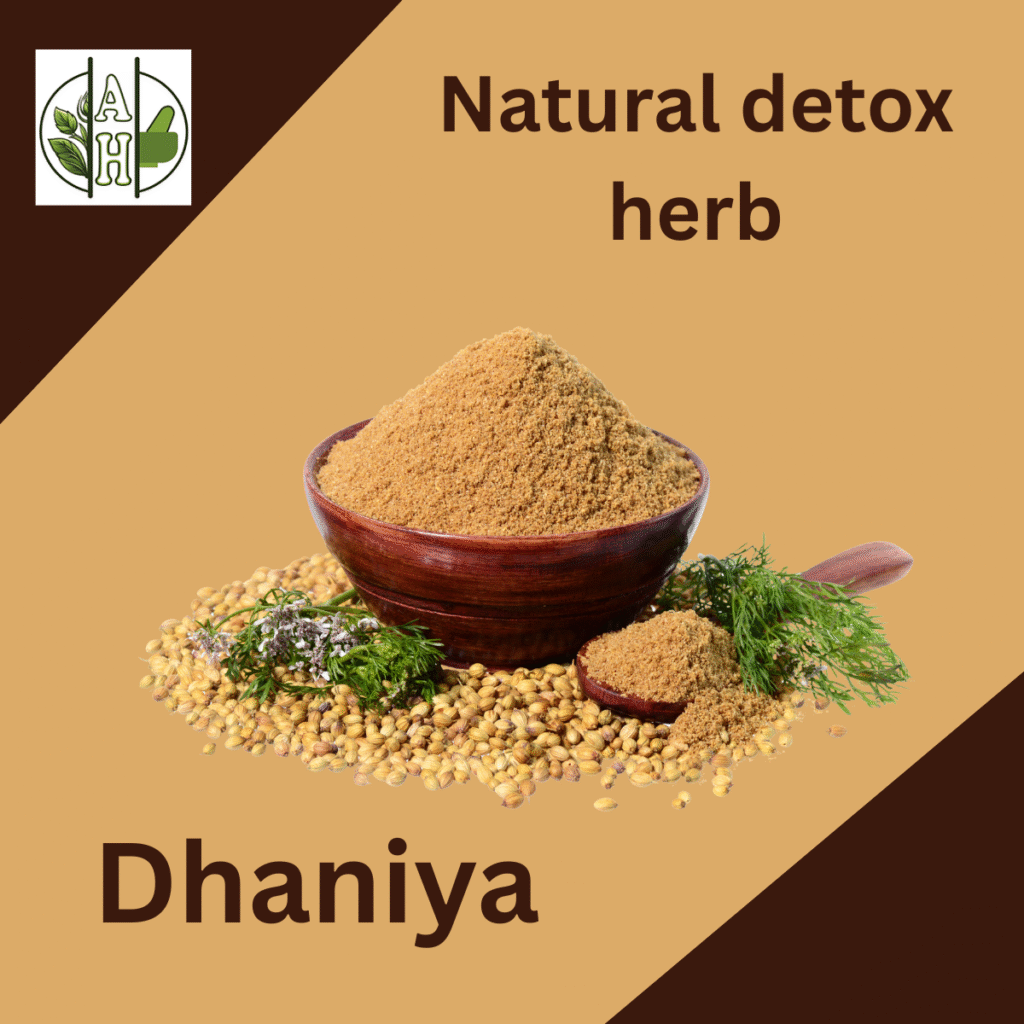
If your spice rack had a wellness guru, Dhaniya, or coriander, would be it. Subtle in flavor but powerful in effect, this humble herb has quietly supported digestion, detoxification, and internal balance for thousands of years in Ayurveda.
Whether sprinkled on curries, brewed into a tea, or used in a home remedy for an upset stomach, Dhaniya is deeply woven into Indian households—not just as a kitchen essential but as a healer in its own right. Behind its everyday presence lies a rich Ayurvedic legacy worth rediscovering.
Common Names of Dhaniya (Coriander)
- Sanskrit: Dhanyaka (धन्यक)
- Hindi: Dhaniya (धनिया)
- Tamil: Kothamalli
- Telugu: Kothimeera
- Kannada: Kottambari
- Malayalam: Malli
- English: Coriander
- Botanical Name: Coriandrum sativum
Both the fresh leaves (cilantro) and the dried seeds (coriander) are used in Ayurvedic and culinary practices. Each has its own set of benefits, but the seeds are especially revered in Ayurveda for their cooling, digestive, and detoxifying effects.
Ayurvedic Properties of Dhaniya
Let’s look at the subtle energetics of coriander seeds through the Ayurvedic lens:
- Rasa (Taste): Madhura (sweet), Tikta (bitter), Kashaya (astringent)
- Guna (Qualities): Laghu (light), Snigdha (slightly oily)
- Virya (Potency): Sheeta (cooling)
- Vipaka (Post-digestive effect): Madhura (sweet)
- Effect on Doshas:
- Balances Pitta and Kapha
- Gentle enough to not aggravate Vata
Dhaniya’s cooling nature makes it a favorite during the warmer seasons, helping to cool down an overheated digestive system or calm inflammation-related imbalances.
Traditional Usages in Ayurvedic Practice
Dhaniya seeds are included in many classical formulations and home remedies. Here are a few popular traditional uses:
For digestion:
Boiling crushed coriander seeds in water and drinking it after meals can relieve bloating, acidity, and sluggish digestion.
For urinary health:
Ayurveda uses coriander water as a gentle diuretic. It supports urinary flow and soothes burning sensations during urination.
For skin clarity:
Being mildly detoxifying and Pitta-pacifying, Dhaniya water is sometimes recommended for acne-prone skin or heat-related eruptions.
For lactating mothers:
Coriander (Coriander powder) is believed to support healthy lactation, especially when taken as a decoction with fennel and cumin seeds.
In daily cooking:
Ground or whole seeds are added to dals, soups, and vegetables—not just for taste, but to assist digestion of heavier meals.
Recommended Dosage and Practical Forms
Dhaniya is accessible and easy to use. Here’s how it can be included in your daily routine:
| Form | Dosage / Usage |
|---|---|
| Coriander Seed Powder | 1–3 grams mixed with water or honey |
| Coriander Decoction (tea) | 1 tsp seeds boiled in 1 cup water; sip warm |
| Coriander Water (infused overnight) | Soak 1 tsp seeds in water overnight and drink in the morning |
| Coriander Capsules | Typically 250–500 mg once or twice daily (consult practitioner) |
It’s mild and safe for daily use for most people—but as always, Ayurveda encourages personalized care.
Precautions & Contraindications
Dhaniya is one of Ayurveda’s gentlest herbs, but here are a few notes to keep in mind:
- It’s generally safe during pregnancy and lactation in culinary amounts.
- Those with low digestive fire (manda agni) might not benefit from overuse, as its cooling nature can further dampen digestion if taken excessively.
- People prone to frequent colds or chills might need to balance coriander with warming herbs like ginger.
Modern Research and Scientific Validation
Ayurveda’s intuitive use of Dhaniya now has scientific backing:
- Digestive Support: Coriander stimulates digestive enzymes and promotes gut motility.
(Source: Journal of Ethnopharmacology, 2011) - Anti-inflammatory & Antioxidant: Rich in flavonoids, coriander exhibits antioxidant effects that may help reduce cellular inflammation.
(Source: Food Chemistry, 2006) - Blood Sugar Regulation: Studies show coriander seeds may help lower blood glucose levels and support metabolic balance.
(Source: Evidence-Based Complementary and Alternative Medicine, 2012) - Antimicrobial Effects: Coriander essential oil has been found to inhibit various strains of harmful bacteria.
(Source: Fitoterapia, 2009)
Dhaniya: Everyday Herb, Timeless Healer
Dhaniya is proof that everyday herbs can be deeply therapeutic. While it sits quietly in your kitchen spice jar, it holds the wisdom to cool, cleanse, and calm the body—especially when your digestion feels off, or your body needs a gentle refresh.
It’s a beautiful reminder that Ayurveda doesn’t always require exotic ingredients or complex rituals. Sometimes, the path to balance begins with something as simple as a cup of coriander water in the morning.
References
- Charaka Samhita – Sutrasthana
- Ashtanga Hridaya – Dravyaguna Vijnana
- Ayur Times – Dhaniya (Coriander)
- Healthline – Ayurvedic Herbs