
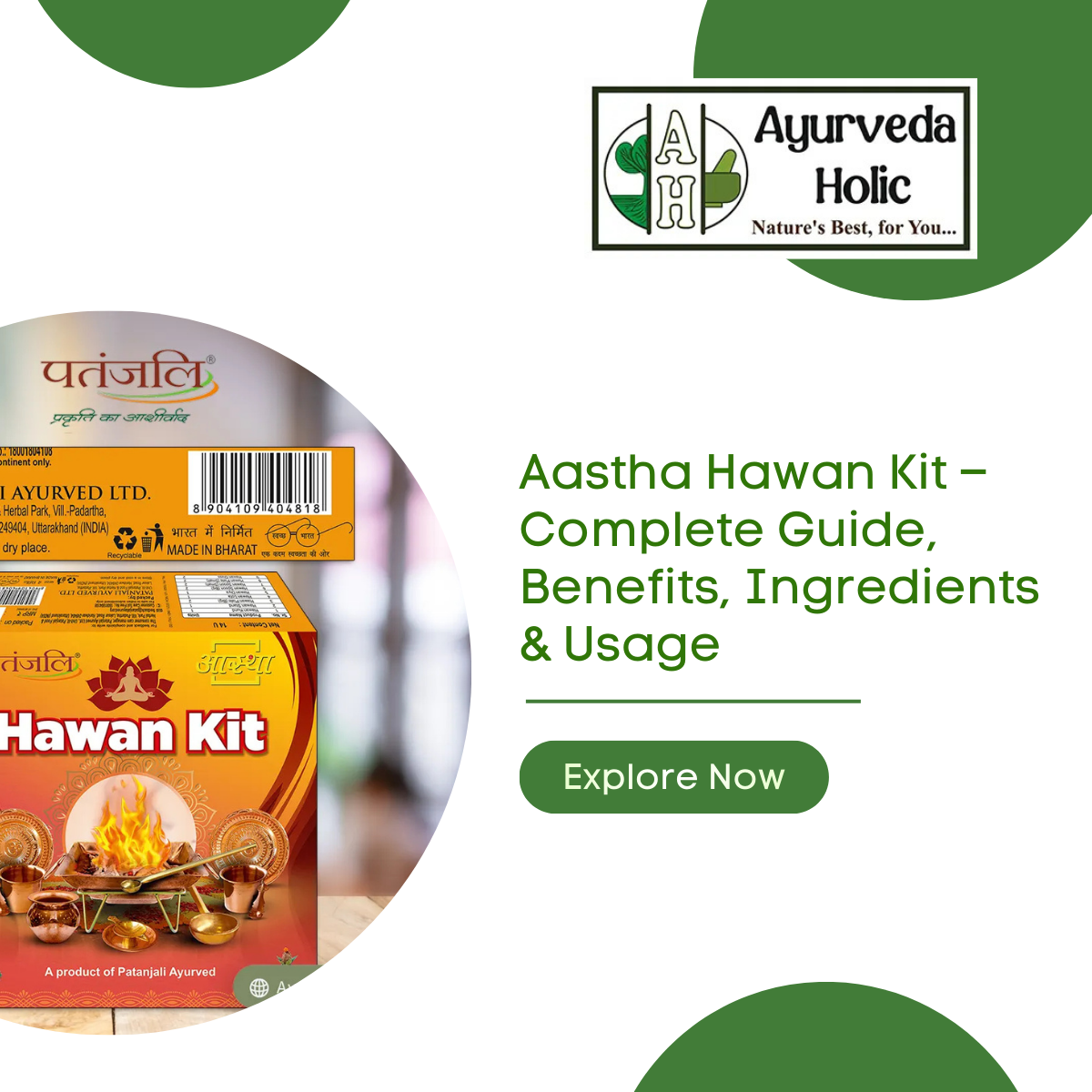
Aastha Hawan Kit – Complete Guide, Benefits, Ingredients & Usese
Have you ever wanted to perform hawan at home but felt confused about what to buy? You’re not alone. Many families want to keep this beautiful tradition alive but struggle with gathering all the right materials.
Hawan is a traditional Hindu fire ritual that brings peace and positive energy to your home. It’s been part of Indian culture for thousands of years. But let’s be honest—finding pure ghee, the right herbs, wooden sticks, and camphor from different shops takes time and effort that most of us don’t have.
That’s where the Aastha Hawan Kit comes in. Patanjali created this kit to make things simple. Everything you need comes in one box. No running around to multiple stores. No wondering if you forgot something important.
In this guide, you’ll learn exactly what’s in the kit, how to use it safely, and why so many families trust it for their spiritual practices.
What is Aastha Hawan Kit?
The Aastha Hawan Kit is a ready-made package from Patanjali that contains all the essential items for performing hawan at home. Think of it as a “complete meal kit” but for religious ceremonies.
Why Patanjali Made This Kit
Patanjali noticed that people wanted to do hawan regularly but faced two big problems:
Problem 1: They didn’t know what to buy. Which herbs? How much ghee? What type of wood?
Problem 2: Even if they knew, finding everything took hours and buying small quantities from different shops got expensive.
The kit solves both problems. Everything comes pre-measured and ready to use.
What Makes Hawan Special?
Hawan connects us to ancient traditions. Our grandparents did it. Their grandparents did it. The ritual uses fire as a way to purify your home and create a calm atmosphere.
When you burn natural ingredients like herbs, ghee, and wood together, it creates a pleasant fragrance. Many people find this smell relaxing and perfect for prayer or meditation.
Benefits of Aastha Hawan Kit
Saves Your Time and Money
Instead of visiting three different shops for ghee, herbs, and camphor, you get everything in one package. The kit costs less than buying items separately. Plus, you save on travel time and fuel.
Perfect for Busy Families
Modern life is hectic. Between work, kids, and daily responsibilities, who has time to hunt for hawan materials? Keep this kit at home, and you’re always ready for festivals, special occasions, or daily prayers.
Quality You Can Trust
Patanjali checks the quality of ingredients. The ghee is pure. The herbs are natural. You don’t have to worry about fake or mixed products.
Helps You Stay Connected to Culture
Many young people want to learn about their traditions but don’t know where to start. This kit makes it easy for parents to teach their children. The whole family can participate together.
Creates a Peaceful Home Environment
After hawan, your home smells wonderful. The natural fragrance from sandalwood, camphor, and herbs creates a calming atmosphere. Many families say their home feels more positive and peaceful after regular hawan.
Dosage and How to Use
How Much Should You Use?
For a regular home hawan (20-30 minutes), use:
- 2-3 spoons of hawan samagri each time you make an offering
- Mix with 1-2 spoons of ghee
- Make 15-20 offerings during the ceremony
- 2-3 pieces of camphor at the end
- 4-6 wooden sticks to keep the fire going
One kit lasts for about 8-12 ceremonies depending on how much you use.
Important: Talk to Your Doctor First
Please consult a doctor before starting regular hawan practice if you have:
- Breathing problems like asthma
- Allergies to smoke
- Heart conditions
- Any health concerns
This is especially important for daily or frequent ceremonies.
Simple Step-by-Step Guide
Before You Start:
- Choose a clean, open space with good air flow
- Open windows or do it on your balcony
- Place the hawan kund (fire vessel) on a heat-proof surface
- Keep a bucket of water nearby for safety
- Arrange all materials within reach
During Hawan:
- Light a small piece of camphor or cotton wick dipped in ghee
- Add wooden sticks slowly to build the fire
- Once fire is steady, take some hawan samagri
- Mix it with a little ghee
- Offer it to the fire while praying or chanting
- Repeat this 15-20 times
- At the end, offer camphor
After Hawan:
- Let the fire burn down naturally
- Don’t pour water on hot coals
- Wait for everything to cool completely
- The ash can be used for plants or kept for blessings
Precautions and Safety Tips
Special Care for Pregnant Women
If you’re pregnant or breastfeeding:
- Sit farther away from the fire
- Stay for only 15-20 minutes
- Make sure windows are wide open
- Leave immediately if you feel dizzy or uncomfortable
- Must consult your doctor before participating
This is very important, especially in the first three months of pregnancy.
Children Below 8 Years
Young kids have sensitive lungs. If your child is under 8:
- Keep them at least 10 feet away from the fire
- Watch them constantly
- Let them stay for only 10-15 minutes
- Must be under doctor’s supervision
- Remove them if they start coughing
Better to let small children help with preparation before you light the fire, then have them play in another room during the actual ceremony.
Fire Safety Rules (Very Important!)
Never do hawan in a closed room. Smoke buildup is dangerous. Always:
- Keep windows and doors open
- Have good air circulation
- Keep a fire extinguisher or water bucket ready
- Place the fire away from curtains, papers, or furniture
- Never leave the fire unattended
- Keep children and pets at a safe distance
The hawan kund gets extremely hot. Don’t touch it during or immediately after the ceremony. Wait at least 2-3 hours before handling.
If You Have Breathing Problems
People with asthma, bronchitis, or other lung conditions should:
- Keep their inhaler nearby
- Sit upwind from the smoke
- Consider doing hawan outdoors
- Stay for shorter periods
- Stop if you have trouble breathing
When in doubt, skip the ceremony or just participate in prayers without being near the smoke.
Uses of Aastha Hawan Kit
Daily Home Practice
Many families start their day with a short 15-minute hawan. It’s like morning prayer but with fire. People say it helps them feel calm and focused for the day ahead.
You don’t need to do elaborate ceremonies every day. A simple, quick hawan with basic mantras works perfectly fine.
Special Occasions and Festivals
The kit is perfect for:
- Diwali – The festival of lights
- Navratri – Nine nights of worship
- Birthdays – Seeking blessings for the coming year
- Housewarming – Purifying a new home
- Business opening – Starting with good energy
- Before exams – For students seeking clarity
Different Types of Hawan
For Health: Some people do hawan specifically praying for good health and long life.
For Prosperity: Business owners often perform hawan asking for success and growth.
For Peace: When the family feels stressed or there are conflicts, hawan can create a peaceful atmosphere.
For Knowledge: Students perform hawan before exams or at the start of the school year.
The same kit works for all these purposes. The main difference is in your intention and the mantras you chant.
Beyond Religion – For Peace of Mind
Even if you’re not very religious, the ritual itself can be calming. The repetitive actions, the focus on fire, the pleasant fragrance—all of this helps you relax and disconnect from daily stress.
Think of it like meditation with a structure. Many people find it easier than sitting quietly because your hands and mind stay engaged.
Ingredients of Aastha Hawan Kit
Main Mixture (Hawan Samagri)
This is the heart of the kit. It contains:
Sacred Herbs:
- Tulsi (holy basil) – Known for purifying properties
- Durva grass – Considered very auspicious
- Neem leaves – Used in Ayurvedic medicine
- Other medicinal plants
Natural Resins:
- Guggul – Creates a pleasant, earthy smell
- Benzoin – Adds to the fragrance
Grains and Seeds:
- Rice – Represents prosperity
- Barley – Traditional offering
- Sesame seeds – Symbol of fertility
Aromatic Stuff:
- Sandalwood powder – Creates a sweet, cooling fragrance
- Camphor – Burns bright and smells strong
Other Items:
- Jaggery or sugar – Represents sweetness in life
- Dried coconut pieces
- Raisins
- Various roots and bark
All these ingredients are natural and safe when burned properly with good ventilation.
Pure Cow Ghee
This is clarified butter made from cow’s milk. It’s the main fuel for your hawan fire. Good quality ghee:
- Burns cleanly without much smoke
- Smells pleasant when heated
- Is considered sacred in Hindu tradition
- Helps other materials burn completely
Warning: Cheap or fake ghee creates thick black smoke and bad smell. Always use pure ghee.
Camphor (Kapur)
Natural camphor creates a bright flame and strong, clean smell. It’s used at the end of hawan to conclude the ceremony. Camphor burns completely without leaving any residue behind.
Wooden Sticks (Samidha)
These are small pieces of wood from sacred trees like:
- Mango tree
- Peepal tree
- Banyan tree
The wood should be completely dry and cut to 4-6 inches long. These sticks keep your fire burning steadily.
Additional Items
Some kits also include:
- Cotton wicks for lighting
- Small copper or clay vessel (hawan kund)
- Instruction booklet with mantras
- Measuring spoons
Availability of Aastha Hawan Kit
Where Can You Buy It?
Patanjali Stores: Every Patanjali store keeps this kit. The staff can answer your questions and help you choose the right size.
Online Shopping:
- Patanjali official website
- Amazon India
- Flipkart
- Ayurvedaholic.com
Online is convenient if you don’t have a Patanjali store nearby. Just make sure you’re buying from trusted sellers.
Local Shops: Many grocery stores and puja shops also stock this kit. Your neighborhood kirana store might have it—just ask!
For Temples or Large Events: If you need many kits for a community event or temple, contact Patanjali distributors directly. They offer bulk orders at discount prices.
When to Buy
The kit sells faster during festival seasons like Diwali, Navratri, and Dussehra. If you know you’ll need it for a festival, buy it a week or two early to avoid last-minute shortages.
Price of Aastha Hawan Kit
How Much Does It Cost?
The price varies based on:
- Size of kit – Small packs cost less than large ones
- What’s included – Basic kits vs. kits with vessels and extra items
- Where you buy – Patanjali stores often have better prices than resellers
- Sales and offers – Discounts during festivals
Generally, the kit is very affordable. Most families find it much cheaper than buying all ingredients separately.
Is It Worth the Money?
Think about it this way: One kit gives you 8-12 ceremonies. If the kit costs ₹200-300 (example price), that’s only ₹20-30 per ceremony.
Compare that to:
- Buying small amounts of ghee, herbs, camphor separately
- Time and fuel spent visiting multiple shops
- Risk of buying wrong items
The convenience alone makes it worth the price.
Where You’ll Get the Best Deal
- Patanjali stores usually have the most competitive prices
- Online platforms sometimes offer cashback or discounts
- Bulk orders get you better rates per kit
Check a few options before buying, especially if you’re ordering many kits.
Caution: This Article is for Education Only
Please read this carefully:
This article helps you understand the Aastha Hawan Kit and how to use it. But remember:
- This is not medical advice. Always consult a real doctor about your health.
- This is not religious instruction from a priest. For detailed rituals, talk to knowledgeable religious teachers.
- Everyone is different. What works for one family may not work for another.
- Fire is dangerous. Take all safety precautions seriously.
Before you start:
- Talk to your doctor if you have any health conditions
- Learn proper fire safety
- Check if your building allows fire ceremonies
- Start slowly and carefully
You are responsible for your own safety and decisions. This article gives general information only.
Product details change. Always verify current price, contents, and availability with Patanjali or authorized sellers.
People Also Ask About Aastha Hawan Kit
What comes inside the Aastha Hawan Kit?
The kit includes hawan samagri (mixture of herbs, grains, and aromatic materials), pure cow ghee, natural camphor, wooden sticks, and sometimes cotton wicks and dhoop sticks. Some versions also include a small vessel and instruction booklet.
How many times can I use one kit?
One standard kit works for about 8-12 home ceremonies. It depends on how long your hawan is and how much material you use each time. Daily short rituals make the kit last longer.
Can I do hawan if I’m pregnant?
Yes, but with extra care. Sit away from the smoke, keep windows wide open, stay for only 15-20 minutes, and leave if you feel uncomfortable. Most importantly, talk to your doctor first, especially in early pregnancy.
Is this kit good for beginners?
Absolutely! That’s exactly who it’s made for. Everything comes together, the quantities are right, and many kits include instructions. Start with simple, short ceremonies and learn as you go.
What do I do with the ash after hawan?
Wait for it to cool completely (2-3 hours). Then you can use the ash for plants (it’s good fertilizer), apply a tiny bit on your forehead as a blessing, or keep it for religious purposes. Don’t throw it away while hot.
Does hawan really clean the air?
Traditional belief says yes, and some herbs do have natural properties that might help. However, too much smoke is bad for breathing. The key is using good ingredients and keeping windows open. The pleasant smell and peaceful feeling are definitely real.
How often should we do hawan at home?
It’s up to you! Some families do it daily for 15 minutes. Others do it weekly or just on special occasions and festivals. Start with whatever you can manage regularly. Even once a week is good.
Can people from other religions use this kit?
Hawan is a Hindu tradition, but people from different backgrounds sometimes explore it for meditation and cultural learning. If you do, approach it with respect and try to understand its meaning rather than just copying actions.
What’s the difference between hawan and just burning incense?
Hawan is a complete ceremony with fire, specific offerings, mantras, and ritual structure. Burning incense is simpler—just light a stick for fragrance. Hawan is more involved and has deeper religious meaning.
Where can I learn the mantras?
Check if your kit includes an instruction booklet. You can also find mantras on YouTube, ask a priest or knowledgeable family member, or look for books on Hindu worship. Start with simple mantras like “Om Swaha” if you’re new.
Is it safe in an apartment?
Yes, but be extra careful. Do it near open windows or on the balcony. Use less material to reduce smoke. Tell neighbors beforehand so they don’t worry. Make sure your building allows it. Some people use the balcony or do it less frequently.
What if the fire gets too big?
Stay calm. Stop adding material immediately. Don’t throw water (it creates steam and can crack your vessel). Let it burn down naturally or use sand to smother it if needed. This is why you should add materials slowly, little by little.
Can children help with hawan?
Yes, older children can learn and help. But kids under 8 need a doctor’s okay and should stay far from the fire. Always supervise children closely. Let small kids help before lighting the fire, then have them watch from a safe distance.
How do I know if my kit is genuine?
Buy from Patanjali stores or their official website. Check for proper Patanjali branding and packaging. The price should be reasonable—if it’s too cheap, be suspicious. Real hawan samagri should look natural with visible herbs and grains, not just powder.
What’s the best time to do hawan?
Traditionally, early morning or evening is considered ideal. But honestly, any time that works for you is fine. Many working people do it in the evening when the family is home together. Your sincere intention matters more than perfect timing.
Buy Here: Aastha Hawan Kit
Add comment