
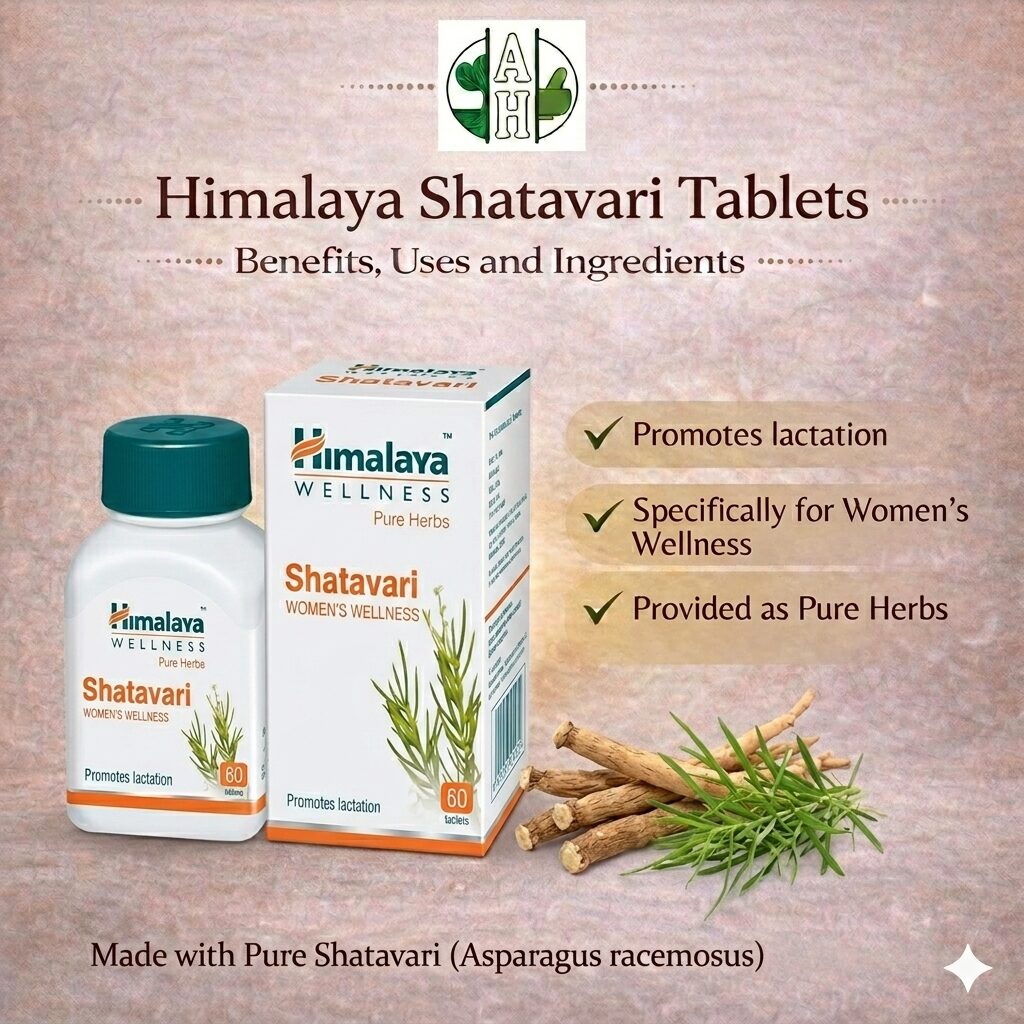
Himalaya Shatavari – Benefits, Uses and Ingredients
Ayurveda places special importance on reproductive and hormonal health, especially in women. The ancient texts describe Shatavari as the “queen of herbs” for female wellness, vitality, and nourishment. In modern life, hormonal imbalances, stress, irregular cycles, and nutritional deficiencies have become common, affecting overall health and quality of life.
Himalaya Shatavari is a standardized herbal formulation developed from the classical Ayurvedic herb Asparagus racemosus. It is widely used for hormonal balance, reproductive health, lactation support, and overall vitality. Unlike synthetic hormonal products, this herb works by supporting the body’s natural endocrine and reproductive systems.
Understanding Himalaya Shatavari requires exploring its Ayurvedic concept, herbal composition, traditional uses, and modern scientific perspective.
What Is Himalaya Shatavari?
Himalaya Shatavari is an herbal supplement made from the root extract of Shatavari (Asparagus racemosus). It is available in capsule or tablet form and is used as a Rasayana (rejuvenative) herb in Ayurveda.
Traditionally, Shatavari has been used to support female reproductive health, hormonal balance, fertility, lactation, and general strength. It is also beneficial for men as a general tonic for vitality and immunity.
Himalaya uses standardized extracts to ensure consistent potency and safety, making it suitable for daily use under guidance.
Ayurvedic Perspective of Shatavari
In Ayurveda, Shatavari is described as:
- Rasa (Taste): Madhura (sweet) and Tikta (bitter)
- Guna (Quality): Guru (heavy), Snigdha (unctuous)
- Virya (Potency): Sheeta (cooling)
- Vipaka (Post-digestive effect): Madhura
Shatavari primarily balances Vata and Pitta doshas, which are often responsible for menstrual irregularities, hormonal disturbances, and reproductive weakness.
It is classified as a Stanyajanana (galactagogue) and Rasayana (rejuvenator), meaning it supports milk production and tissue nourishment.
Active Ingredient in Himalaya Shatavari
Shatavari (Asparagus racemosus) Root Extract
Shatavari root contains bioactive compounds such as saponins (Shatavarins), flavonoids, alkaloids, and glycosides. These compounds contribute to its adaptogenic, hormonal balancing, antioxidant, and immune-supportive properties.
The standardized extract used in Himalaya Shatavari ensures a consistent level of active compounds for therapeutic effectiveness.
Himalaya Shatavari Benefits
1. Supports Female Reproductive Health
One of the primary benefits of Himalaya Shatavari is support for female reproductive health. It helps maintain hormonal balance and supports the reproductive system during different life stages.
2. Helps in Menstrual Irregularities
Shatavari is traditionally used to regulate menstrual cycles, reduce cramps, and support hormonal stability. Its cooling and nourishing properties help balance Pitta-related menstrual discomfort.
3. Supports Lactation in Nursing Mothers
Himalaya Shatavari is widely used as a natural galactagogue. It supports breast milk production and improves the nutritional quality of milk.
4. Helps in Hormonal Balance
The herb supports the endocrine system and helps maintain estrogen balance naturally. It is useful in hormonal fluctuations during puberty, pregnancy, and menopause.
5. Relieves Menopausal Symptoms
Shatavari is traditionally used to reduce hot flashes, mood swings, and dryness associated with menopause due to its phytoestrogenic and nourishing properties.
6. Improves Fertility Support
In Ayurveda, Shatavari is considered a fertility-supporting herb for women. It nourishes reproductive tissues and supports healthy ovulation and implantation when used under guidance.
7. Enhances General Strength and Vitality
Himalaya Shatavari acts as a Rasayana, improving energy levels, immunity, and overall physical strength.
8. Supports Digestive and Gastric Health
The cooling and soothing properties help protect the gastric lining and reduce acidity and gastric irritation.
9. Antioxidant and Anti-Stress Effects
Shatavari contains antioxidants that protect cells from oxidative stress. It also helps the body adapt to stress and supports mental and physical resilience.
10. Benefits for Men
Although primarily known for women, Shatavari is also used in men for improving vitality, immunity, and general reproductive health.
Himalaya Shatavari Uses
Himalaya Shatavari is commonly used in the following conditions:
- Menstrual irregularities
- Hormonal imbalance
- Lactation support
- Menopausal discomfort
- Fertility support (under medical supervision)
- Weakness and fatigue
- Gastric irritation and acidity
- Stress-related weakness
How to Use Himalaya Shatavari
Recommended Dosage
- Adults: 1–2 capsules twice daily after meals
- Or as directed by a physician
Dosage may vary depending on age, health condition, and individual constitution.
Best Time to Take
- After meals with warm water or milk
- Can be taken in the morning and evening for better absorption
Anupana (Adjuvant) Suggestions
- Warm Milk: For reproductive and hormonal nourishment
- Warm Water: For general health and digestion
- Honey: For improving absorption and energy support
Who Should Use Himalaya Shatavari
- Women with hormonal imbalance
- Nursing mothers needing lactation support
- Women with menstrual discomfort
- Individuals with weakness and fatigue
- People with stress-related health issues
- Elderly individuals needing rejuvenation support
Contraindications and Precautions
Use With Medical Advice If
- Pregnant or breastfeeding (although traditionally used, supervision is advised)
- Hormone-sensitive conditions
- Chronic kidney or liver disorders
- Taking hormonal medications or contraceptives
Possible Side Effects
Himalaya Shatavari is generally safe when taken as recommended. Rare side effects may include:
- Mild digestive upset
- Allergic reactions in sensitive individuals
- Weight gain with excessive use (due to nourishing properties)
Scientific Perspective on Shatavari
Modern research has shown that Asparagus racemosus contains phytoestrogenic compounds and antioxidants that support hormonal balance and reproductive health. Studies also suggest its adaptogenic and immunomodulatory properties.
However, clinical outcomes vary, and it should be used as a supportive herbal supplement rather than a standalone treatment.
Quality and Standardization
The effectiveness of Shatavari supplements depends on:
- Authentic root extraction
- Standardized saponin content
- Proper manufacturing practices
- Absence of contaminants
Himalaya is known for standardized herbal extracts and quality control processes.
Frequently Asked Questions
Is Himalaya Shatavari safe for daily use?
Yes, when taken as directed. Long-term use should be guided by a healthcare professional.
Can Himalaya Shatavari increase fertility?
It supports reproductive health but should not be considered a fertility medicine. Consult a specialist for fertility concerns.
Can men take Himalaya Shatavari?
Yes, it can be used as a general tonic for vitality and immunity.
How long does it take to show results?
Some benefits may be noticed within a few weeks, while hormonal balance may take longer.
Can it be taken with other supplements?
Generally safe, but consult a physician if taking hormonal or chronic medications.
Conclusion
Himalaya Shatavari is a classical Ayurvedic herb formulated in a modern standardized form to support hormonal balance, reproductive health, lactation, and general vitality. Its nourishing, cooling, and rejuvenating properties make it one of the most respected herbs for women’s health in Ayurveda.
In today’s lifestyle-driven hormonal challenges, Shatavari offers gentle and holistic support without suppressing natural bodily functions. When used responsibly with dietary discipline and medical guidance, Himalaya Shatavari can play a valuable role in maintaining hormonal harmony and overall wellness.
Medical Disclaimer:
This article is for informational purposes only and is not intended to diagnose, treat, cure, or prevent any disease. Always consult a qualified healthcare professional before starting any herbal supplement, especially during pregnancy, breastfeeding, or chronic illness.

Add comment