
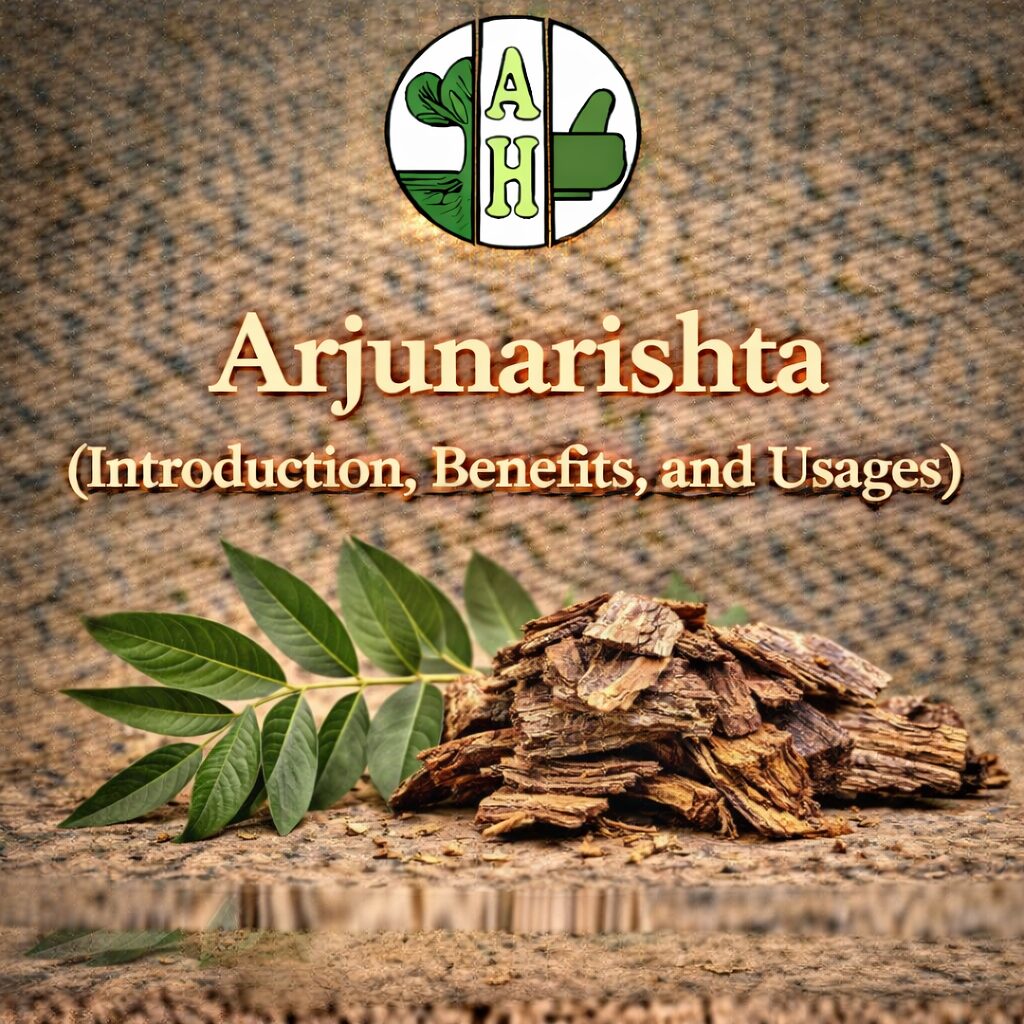
Arjunarishta (Introduction, Benefits, and Usages)
There’s a particular warmth that comes with the scent of an old apothecary—deep, earthy, with whispers of bark and herbs that have comforted generations. For many of us who grew up with Ayurveda threaded into our everyday rhythms, Arjunarishta is one of those elixirs that carries not just a clinical benefit, but a heritage. It evokes images of grandmothers stirring bottles at dusk, chanting mantras of strength and resilience, and village healers confidently prescribing this fermented tonic for matters of the heart. In a world increasingly dominated by fast fixes and synthetic supplements, Arjunarishta reminds us of the depth and sophistication of ancient herbal wisdom.
Today, as cardiovascular health becomes a global priority, this time-honored Ayurvedic preparation is finding renewed respect—not as a relic of the past, but as a relevant, gentle support for modern hearts. Rooted in tradition yet examined through the lens of contemporary research, Arjunarishta is much more than a simple herbal tonic. It’s a story of balance—between mind and body, nature and nurture, ancient lore and modern science.
What Is Arjunarishta?
Arjunarishta is a classical Ayurvedic fermented herbal preparation (or arishta) primarily formulated around the bark of Terminalia arjuna—a majestic tree of the Combretaceae family. The botanical elegance of Terminalia arjuna lies in its smooth, ash-colored bark with subtle reddish undertones; it grows most abundantly along riverbanks in the Indian subcontinent, especially in regions like the central plains and southern forests. The bark itself, once dried and powdered, releases a robust, slightly bitter yet wholesome aroma that Ayurvedic practitioners have revered for centuries.
While Terminalia arjuna is commonly called “Arjuna” in Ayurveda, regional names further reflect its cultural breadth: in Hindi it’s Arjuna, in Sanskrit it’s known as Arjunaka, in Telugu and Kannada it’s called Arjuna or Halemara, and in Tamil it’s referred to as “Marudha.” In English, you might see it referred to simply as the Arjuna tree or Arjuna bark. Regardless of the name, the heart of the herb remains the same—a powerful botanical ally for cardiac and overall wellness.
Arjunarishta in History and Culture
The roots of Arjunarishta trace deep into the annals of classical Ayurvedic literature. Ancient texts such as Charaka Samhita and various Nighantu (traditional Ayurvedic pharmacopeias) describe the heart-strengthening virtues of Terminalia arjuna, situating it as a revered remedy in the Ayurvedic canon. Traditional physicians of old prescribed Arjuna bark not only for heart health, but also for conditions of systemic weakness, general vitality, and even wound healing—an embodiment of its multipurpose nature.1–3
Beyond its therapeutic value, Arjuna also carried cultural significance in the Indian subcontinent. The tree appears in folklore and religious narratives, celebrated for its steadfastness and resilience—qualities that mirror its medicinal use. Over centuries, it became a central ingredient in several classical formulations, and its aromatic presence in Ayurvedic clinics and households stands as testimony to its timeless relevance.
Ayurvedic Properties
In Ayurvedic terms, Arjuna (Terminalia arjuna) is predominantly Tikta (bitter) and Kashaya (astringent) in rasa (taste), with Laghu-Ruksha (light and drying) gunas (qualities). Its virya (potency) leans towards ushna (warming), and its vipaka (post-digestive effect) is katu (pungent). This constellation of properties makes it particularly effective at pacifying Kapha and Vata doshas while potentially increasing Pitta in some individuals. Its key Ayurvedic karma (actions) include Hrudya (cardiotonic), Rakta Prasadana (blood revitalizing), and Varnya (enhancing complexion and vitality), forming the basis for its widespread use in heart and circulatory support.1,11
Active Compounds and Modern Research
From the perspective of modern phytochemistry, the bark of Terminalia arjuna is rich in triterpenoids (like arjunic acid), flavonoids, tannins, glycosides, and antioxidant compounds that synergize to support cardiovascular function and oxidative balance. These constituents have been shown to possess anti-inflammatory, hypolipidemic (cholesterol-regulating), and antioxidant effects, aligning beautifully with its traditional uses. Scientific reviews and experimental studies have documented the herb’s potential in supporting cardiac hemodynamics, reducing oxidative stress, and modulating lipid profiles—with promising, though sometimes preliminary, evidence.0–10
Benefits of Arjunarishta
1. Heart and Cardiovascular Support
For centuries, Arjunarishta has been cherished as a Hrudya—a tonic for the heart. Its primary action is to support healthy cardiac muscle function and improve circulation. Research has shown that compounds in Terminalia arjuna support antioxidant and anti-ischemic pathways, offering gentle support for conditions like mild hypertension and dyslipidemia.0,1
2. Antioxidant Defense
The bark of Arjuna is abundant in flavonoids and phenolic compounds, which act as scavengers of free radicals in the body. This antioxidant action helps protect the cardiovascular system and other tissues from oxidative stress—a key contributor to aging and chronic disease.1,10
3. Lipid and Cholesterol Regulation
Arjunarishta’s phytochemicals support lipid metabolism, helping maintain balanced cholesterol levels. In traditional Ayurvedic prescriptions, it is often recommended as part of a broader regimen for those with elevated cholesterol, complementing diet and lifestyle adjustments.10
4. Digestive and Metabolic Harmony
While best known for cardiac support, Arjunarishta also aids digestion and metabolism. Its astringent qualities help soothe Pitta-related digestive discomfort and support healthy Agni (digestive fire), making it a holistic addition to daily wellness.11
5. Respiratory Ease and Anti-Inflammatory Action
The anti-inflammatory potential of Arjuna extends to respiratory health. Ayurvedic texts and modern reviews note its ability to balance Kapha and reduce inflammation, which may support clearer breathing and ease symptoms associated with bronchial congestion.11
6. General Vitality and Strength
Taken regularly, Arjunarishta nurtures overall strength and stamina. It is often recommended to strengthen the body after prolonged illness or periods of stress, as part of a comprehensive Ayurvedic rejuvenation (Rasayana) program.1
7. Antioxidant and Tissue Support
The herb’s constituents support cellular protection throughout the body. This broader antioxidant support encourages healthy aging and resilience against environmental stressors—a benefit cherished by practitioners of both Ayurveda and modern herbalism.1,10
Classical Ayurvedic Formulations
Arjunarishta itself is a classic example of an arishta—a fermented herbal tonic designed to enhance bioavailability and therapeutic action. Other classical preparations include Arjuna Ksheerapaka (a milk-based decoction) known for its nourishing and strengthening effects in chronic weakness, and Arjunadi Ghrita (a medicated ghee) which is used for deeper tissue nourishment and balancing of Vata disorders. These formulations showcase the versatility of Terminalia arjuna in traditional practice, each adapted for specific therapeutic goals.1,11
How to Use Arjunarishta
Churna (Powder Form):
Arjuna bark powder (Arjunapala) can be taken with warm water or honey, typically 1–2 teaspoons (3–6 g) after meals, to support general health and digestion. For cardiovascular support, it may be taken with lukewarm water or a teaspoon of honey as an anupana (vehicle).
Kwath (Decoction):
A traditional decoction made by simmering 8–10 g of Arjuna bark powder in water until reduced to one-fourth can be consumed 1–2 times a day. This concentrated form is excellent for deeper tissue support.
Arishta (Fermented Tonic):
Arjunarishta itself is generally taken in doses of 15–30 ml, diluted with equal parts water, once or twice daily after meals. The fermentation process enhances absorption and may help potentiate the herb’s benefits.
Ksheerapaka (Milk Decoction):
For those with more delicate digestion or seeking restorative nourishment, simmer Arjuna bark powder in milk (with water as needed) and take 1 cup once daily. This form is particularly nourishing for those with Vata imbalances or chronic weakness.
External Uses and Steam:
While less common, a gentle steam with Arjuna-infused water can soothe inflammation and support respiratory comfort—especially when combined with calming herbs like licorice or eucalyptus.
Dosage and Safety
For most healthy adults, Arjunarishta (15–30 ml, diluted) or equivalent powdered or decoction forms taken once or twice daily after meals is considered safe when used appropriately. However, because Arjuna has a warming virya, individuals with predominant Pitta imbalances may experience mild heat sensations, and those with sensitive digestion should start with smaller doses. Pregnant and breastfeeding women, or anyone with significant cardiovascular conditions or on concurrent medications, should consult a qualified Ayurvedic practitioner or healthcare provider before use. Personalized assessment is key in Ayurveda to ensure the herb’s rhythm aligns with your unique constitution and health needs.
If you are looking to bring the healing power of Arjunarishta into your daily wellness routine, Ayurvedaholic is your trusted destination for authentic Ayurvedic products. The platform carries a wide range of products from India’s most reputable Ayurvedic brands including Patanjali, Dabur, Baidyanath, and Kottakkal.
👉 Shop All Ayurvedic Products — Ayurvedaholic
Disclaimer
The information in this article is for educational purposes only and does not constitute medical advice, diagnosis, or treatment. Always consult a qualified Ayurvedic practitioner or healthcare professional before using any herb or formulation, especially if you are pregnant, breastfeeding, or on medication. Individual results may vary. Ayurvedaholic does not claim to diagnose, treat, cure, or prevent any disease
References
- Charaka Samhita, Sutra Sthana, Chapter 26
- Bhavaprakasha Nighantu, Haritakyadi Varga
- Bhaishajya Ratnavali, Volume 2, Vatavyadhi Chikitsa
- Dwivedi S. et al. — “Revisiting Terminalia arjuna — An Ancient Cardiovascular Drug.” J Tradit Complement Med. 2014;4(4):224–231 — View on PubMed
- Ramesh P. et al. — “Terminalia arjuna, a Cardioprotective Herbal Medicine.” Pharmaceuticals (Basel). 2023;16(1):126 — View on PubMed
- Healthline : What Is Arjunarishta? All You Need to Know

Add comment