Brahmi benefits for the brain and nervous system have been validated by a growing body of clinical research — making Bacopa monnieri one of the most scientifically studied Ayurvedic herbs in the world. Randomised controlled trials confirm Brahmi improves memory acquisition, information retention, attention, and cognitive processing speed. Ayurveda has known this for over 3,000 years, classifying Brahmi as the foremost Medhya Rasayana — a cognitive rejuvenator. See Wikipedia: Bacopa monnieri. For related cognitive herbs, explore Ashwagandha and Shankhpushpi.
What Is Brahmi? A Complete Introduction
Origin and History of Brahmi
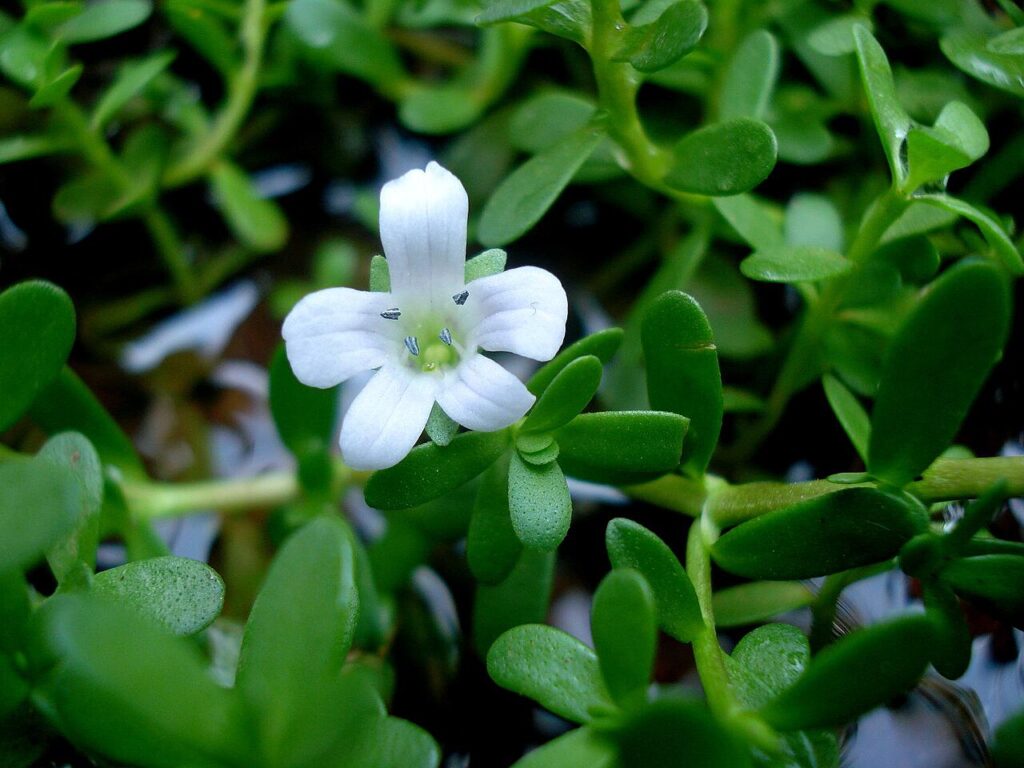
Brahmi (Bacopa monnieri) is a small creeping herb native to wetlands, marshes, and riverbanks across the Indian subcontinent, and found in tropical and subtropical environments worldwide. Its name derives from “Brahma” — the Hindu creator deity — reflecting the high regard ancient Indian scholars had for this plant’s capacity to enhance intellect and memory. The Charaka Samhita, Sushruta Samhita, and Ashtanga Hridayam all describe Brahmi as a premier Medhya (intellect-promoting) and Rasayana (rejuvenating) herb.
Ayurvedic scholars and students were traditionally given Brahmi preparations to enhance their capacity for learning and memorising vast texts. The herb has been used continuously in Indian traditional medicine for over 3,000 years — one of the longest unbroken clinical records of any herbal medicine.

Dabur Brahmi Bati (K.s.m.a.k.yukt) 10 Tablets
Original price was: ₹715.00.₹499.00Current price is: ₹499.00.
Dabur Brahmi Bati is a classical Ayurvedic Brahmi Vati – a gold-containing (Swarna Yukt) formulation built around Brahmi.
- Traditionally used to support memory, a calm mind and the nervous system
- Pack: 10 tablets – genuine, brand-sealed Dabur pack
- Contains processed minerals – take only on a doctor’s advice
In stock
Description
Dabur Brahmi Bati – Classical Brahmi Vati with Gold (10 Tablets)
Brahmi Vati (Brahmi Bati) is a classical Ayurvedic formulation described in Bhaishajya Ratnavali. It combines Brahmi – Ayurveda’s best-known herb for the mind – with Medhya herbs and classical mineral ingredients, including Swarna Bhasma in the Swarna Yukt version. Dabur’s pack is labelled K.S.M.A.K. Yukt, indicating its classical mineral ingredients.
Brahmi Vati Uses (Traditional)
- Supports memory, concentration and intellect
- Supports a calm mind and restful sleep
- Traditionally used to support the nervous system
An Ayurvedic doctor decides whether it suits you. It is not a substitute for medical treatment.
Ingredients
- Brahmi, Shankhpushpi, Vacha and other Medhya herbs
- Swarna Bhasma, Mukta Pishti and other classical mineral ingredients
See the pack for the exact composition.
Dosage – How to Take
- Usual guidance: 1 tablet once or twice a day with milk or water, or as prescribed
- Take only the dose and for the duration your Ayurvedic doctor advises
Side Effects & Precautions
- Take only the dose prescribed by a registered Ayurvedic practitioner. Do not exceed it.
- Not for pregnant or breastfeeding women or children.
- People with liver, kidney or heart conditions, high blood pressure or diabetes, or who take regular medicines, must consult their doctor before use
- Stop use and see a doctor if you notice tremors, dizziness, stomach upset or an allergic reaction
- Keep out of reach of children. Store in a cool, dry place.
Other Ayurvedic Products for Memory
Customers who view this product often also look at:
- Dhootapapeshwar Brahmi Vati Buddhivardhak Tablet – 60 Tablets – Brahmi Vati (Buddhivardhak)
- Kottakkal Saraswatarishtam 450 ml – Brahmi-based Arishta
- Patanjali Divya Memorygrit Tablet 20 Tablets – Herbal tablets for memory
- Kottakkal Manasamitra Vatakam (100) tabs – Medhya Rasayana tablets
डाबर ब्राह्मी वटी – हिंदी में जानकारी
डाबर ब्राह्मी वटी ब्राह्मी आधारित एक शास्त्रीय आयुर्वेदिक औषधि है, जिसमें स्वर्ण भस्म और अन्य खनिज घटक होते हैं। आयुर्वेद में इसे स्मरण शक्ति, शांत मन और तंत्रिका तंत्र के सहयोग के लिए उपयोग किया जाता है। इसका सेवन केवल चिकित्सक की सलाह से ही करें।
Product Details
| Brand | Dabur |
| Form | Tablet |
| Pack size | 10 tablets |
| Key ingredients | Brahmi, Shankhpushpi, Vacha, Swarna Bhasma |
| Category | Vati and Gutika, Ayurveda |
| Country of origin | India |
Why Buy from Ayurveda Holic?
- Genuine, brand-sealed Dabur pack, with batch number and expiry printed on the label
- Dispatch in 1–3 days across India – see our shipping policy
- Easy returns on damaged or wrong items – see our refund and returns policy
- Browse all Dabur products and our Ayurveda Guides A–Z
Frequently Asked Questions
What is Dabur Brahmi Bati?
It is Dabur’s classical Brahmi Vati, a gold-containing formulation built around Brahmi, traditionally used for memory and the nervous system.
How should I take Brahmi Bati?
Usually 1 tablet once or twice a day with milk or water – only as your Ayurvedic doctor prescribes.
Is it the same as herbal Brahmi tablets?
No. Classical Brahmi Vati also contains mineral ingredients such as Swarna Bhasma, so it should be taken on medical advice.
Who should not take it?
Pregnant or breastfeeding women and children should not take it without medical advice.
Disclaimer: Dabur Brahmi Bati is a classical Ayurvedic medicine containing processed minerals. The information on this page describes its traditional use in Ayurveda and is not medical advice. It is not intended to diagnose, treat, cure or prevent any disease. Use only under the supervision of a registered Ayurvedic practitioner.
Additional information
| Weight | 0.1 kg |
|---|---|
| Dimensions | 13 × 7 × 7 cm |
You may also like…
-
Sale!

Dabur Stresscom Capsules – 120 N
Original price was: ₹948.00.₹850.00Current price is: ₹850.00. -
Sale!
Dabur Ashwagandha Tablets 60 Tablets
Original price was: ₹240.00.₹190.00Current price is: ₹190.00.


Related products
-
Sale!
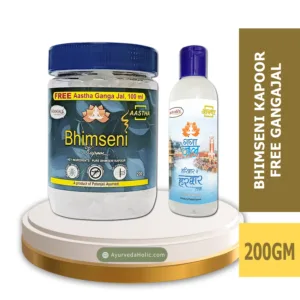
Patanjali Aastha Bhimseni Kapoor Free Gangajal 200 g
Original price was: ₹500.00.₹460.00Current price is: ₹460.00. -
Sale!
-
Sale!
-
Sale!
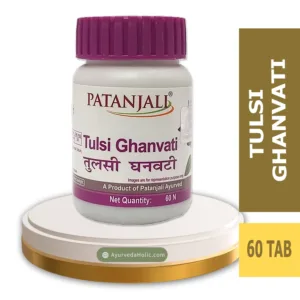
Patanjali Tulsi Ghanvati 60 Tablets
Original price was: ₹110.00.₹107.00Current price is: ₹107.00.
Key Compounds and Nutritional Profile
Brahmi’s primary bioactive compounds are bacosides — specifically bacosides A and B (a complex of dammarane-type triterpenoid saponins). These are the compounds standardised in therapeutic Brahmi extracts (typically 20–55% bacoside content). Bacosides have documented effects on synaptic neurotransmission, antioxidant protection of neurons, protein kinase activity relevant to memory consolidation, and cholinesterase inhibition. Additional compounds include alkaloids (brahmine, herpestine), flavonoids (luteolin, apigenin), and cucurbitacins. See Wikipedia: Bacoside.
Top Health Benefits of Brahmi
Brahmi Benefits for Immunity and Overall Health
Brahmi’s cognitive benefits are its most extensively studied application. A landmark double-blind RCT published in Psychopharmacology found Brahmi extract (300 mg daily for 12 weeks) significantly improved verbal learning rate, memory consolidation, and delayed recall compared to placebo. Meta-analyses of multiple RCTs confirm Brahmi consistently improves information processing speed and memory in healthy adults, with effects strongest for learning rate and memory consolidation — the aspects most relevant to students and professionals.
Brahmi is also a genuine adaptogen — it reduces cortisol levels, improves stress resilience, and reduces anxiety through GABAergic modulation. This anti-anxiety effect works synergistically with cognitive enhancement: stress is one of the most significant impairments to memory and learning.
Brahmi for Skin, Hair, and Beauty
Brahmi oil (Brahmi leaves infused in sesame or coconut oil) is one of Ayurveda’s most important scalp treatments. Applied to the scalp and hair, it reduces stress-related hair loss (through its adaptogenic effects), nourishes hair follicles with bacosides and flavonoids, and promotes hair growth. Brahmi’s anti-inflammatory compounds reduce scalp inflammation associated with dandruff and seborrhoea. For skin, Brahmi’s antioxidant activity protects against UV-induced oxidative damage, and the flavonoids have documented wound-healing and anti-inflammatory skin effects.
Medicinal Properties of Brahmi
How Brahmi Works as a Natural Remedy
Brahmi’s cognitive mechanism is multi-modal. Bacosides enhance synaptic plasticity by upregulating BDNF (brain-derived neurotrophic factor) and activating kinase activity involved in memory consolidation. They inhibit acetylcholinesterase — increasing acetylcholine availability in the brain, the neurotransmitter central to learning and memory (the same mechanism as Alzheimer’s drugs like donepezil). Brahmi also reduces lipid peroxidation in the brain, protecting neurons from oxidative damage. The anti-anxiety effects involve GABA-A receptor modulation, reducing neuronal excitability without sedation.
Brahmi in Ayurveda and Traditional Medicine
In Ayurveda, Brahmi is the foremost Medhya Rasayana — its primary action is on Majja Dhatu (nervous tissue) and the mind. It reduces Vata in the nervous system, reduces Pitta (inflammation, irritability), and is specific for Unmada (mental disease), Apasmara (epilepsy), and enhancing Dhi (learning), Dhriti (retention), and Smriti (memory) — the three components of mental function in Ayurvedic psychology. Brahmi Ghrita (Brahmi in ghee) is a classical formulation for cognitive conditions. Pairs with Ashwagandha for stress-related cognitive decline and with Shankhpushpi for comprehensive brain tonic support.
How to Use Brahmi — Practical Usages
Brahmi in Food, Tea, and Cooking
Fresh Brahmi leaves can be eaten raw or juiced — 5–10 ml of fresh leaf juice daily is a traditional preparation. Brahmi tea (dried leaves or powder steeped in hot water) is a mild preparation for daily use. Brahmi with warm milk and honey is the classic evening preparation — the milk’s fat improves absorption of the fat-soluble bacosides, and the warming properties of milk align with Ayurvedic principles of enhancing Ojas (vital essence). Brahmi chutney (fresh leaves with coconut, cumin, and lemon) is a South Indian traditional preparation.
Brahmi as a Supplement or Topical Application
Standardised Brahmi extract (300–600 mg daily, standardised to 20–55% bacosides) is the form used in clinical cognitive trials. Take with a meal containing fat for best absorption — bacosides are fat-soluble. Effects on memory and learning accumulate over 8–12 weeks of consistent use. Don’t expect immediate results like stimulants — Brahmi works through gradual synaptic and structural brain changes. Brahmi oil for scalp: massage into scalp, leave for 30–60 minutes, then wash — use 2–3 times weekly for hair health. Available as commercial Brahmi oil or homemade by infusing leaves in warm sesame oil.
Side Effects and Precautions of Brahmi
- Digestive upset: nausea, cramping, and diarrhoea are the most common side effects — take with food to minimise; start at a lower dose
- Bradycardia: Brahmi may slow heart rate — use with caution if on heart rate-lowering medications
- Pregnancy and breastfeeding: insufficient safety data — avoid during pregnancy
- Thyroid medications: Brahmi may increase thyroid hormone levels — use with caution if on thyroid medication; monitor thyroid function
Frequently Asked Questions About Brahmi
What are the main Brahmi benefits for health?
Key Brahmi benefits: improved memory acquisition and retention (multiple RCTs), enhanced learning rate and cognitive processing speed, reduced anxiety through GABAergic modulation, adaptogenic stress reduction and cortisol lowering, neuroprotection through antioxidant and anti-inflammatory activity, acetylcholinesterase inhibition supporting cholinergic neurotransmission, and scalp and hair health through anti-inflammatory and follicle-nourishing effects.
How long does Brahmi take to work?
Most clinical trials showing cognitive benefit used 8–12 weeks of consistent daily supplementation. Some users notice reduced anxiety and improved mood within 2–4 weeks. The memory and learning improvements accumulate gradually as bacosides rebuild synaptic connections and increase BDNF levels — this isn’t a fast-acting stimulant, it’s a slow-acting neural remodeller. Give it at least 3 months before assessing full cognitive benefit.
Can Brahmi help with anxiety?
Yes. Multiple clinical trials confirm Brahmi reduces anxiety through GABAergic modulation — it increases GABA activity in the brain, reducing neuronal excitability without causing sedation (unlike benzodiazepines). It also reduces cortisol levels, addressing the physiological stress response. The combination of cognitive enhancement and anxiety reduction makes Brahmi particularly effective for performance anxiety — exam stress, public speaking, high-pressure work — where both clear thinking and calm matter.
How to use Brahmi in traditional medicine?
Brahmi in traditional medicine is used as Swaras (fresh juice, 5–10 ml daily), Kwatha (decoction of dried herb), Churna (powder, 3–6g with warm milk), or Ghrita (Brahmi Ghrita — in medicated ghee). Traditional Ayurvedic protocols often combine it with Shankhpushpi and Ashwagandha in formulations like Saraswatarishta for comprehensive cognitive and nervous system support. For children’s cognitive development, Brahmi with honey is a traditional daily supplement.
What is the difference between Brahmi and Gotu Kola?
Both herbs are called “Brahmi” in different Indian regions — creating persistent confusion. Bacopa monnieri (Brahmi proper) is a small aquatic herb with white flowers, primary action on memory and learning. Centella asiatica (Gotu Kola, also called Brahmi in South India) is a different herb with primary actions on wound healing, connective tissue repair, and venous insufficiency, though it also has cognitive effects. Most clinical cognitive trials use Bacopa monnieri. When buying supplements, check the Latin name to be sure which herb you’re getting.
Brahmi benefits are well-established and uniquely relevant for our cognitively demanding modern life. Whether you’re a student, professional, or older adult concerned about memory, Brahmi is one of the few herbal medicines with genuine RCT-level evidence for cognitive improvement. Take 300–600 mg of standardised extract daily with food, commit to 3 months, and give your brain the oldest Ayurvedic brain tonic in recorded history.