
Chitrak (Introduction, Benefits, and Usages)
Chitrak benefits are built around one of the most pharmacologically active compounds in Ayurvedic medicine — plumbagin, a hydroxynaphthoquinone that makes Plumbago zeylanica simultaneously one of Ayurveda’s most powerful digestive herbs and one of modern pharmacology’s most intensely researched natural compounds for anti-cancer applications. Chitrak isn’t a gentle herb. It’s a potent medicinal plant that Ayurvedic physicians have used precisely and carefully for over 2,000 years for conditions where mild herbs simply don’t reach. See Wikipedia: Plumbago zeylanica. For complementary digestive fire herbs, explore Chitrak Haritaki and Ginger.
What Is Chitrak? A Complete Introduction
Origin and History of Chitrak
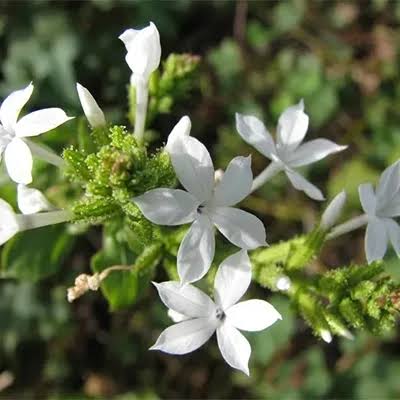
Chitrak (Plumbago zeylanica) is a perennial shrub with white flowers found throughout tropical and subtropical India, Sri Lanka, Southeast Asia, Africa, and the Americas. The name “Plumbago” comes from the Latin for lead — referring to the plant’s traditional use (in some European Plumbago species) for treating lead poisoning, not to any lead content. The root bark is the primary medicinal part in Ayurveda, harvested from 2–3 year old plants and dried for use in decoctions, powders, and medicated oils.
Key Compounds and Nutritional Profile
Plumbagin (5-hydroxy-2-methyl-1,4-naphthoquinone) is Chitrak’s defining compound — present at 0.5–1.5% in the root bark. It’s a naturally occurring naphthoquinone similar in structure to compounds in carnivorous plants (Drosera species) and certain fungi, reflecting convergent evolution of defensive antimicrobial chemistry. Plumbagin is intensely irritating to mucous membranes at the concentrations in fresh root — this irritant property is the direct mechanism of Chitrak’s digestive stimulant action. See Wikipedia: Plumbagin.
Top Health Benefits of Chitrak
Chitrak Benefits for Immunity and Overall Health
Plumbagin has shown potent immunomodulatory effects in research — it reduces excessive inflammatory responses through NF-kB inhibition while enhancing specific immune surveillance functions. The antimicrobial spectrum of plumbagin covers bacteria, fungi, and parasites — directly supporting immune defence against a range of pathogens. Anti-cancer research on plumbagin is among the most extensive for any single plant compound — with documented activity against breast, prostate, lung, colon, and liver cancer cell lines through multiple mechanisms including apoptosis induction, autophagy, and cancer stem cell inhibition. These are research findings, not clinical outcomes — but the mechanistic basis is compelling.
Chitrak for Skin, Hair, and Beauty
Chitrak’s primary skin applications are external and antimicrobial — the purified root paste has been used in Ayurveda for skin infections, fungal conditions, parasitic skin diseases, and alopecia areata (patchy hair loss with an inflammatory/autoimmune component). The irritant properties of concentrated plumbagin can also stimulate circulation and hair follicle activity when applied carefully to the scalp — but this requires Ayurvedic expertise, as misapplication causes skin damage. Don’t self-apply raw Chitrak to skin.
Medicinal Properties of Chitrak
How Chitrak Works as a Natural Remedy
Chitrak stimulates digestion through a direct irritant mechanism: plumbagin’s irritation of the gastric and intestinal mucosa reflexively triggers increased HCl secretion, digestive enzyme production, bile flow stimulation, and enhanced gastrointestinal motility. This is why Chitrak works in cases of profound digestive weakness (Mandagni) where herbs like ginger and black pepper are insufficient — its mechanism is more forceful. What’s important to understand is that this isn’t a gentle stimulation — it’s a strong medicinal action requiring appropriate dosing and duration limits.
For malabsorption syndrome (Grahani in Ayurveda), multiple clinical studies from Ayurvedic institutions confirm that Chitrak-based formulations (particularly Chitrakadi Vati) significantly improve absorption parameters, reduce abnormal bowel symptoms, and restore normal intestinal function — with results comparable to conventional IBS treatments in some trials.
Chitrak in Ayurveda and Traditional Medicine
In classical texts including Charaka Samhita and Sushruta Samhita, Chitrak (Chitraka) is described as one of the most powerful Deepana (digestive fire-kindling) and Pachana (digestant) herbs — used specifically for conditions of profound Mandagni (weak digestive fire) where standard dietary and herbal measures fail. Classical indications include Grahani (malabsorption), Udara roga (abdominal conditions), Arsha (haemorrhoids), Krimi (intestinal parasites), and obesity. It’s classified as Ushna (hot), Tikshna (sharp), and Vata-Kapha reducing — with specific contraindication in Pitta conditions and pregnancy.
How to Use Chitrak — Practical Usages
Chitrak in Food, Tea, and Cooking
Chitrak isn’t a culinary herb and shouldn’t be prepared as a simple tea or food ingredient. It requires pharmaceutical processing (Shodhana — purification) to reduce plumbagin toxicity to safe therapeutic levels. The purified root powder (Shuddha Chitraka) can be taken as: 250–500 mg twice daily with honey or warm water under Ayurvedic supervision. This is not a herb to dose experimentally.
Chitrak as a Supplement or Topical Application
The safest and most practical way to use Chitrak is through classical compound formulations — particularly Chitrakadi Vati and Chitrak Haritaki — from GMP-certified Ayurvedic manufacturers. These compounds use purified Chitrak in carefully balanced proportions with other herbs that moderate its intensity and direct its action. Standalone Chitrak supplements should only be used under qualified Ayurvedic physician guidance with appropriate monitoring.
Side Effects and Precautions of Chitrak
- Pregnancy: absolutely contraindicated — plumbagin causes uterine contractions and has documented abortifacient effects
- Pitta conditions: contraindicated in gastritis, peptic ulcers, acid reflux, IBD flares, high fever, and bleeding disorders
- Toxicity at high doses: raw Chitrak root is toxic — only use pharmaceutical-grade purified (Shodhita) preparations
- Kidney and liver disease: use only under medical supervision
- Children: not suitable without Ayurvedic physician supervision
- Maximum duration: use in courses of 4–8 weeks; don’t use continuously long-term without re-assessment
Frequently Asked Questions About Chitrak
What are the main Chitrak benefits for health?
The most documented Chitrak benefits are: profound digestive fire stimulation (most powerful Deepana herb in Ayurveda), malabsorption syndrome and IBS treatment, anti-obesity effects (plumbagin inhibits adipogenesis and improves metabolism), antiparasitic action against intestinal parasites, anti-inflammatory effects (NF-kB inhibition), antimicrobial activity, and emerging anti-cancer research potential.
Is Chitrak safe to take?
Purified Chitrak in proper doses under Ayurvedic supervision is safe for appropriate candidates. Raw Chitrak root without purification, incorrect doses, use in contraindicated conditions (pregnancy, Pitta disorders, peptic ulcers), or self-medication without professional guidance creates genuine risk. It’s a highly effective herb that requires proper application — not a casual supplement.
How does Chitrak help with weight loss?
Plumbagin inhibits PPAR-gamma (a transcription factor that promotes fat cell development), increases thermogenesis, improves insulin sensitivity, and reduces Ama (metabolic toxin) accumulation through digestive fire enhancement. In Ayurvedic weight management, Chitrak addresses the Kapha-Mandagni pattern underlying most obesity. It’s used in compound weight management formulas rather than as a standalone weight loss supplement.
What is Chitrak called in Ayurveda?
Chitrak is called Chitraka in Sanskrit — meaning “spotted” (referring to the spotted appearance of the plant). It’s also known as Agni (fire) in some texts, reflecting its primary therapeutic action of kindling digestive fire. The white-flowered species (Plumbago zeylanica) is the main Ayurvedic species; the red variety (Plumbago indica) is also used, primarily externally.
Chitrak benefits are real and significant — this is one of Ayurveda’s most pharmacologically active and research-validated herbs. But it’s a herb that demands respect. Use it through qualified Ayurvedic compound formulations, not as a casual home remedy. If you have chronic malabsorption, IBS, obesity with profoundly weak digestion, or are simply fascinated by the cutting-edge plumbagin cancer research, Chitrak deserves your attention — approached correctly and under proper guidance.
Add comment