
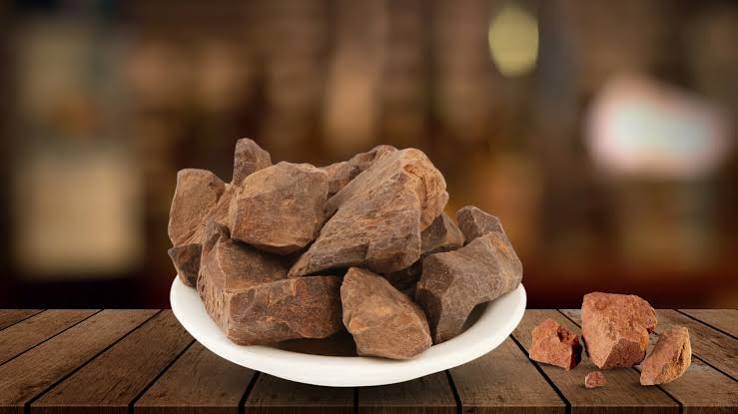
Chopchini (Introduction, Benefits, and Usages)
Chopchini benefits are rooted in one of the most travelled of all medicinal plants — Smilax china (China root), whose rhizome journeyed from Chinese traditional medicine through Unani medicine to Ayurvedic practice, carried by the same trade routes that brought silk and spices across Asia. Its reputation across these diverse medical systems for blood purification, chronic skin diseases, rheumatic joint conditions, and anti-inflammatory action isn’t coincidental — it reflects a genuine pharmacological reality in its astilbin, steroidal saponins, and resveratrol content. See Wikipedia: Smilax china. For complementary blood-purifying herbs, explore Chirata and Daruharidra.
What Is Chopchini? A Complete Introduction
Origin and History of Chopchini
Smilax china is a climbing thorny vine native to China, Japan, Korea, and parts of Southeast Asia. The underground rhizome — knobbly, brown-barked, and starchy inside — is the medicinal part. It reached India and the Middle East through ancient trade routes and was enthusiastically incorporated into Unani medical practice, where it became a primary treatment for chronic blood disorders and syphilis before modern antibiotics. In Ayurvedic practice, it was incorporated as a Raktashodhaka (blood-purifying) herb for chronic skin and joint conditions.
Key Compounds and Nutritional Profile
Astilbin is Chopchini’s most pharmacologically significant compound — a flavanone glycoside with specific T-cell immunomodulatory properties documented in multiple research studies. It selectively suppresses pathological T-cell responses (relevant in autoimmune and inflammatory conditions) while preserving normal immune function. Steroidal saponins (sarsasapogenin, smilasaponin) provide anti-inflammatory and adaptogenic effects. Resveratrol (the same antioxidant compound that makes red wine famous for cardioprotection) contributes antioxidant, anti-inflammatory, and anti-cancer properties. See Wikipedia: Astilbin.
Top Health Benefits of Chopchini
Chopchini Benefits for Immunity and Overall Health
Astilbin’s selective immunomodulation is particularly valuable for autoimmune-inflammatory conditions where the immune system is overactive rather than underactive. Research has specifically demonstrated astilbin’s effectiveness in collagen-induced arthritis models — reducing synovial inflammation, joint damage, and inflammatory cytokines through selective T-cell suppression without broad immunosuppression. The liver-protective effects of Smilax china extracts are well-documented in animal research — protecting hepatocytes from toxic injury and reducing liver enzyme elevation — which supports the blood-purifying tradition by improving the liver’s actual filtration and detoxification function.
Chopchini for Skin, Hair, and Beauty
The blood-purifying Raktashodhaka action is Chopchini’s primary indication for skin conditions — and its mechanism is now partially explained by astilbin’s immunomodulatory action on T-cell-mediated skin inflammation. Psoriasis is fundamentally a T-cell mediated condition; eczema (atopic dermatitis) has a significant T-cell inflammatory component; both are conditions where Chopchini’s astilbin mechanism provides a pharmacologically rational therapeutic approach. Research on astilbin specifically shows inhibition of T-cell migration into skin tissues — a direct anti-psoriatic mechanism.
Medicinal Properties of Chopchini
How Chopchini Works as a Natural Remedy
Chopchini works through three primary mechanisms. First, astilbin selectively inhibits pathological T-lymphocyte responses — reducing the T-cell-mediated inflammation underlying psoriasis, rheumatoid arthritis, and certain inflammatory bowel conditions. Second, the steroidal saponins have direct anti-inflammatory effects through COX enzyme inhibition and steroid-hormone-like receptor interactions. Third, the diuretic action increases urinary excretion of uric acid and inflammatory metabolites — contributing to the blood-purifying effect by removing these compounds from the bloodstream through enhanced renal clearance. These three mechanisms work synergistically across skin, joint, and systemic inflammatory conditions.
Chopchini in Ayurveda and Traditional Medicine
In Ayurveda, Chopchini is classified as Raktashodhaka (blood purifying), Vatanashaka (Vata-reducing for joint and nerve conditions), and useful for Kushtha (skin diseases) and Sandhivata (joint conditions). In Unani medicine (where it’s called Chobchini), it was historically the primary drug for syphilis, chronic skin disorders, and “blood impurity” conditions — reflecting its genuine anti-inflammatory and immune-modulating action. In Chinese traditional medicine, Tu Fu Ling (China root) is used for similar conditions — chronic skin diseases, joint inflammation, and urinary conditions. This convergence across three independent traditional medical systems reflects genuine therapeutic consistency.
How to Use Chopchini — Practical Usages
Chopchini in Food, Tea, and Cooking
Decoction: boil 5–10 grams of Chopchini rhizome powder in 400 ml water; reduce to 100 ml by simmering; strain and drink twice daily. This is the most traditional method across all three medical systems that use it. The decoction can be taken with honey to improve palatability. Powder: 3–6 grams twice daily with warm water or honey. Course duration: 4–12 weeks for chronic skin and joint conditions, as results build gradually over time.
Chopchini as a Supplement or Topical Application
Chopchini is available as rhizome powder, decoction granules, and as an ingredient in Ayurvedic and Unani compound formulations for chronic skin diseases. For topical use, strong Chopchini decoction can be used as a skin wash for inflammatory skin conditions — the astilbin directly contacts inflamed skin tissue, providing local anti-inflammatory action alongside the systemic effect from oral intake. Combine with Gokshura for enhanced diuretic and uric acid-lowering effects in gout management.
Side Effects and Precautions of Chopchini
- Generally well-tolerated: Chopchini has a strong safety record across centuries of use at traditional doses — side effects are uncommon
- Pregnancy: insufficient evidence for safety during pregnancy — avoid as a precaution
- Drug interactions: the immunomodulatory action may theoretically interact with immunosuppressant medications — inform your doctor if on immunosuppressive drugs and considering Chopchini for autoimmune skin conditions
- Digestive sensitivity: the steroidal saponins can cause mild gastric irritation in sensitive individuals — take with food
Frequently Asked Questions About Chopchini
What are the main Chopchini benefits for health?
The most documented Chopchini benefits are: chronic skin disease management through T-cell immunomodulation (psoriasis, eczema), rheumatic joint pain reduction (astilbin inhibits synovial inflammation), uric acid reduction and gout support (diuretic and anti-inflammatory), liver protection, and systemic antioxidant effects through resveratrol. The blood-purifying traditional reputation has genuine pharmacological basis.
How long does Chopchini take to work for skin conditions?
Chronic skin conditions typically show initial improvement at 3–4 weeks, with more significant results at 8–12 weeks of consistent daily use. Psoriasis and chronic eczema require the longer timeframe as the underlying T-cell dysfunction resolves gradually. Don’t discontinue at 2–3 weeks if you don’t see dramatic results — consistency over a full course is essential for blood-purifying herbs to show their effect.
Add comment