
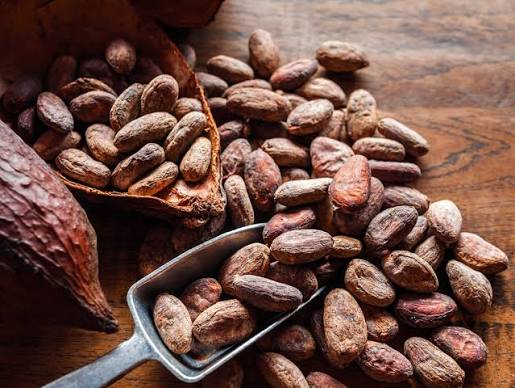
Cocoa (Introduction, Benefits, and Usages)
Cocoa – Introduction, Benefits, and Usages
Cocoa benefits are among the most pleasantly surprising in all of plant medicine — this is one of the few cases where the thing people most enjoy eating actually has substantial, well-documented health benefits. Cocoa (Theobroma cacao — literally “food of the gods” in Greek) is extraordinarily rich in polyphenols, particularly flavanols, that provide genuinely clinically meaningful cardiovascular, cognitive, mood, and metabolic benefits backed by hundreds of research studies and multiple large clinical trials. Understanding what cocoa does — and how to consume it to actually get those benefits — is what this guide is about. See Wikipedia: Cocoa bean. For related mood and energy herbs, explore Coffee and Ashwagandha.
What Is Cocoa? A Complete Introduction
Origin and History of Cocoa
The cacao tree (Theobroma cacao) originated in the Amazon basin of South America and was first domesticated by the Olmec civilisation in Mexico around 1500 BCE. The Maya and Aztec civilisations used cacao as a sacred ceremonial food, currency, and a bitter spiced beverage — very different from modern sweetened chocolate. Spanish conquistadors brought cacao to Europe in the 16th century, and sugar and milk were added to create the sweetened chocolate we recognise today. The flavanol content of original unsweetened cacao was far higher than modern milk chocolate — a nutritionally important distinction.
Key Compounds and Nutritional Profile
Flavanols — particularly epicatechin, catechin, and procyanidins — are cocoa’s primary bioactive compounds and the basis of most of its health benefits. Raw cacao is one of the richest dietary sources of these compounds. Theobromine provides mild stimulant effects (gentler than caffeine), bronchodilation, and diuretic action. Phenylethylamine (PEA) and anandamide (“bliss molecule”) contribute to cocoa’s mood-enhancing effects. Magnesium is present in significant quantities — raw cacao is one of the richest food sources of magnesium, a mineral deficient in most modern diets. Cocoa also contains significant iron, zinc, manganese, copper, and phosphorus. See Wikipedia: Cocoa flavanols.
Top Health Benefits of Cocoa
Cocoa Benefits for Immunity and Overall Health
The COSMOS-Cocoa trial — a large randomised controlled trial with over 21,000 participants — found that cocoa flavanol supplementation reduced cardiovascular disease mortality by 27% and cardiovascular events by 15%. This is major clinical evidence, not small preliminary research. Blood pressure reduction is consistently documented: a meta-analysis of 35 trials found cocoa flavanols reduced systolic blood pressure by an average of 2–3 mmHg — comparable to a first-line antihypertensive medication at a population level. The mechanism involves nitric oxide production through eNOS activation — improving endothelial function and vasodilation throughout the cardiovascular system.
Cocoa for Skin, Hair, and Beauty
A randomised controlled trial found that high-flavanol cocoa consumption for 12 weeks significantly improved skin hydration, reduced roughness, reduced UV-induced redness (sunburn sensitivity), and improved skin density and thickness. These benefits come from flavanol-mediated improvement in skin microcirculation — flavanols dilate small blood vessels in the skin, improving nutrient and oxygen delivery to skin cells. Cocoa butter (the fat extracted from cacao) is a well-established emollient for dry skin, stretch marks, and wound healing — high in stearic acid and oleic acid, deeply moisturising without clogging pores.
Medicinal Properties of Cocoa
How Cocoa Works as a Natural Remedy
Cocoa’s cardiovascular benefits operate through epicatechin’s activation of endothelial nitric oxide synthase (eNOS) — increasing nitric oxide production in blood vessel walls. Nitric oxide relaxes smooth muscle in artery walls, reducing blood pressure, improving blood flow, and reducing the endothelial dysfunction that initiates atherosclerosis. This is the same pathway through which exercise improves cardiovascular health — cocoa flavanols essentially mimic some aspects of the vascular response to physical activity, which is why some researchers have called flavanols an “exercise pill” (though this overstates the case).
Cognitive benefits are supported by multiple clinical studies showing improved working memory, attention, and verbal learning with cocoa flavanol supplementation, particularly in older adults. Increased cerebral blood flow through the same NO/eNOS mechanism improves brain perfusion — particularly relevant for age-related cognitive decline where reduced cerebral blood flow is a contributing factor. See Wikipedia: Epicatechin.
Cocoa in Ayurveda and Traditional Medicine
Cocoa isn’t an Ayurvedic herb — it originated in the Americas and wasn’t available in classical Ayurvedic practice. However, from an Ayurvedic energetic perspective, raw cacao is classified by contemporary Ayurvedic practitioners as bitter, slightly warming, and Vata-Kapha balancing — with potential Pitta aggravation in excess (the stimulant theobromine and caffeine can aggravate Pitta). The magnesium content is specifically Vata-calming and nerve-nourishing. The bitter compounds support Pitta-type liver and digestive function. Raw cacao in Ayurvedic cooking is used in golden milk variants and medicinal preparations that combine it with spices like Cinnamon and Cardamom.
How to Use Cocoa — Practical Usages
Cocoa in Food, Tea, and Cooking
The critical insight is that not all chocolate delivers cocoa benefits equally. Milk chocolate and most commercial chocolate bars have dramatically reduced flavanol content due to heavy processing and dilution. To actually access cocoa benefits: use raw cacao powder or minimally processed dark chocolate (70%+ cocoa). Two tablespoons of raw cacao powder in a morning smoothie, oatmeal, or hot drink delivers a meaningful dose of flavanols, magnesium, and theobromine.
Hot cocoa made with 2 tablespoons of unsweetened cocoa powder in warm milk with minimal sugar is a simple daily therapeutic preparation. Add cinnamon and cardamom for synergistic blood sugar and cardiovascular support. The clinical trials on cocoa flavanols typically used flavanol supplements (400–900 mg daily) rather than food, but regular raw cacao consumption provides significant amounts of these compounds.
Cocoa as a Supplement or Topical Application
Cocoa flavanol supplements (standardised to epicatechin content) are available and were used in the major clinical trials. These provide more consistent flavanol doses than food. For cardiovascular benefits, the COSMOS-Cocoa trial used 500 mg of flavanols daily. Cocoa butter is applied topically as an emollient for dry skin, stretch marks, and as a base in natural cosmetics — it melts at body temperature, making it an ideal body butter that absorbs easily into warm skin.
Side Effects and Precautions of Cocoa
- Caffeine and theobromine: cocoa contains stimulants — sensitive individuals may experience sleep disruption, palpitations, or anxiety with large amounts, particularly in the evening
- Oxalates: cocoa is high in oxalates — people with calcium oxalate kidney stones should moderate intake
- Migraine triggers: cocoa is a migraine trigger for some individuals due to tyramine, phenylethylamine, and theobromine
- GERD/acid reflux: cocoa relaxes the lower oesophageal sphincter — can worsen acid reflux symptoms
- Sugar content: commercial chocolate products often contain significant sugar, negating health benefits through metabolic harm — always choose high-cocoa-content, low-sugar options
Frequently Asked Questions About Cocoa
What are the main cocoa benefits for health?
The most clinically documented cocoa benefits are cardiovascular mortality reduction (COSMOS trial: 27% reduction), blood pressure lowering (meta-analysis confirmed), improved endothelial function and circulation, cognitive performance improvement especially in older adults, skin health improvement through microcirculation enhancement, and significant magnesium and iron supply from raw cacao.
Is dark chocolate actually healthy?
High-quality dark chocolate (70%+ cocoa, minimal processing) is genuinely health-beneficial in moderate amounts. The key factors are cocoa content (higher is better), processing level (Dutch-process/alkalized cocoa has dramatically reduced flavanols vs. natural process), and sugar content (lower is better). A couple of squares of 85%+ dark chocolate daily provides meaningful flavanol benefits without excessive sugar. Milk chocolate and most commercial chocolates don’t meaningfully deliver these benefits.
What is the difference between cacao and cocoa?
“Cacao” typically refers to raw, minimally processed cacao beans or powder — retaining maximum flavanol content. “Cocoa” often refers to more processed forms (particularly Dutch-processed/alkalized cocoa powder) where flavanols may be significantly reduced by alkalisation. Raw cacao powder retains higher flavanol levels. For maximum health benefit, choose raw cacao or natural-process cocoa powder, not Dutch-process.
How much cocoa do I need for cardiovascular benefits?
The COSMOS-Cocoa trial used 500 mg of cocoa flavanols daily. Two tablespoons of raw cacao powder contains approximately 200–400 mg of flavanols depending on processing. For meaningful cardiovascular benefits, aim for 2–3 tablespoons of raw cacao powder daily or consume high-quality dark chocolate (2–3 squares of 85% dark chocolate) consistently. The key is regularity — daily consumption over months produces the endothelial improvements documented in research.
Is cocoa good for mental health?
Yes — cocoa contains PEA (phenylethylamine), anandamide, and theobromine that contribute to mood elevation. Multiple randomised trials show cocoa flavanols improve mood, reduce fatigue, and decrease depression and anxiety scores compared to placebo. The magnesium in raw cacao is also critical for nervous system function and has documented anti-anxiety effects. Regular raw cacao consumption is a genuine, evidence-based contribution to mental wellbeing.
Cocoa benefits put this medicinal plant in a unique category — something that’s genuinely therapeutic and also one of life’s great pleasures. Use raw cacao powder daily in your diet, choose 85%+ dark chocolate over milk chocolate, and consider flavanol supplements if you have specific cardiovascular risk. Skip the sugar-heavy commercial chocolate bars and focus on the real thing — raw, minimally processed cacao is where all the medicine lives.


Add comment