
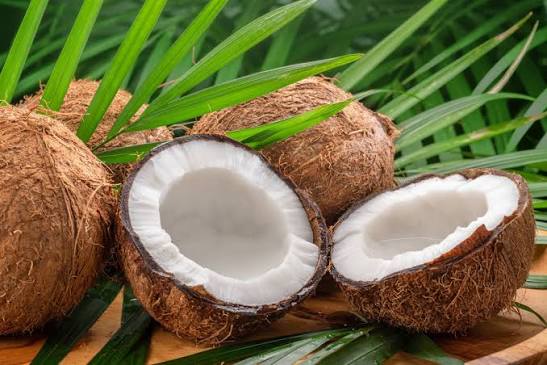
Coconut (Introduction, Benefits, and Usages)
Coconut benefits span virtually every part of this remarkable palm — the water, flesh, oil, milk, and even the husk all have distinct and well-documented therapeutic applications. Cocos nucifera has been called the “tree of life” across South and Southeast Asian cultures for good reason — it provided food, medicine, cooking oil, building material, and water purification for communities across tropical coastlines for thousands of years. Today, modern research is clarifying exactly which benefits are real and how the different coconut products compare. See Wikipedia: Coconut. For related Ayurvedic oils and foods, explore Castor Oil and Ghee.
What Is Coconut? A Complete Introduction
Origin and History of Coconut
The coconut palm (Cocos nucifera) originated in the Indo-Pacific region — most likely the shores of the Indian subcontinent or Southeast Asia — and spread across tropical coastlines via ocean currents and human migration over thousands of years. It reached the Pacific islands, East Africa, and the Americas through a combination of natural drift and deliberate cultivation by seafaring peoples. In Ayurveda, coconut (Narikela) appears in ancient texts and is one of the most comprehensively described food-medicines in the classical literature.
Key Compounds and Nutritional Profile
Different coconut products have distinct nutritional profiles. Coconut water is rich in potassium, sodium, magnesium, electrolytes, and cytokinins (plant hormones with anti-ageing research interest) — an excellent natural electrolyte drink. Coconut flesh provides significant fibre, medium-chain triglycerides (MCTs), manganese, and copper. Coconut oil is approximately 90% saturated fat — predominantly lauric acid (48%), caprylic acid, and capric acid. Lauric acid converts to monolaurin in the body, which has well-documented antimicrobial properties. The MCT content (about 65%) gives coconut oil its metabolic distinctiveness compared to long-chain saturated fats.
Top Health Benefits of Coconut
Coconut Benefits for Immunity and Overall Health
Monolaurin — formed from lauric acid in coconut oil — is a potent antimicrobial compound active against enveloped viruses (including influenza, HIV, and herpes viruses), bacteria (including H. pylori, Staphylococcus, and Listeria), and fungi (Candida). This makes coconut oil genuinely useful for immune support against these specific pathogens. MCTs in coconut oil are rapidly absorbed and converted to ketones in the liver — providing quick brain energy without requiring insulin, relevant for cognitive support and metabolic conditions.
Coconut for Skin, Hair, and Beauty
Coconut oil is one of the most researched natural skin and hair care ingredients. A randomised trial found virgin coconut oil as effective as mineral oil for treating atopic dermatitis, significantly reducing skin dryness and improving the skin barrier. The lauric acid’s antimicrobial properties reduce skin bacterial load; the medium-chain fatty acids penetrate the hair shaft better than most oils, reducing protein loss from hair. For hair: coconut oil applied pre-wash significantly reduces protein loss during shampooing — no other common oil tested showed this effect. See Wikipedia: Lauric acid.
Medicinal Properties of Coconut
How Coconut Works as a Natural Remedy
Coconut water’s electrolyte composition (particularly potassium at 600 mg per cup) makes it a clinically validated oral rehydration solution for mild to moderate dehydration — a WHO study confirmed it comparable to commercial sports drinks for rehydration. For digestive health, coconut flesh’s fibre feeds beneficial gut bacteria and promotes bowel regularity. Coconut oil pulling (swishing 1 tablespoon in the mouth for 15–20 minutes) has randomised trial evidence for reducing oral bacteria, gingivitis scores, and plaque — the mechanical emulsification and antimicrobial action work together.
Coconut in Ayurveda and Traditional Medicine
In Ayurveda, coconut (Narikela) is classified as sweet, cooling, heavy, and Vata-Pitta reducing. Coconut water is specifically indicated for Pitta conditions — burning sensations, excessive thirst, hyperacidity, and urinary burning. Coconut flesh is Brinhana (nourishing) and Balya (strength-giving). Coconut oil is used in Abhyanga (oil massage), as a cooking medium, and in classical preparations for scalp and hair health. The cooling, nourishing nature makes coconut particularly recommended in hot climates and for Pitta-dominant constitutions. Pairs with Cardamom and Saffron in traditional cooling preparations.
How to Use Coconut — Practical Usages
Coconut in Food, Tea, and Cooking
Drink fresh coconut water after exercise or illness for electrolyte replenishment. Eat fresh coconut flesh for fibre, MCTs, and minerals. Use virgin coconut oil (unrefined, cold-pressed) for cooking at moderate temperatures (smoke point 177°C) or as a spread. Coconut milk adds richness to curries, soups, and smoothies while providing MCTs and beneficial fatty acids. Desiccated coconut adds texture and fibre to baked goods and cereals.
Coconut as a Supplement or Topical Application
Oil pulling: swish 1 tablespoon of virgin coconut oil in the mouth for 15–20 minutes each morning before eating; spit out (not into the drain — it solidifies). Skin: apply virgin coconut oil directly as a moisturiser, makeup remover, or body oil. Hair: apply to dry hair before washing (leave 30 minutes minimum) to reduce protein loss. MCT oil (more concentrated than whole coconut oil) can be added to coffee, smoothies, or salad dressing for ketone-boosting cognitive and energy effects.
Side Effects and Precautions of Coconut
- Saturated fat debate: coconut oil’s high saturated fat content remains debated — MCTs behave differently from long-chain saturated fats, but cardiovascular outcomes data is mixed; use in moderation and within a balanced diet
- Calorie density: coconut oil is pure fat (120 calories per tablespoon) — relevant for weight management
- Kapha aggravation: the heavy, oily nature of coconut flesh and oil may aggravate Kapha in susceptible individuals
- Coconut allergy: coconut allergy is distinct from tree nut allergy but can be severe in sensitive individuals
Frequently Asked Questions About Coconut
What are the main coconut benefits for health?
Key coconut benefits include antimicrobial action through monolaurin (from lauric acid), electrolyte replenishment from coconut water, hair damage prevention (pre-wash oil reduces protein loss), skin barrier improvement for eczema and dry skin, oral health through oil pulling, MCT-based cognitive and energy support, and digestive fibre from the flesh.
Is coconut oil healthy?
Virgin coconut oil has genuine therapeutic properties through its lauric acid and MCT content. It’s appropriate as part of a varied diet with diverse fat sources. The evidence doesn’t support replacing all cooking oils with coconut oil for cardiovascular health — but as one of several oils in a balanced diet, and particularly for topical applications, it’s genuinely beneficial. Use cold-pressed virgin coconut oil rather than refined/hydrogenated versions.
What is coconut called in Ayurveda?
Coconut is called Narikela in Ayurveda (the palm is Narikela Vriksha). The water is specifically indicated for Pitta conditions; the flesh for nutritive nourishment; and the oil for Abhyanga massage and hair care. It’s one of the few foods where every part has distinct classical Ayurvedic applications described in ancient texts.
Coconut benefits are real, diverse, and backed by solid evidence — particularly for topical skin and hair applications, oral health through oil pulling, electrolyte replenishment from coconut water, and antimicrobial support through lauric acid. Include coconut in multiple forms in your daily life — water for hydration, oil for cooking and topical care, fresh flesh for nutrition — and you’re accessing 5,000 years of validated traditional medicine alongside modern scientific confirmation.




Add comment