
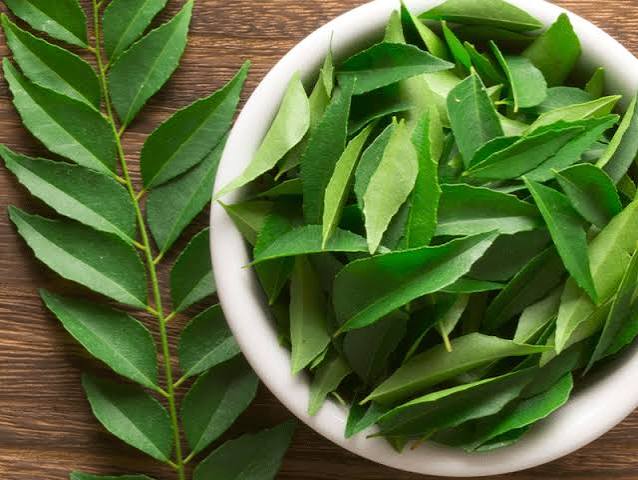
Curry Leaves (Introduction, Benefits, and Usages)
Curry leaves benefits extend well beyond the aromatic flavour they add to South Indian cooking — Murraya koenigii is a genuinely significant medicinal plant in Ayurveda with documented antidiabetic, anti-inflammatory, antioxidant, and hair growth-promoting properties. The alkaloids unique to curry leaves — particularly mahanimbine, mahanine, and girinimbine — have pharmacological activity that explains many of the traditional therapeutic applications that South Asian herbalists have relied on for centuries. See Wikipedia: Curry tree. For related digestive herbs used in South Indian cooking, explore Cumin and Fenugreek Seeds.
What Is Curry Leaves? A Complete Introduction
Origin and History of Curry Leaves
The curry leaf tree (Murraya koenigii) is native to the Indian subcontinent and Sri Lanka, where it grows in tropical and subtropical regions. In Sanskrit, it is called Krishnaneem, Surabhinimba, or Girinimba — the references in classical Ayurvedic literature to its digestive, anti-nausea, and hair-promoting properties are extensive. The leaves have been used in South Indian, Sri Lankan, and Southeast Asian cooking for centuries — not merely as flavouring but with the understanding that they actively aid digestion. In Tamil Nadu’s traditional medicine (Siddha system), curry leaves are used for conditions ranging from dysentery to hair loss. The plant also grows in Myanmar, Thailand, and China where it has similarly been incorporated into traditional medicine.
Key Compounds and Nutritional Profile
Curry leaves contain a distinctive set of carbazole alkaloids found almost nowhere else in the plant kingdom: mahanimbine (anti-obesity, anti-inflammatory, anti-cancer research), mahanine (potent pro-apoptotic compound with anti-cancer activity against multiple cancer lines), girinimbine (antifungal, anti-tumour), and koenimbine. The essential oil contains linalool, alpha-terpinene, and sabinene. Nutritionally, curry leaves provide significant iron, calcium, and vitamins A and C. The antioxidant capacity is exceptionally high — DPPH radical scavenging activity comparable to green tea in some studies. See Wikipedia: Carbazole alkaloid.
Top Health Benefits of Curry Leaves
Curry Leaves Benefits for Immunity and Overall Health
The antidiabetic properties of curry leaves are among the most studied. Multiple animal and preliminary human studies confirm that curry leaf extracts significantly reduce fasting blood glucose, improve insulin sensitivity, and protect pancreatic beta cells from oxidative damage. The mechanism involves inhibition of alpha-glucosidase and alpha-amylase (reducing carbohydrate digestion speed), plus direct pancreato-protective antioxidant effects from the carbazole alkaloids and flavonoids. The anti-inflammatory carbazole alkaloids — particularly mahanimbine — inhibit multiple inflammatory pathways including COX-2, TNF-alpha, and interleukins, providing systemic anti-inflammatory benefits relevant to arthritis, cardiovascular disease, and inflammatory bowel conditions.
Curry Leaves for Skin, Hair, and Beauty
Curry leaves’ most celebrated traditional application — hair growth promotion — has received research support. Studies suggest curry leaf extracts promote hair follicle health through antioxidant protection of follicle cells, improvement of iron bioavailability (iron deficiency being a major cause of hair loss), and possible DHT-inhibiting activity from the alkaloids. Traditional South Indian women have long applied curry leaf oil (curry leaves infused in coconut oil) to scalp and hair as a standard hair care practice — this combination maximises both the medicinal alkaloids and the penetrating properties of coconut oil. Melanin-preserving properties are a traditional claim for which some preliminary research exists — suggesting curry leaves may reduce premature greying.
Medicinal Properties of Curry Leaves
How Curry Leaves Work as a Natural Remedy
Curry leaves have well-documented antiemetic (anti-nausea) properties — the Carbazole alkaloids have demonstrated direct antiemetic activity in animal models, consistent with the traditional use of curry leaf tea for morning sickness, nausea, and vomiting. For digestive health, curry leaves stimulate digestive enzyme secretion and have documented carminative properties. The iron content (combined with vitamin C which aids iron absorption) makes curry leaves a useful dietary iron source for vegetarians. The hepatoprotective properties of curry leaf extracts — protecting liver cells from oxidative damage and toxin-induced injury — have been documented in multiple studies.
Curry Leaves in Ayurveda and Traditional Medicine
In Ayurveda, curry leaves (Krishnaneem/Surabhinimba) are classified as light, dry, pungent, and tikta (bitter) in taste. They reduce Kapha and Vata and are specifically indicated for digestive disorders (Amadosha — undigested food toxins), nausea, diarrhoea, dysentery, diabetes (Prameha), and hair conditions (Khalitya — hair loss). The Siddha system of traditional Tamil medicine uses curry leaves extensively, particularly for diabetes management and hair care. The combination of digestive, antidiabetic, and hair-promoting properties in one herb aligns perfectly with the holistic Ayurvedic approach to wellness. Pairs with Coconut oil for hair applications.
How to Use Curry Leaves — Practical Usages
Curry Leaves in Food, Tea, and Cooking
Fresh curry leaves added to hot oil in tempering release their essential oils and alkaloids most effectively — the standard South Indian cooking technique of adding curry leaves to ghee or oil is pharmacologically sound. Eat the leaves themselves — many recipes use curry leaves for flavour then discard them, but eating the actual leaves provides the full medicinal benefit. Blend fresh curry leaves into chutneys, add to buttermilk preparations, or chew a few raw leaves each morning on an empty stomach for maximum antidiabetic and digestive benefit. Curry leaf tea (steep fresh or dried leaves in hot water for 5–10 minutes) is a simple medicinal preparation for nausea, blood sugar, or hair health.
Curry Leaves as a Supplement or Topical Application
Curry leaf hair oil: heat 1 cup of coconut oil with a large handful of fresh curry leaves until the leaves turn dark and the oil turns green — this infuses the alkaloids into the oil. Strain, cool, and apply to scalp and hair 2–3 times weekly. Leave overnight for maximum benefit, wash out in the morning. This is the traditional preparation that has a genuine evidence base for hair growth promotion. Curry leaf powder and capsules are available as supplements for blood sugar and antioxidant support — look for standardised mahanimbine content.
Side Effects and Precautions of Curry Leaves
- Blood sugar medication: curry leaves’ significant hypoglycaemic effect can potentiate antidiabetic drugs — monitor blood sugar if using therapeutic doses alongside medication
- Pregnancy: culinary amounts are completely safe; high-dose supplemental preparations should be avoided during pregnancy
- Allergic contact dermatitis: topical application of concentrated curry leaf preparations rarely causes skin sensitisation in some individuals — patch test before applying curry leaf oil to scalp
Frequently Asked Questions About Curry Leaves
What are the main curry leaves benefits for health?
The most evidence-supported curry leaves benefits are: blood sugar reduction through multiple enzyme-inhibiting mechanisms, hair growth promotion through follicle-protective antioxidant and iron-supporting activity, liver protection from hepatotoxins and oxidative damage, antiemetic (anti-nausea) effects, digestive enzyme stimulation, and potent antioxidant protection from unique carbazole alkaloids found almost exclusively in this plant.
Can curry leaves prevent grey hair?
Traditional Ayurvedic and Siddha medicine consistently attributes melanin-preserving properties to curry leaves — and there is preliminary research suggesting curry leaf compounds may reduce oxidative damage to melanocytes (the cells that produce hair pigment). While strong clinical evidence in humans is limited, the traditional claim has a biologically plausible mechanism and centuries of empirical support. Regular curry leaf oil application is low-risk and potentially beneficial for this traditional use.
How many curry leaves should I eat per day?
For general health maintenance and blood sugar support, eating 8–10 fresh curry leaves daily on an empty stomach in the morning is the traditional Ayurvedic recommendation. Chewing them well before swallowing maximises the release of alkaloids. For cooking, use as many as you like — there’s no upper safe limit for culinary use, and eating the leaves (rather than discarding them) always maximises the health benefit.
Curry leaves benefits are accessible and immediate — just stop discarding the leaves in your curry. Eat them, chew them raw in the morning, make them into a hair oil, and incorporate them liberally in cooking. One of Ayurveda’s most specific and evidence-supported herb-condition pairings (curry leaves for diabetes and hair health) is sitting in most South Asian kitchens already — the gap is awareness, not access.

Add comment