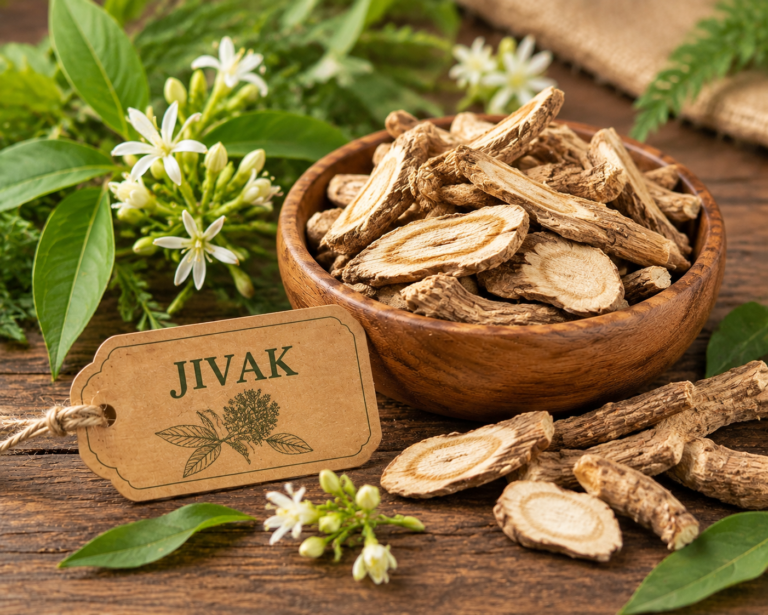
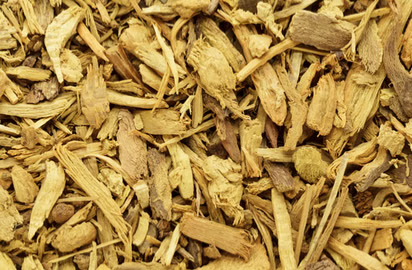
Daruharidra benefits come from one of Ayurveda’s most valuable and versatile anti-infective, anti-inflammatory, and wound-healing herbs — Berberis aristata, the Indian barberry, contains berberine as its primary bioactive compound, making it one of the most pharmacologically well-studied alkaloids in natural medicine. Berberine’s documented clinical applications span blood sugar management (comparable to metformin in some trials), antibacterial action against resistant organisms, antifungal activity, cholesterol reduction, and anti-diarrhoeal properties. Daruharidra means “tree turmeric” in Sanskrit — a fitting name for a plant whose yellow rhizome stains fabric just like Turmeric. See Wikipedia: Berberis aristata.
What Is Daruharidra? A Complete Introduction
Origin and History of Daruharidra
Daruharidra (Berberis aristata, also called Indian barberry or tree turmeric) grows in the Himalayan foothills and subtropical forests of India, Nepal, Bhutan, and Sri Lanka at altitudes between 1,000 and 3,000 metres. The plant is an evergreen shrub with spiny branches and yellow flowers. Its bright yellow root and stem bark — coloured by berberine — have been used in Ayurveda for thousands of years. The Charaka Samhita and Ashtanga Hridayam both reference Daruharidra extensively for eye diseases, skin conditions, wound healing, and fever. The same genus (Berberis) is used medicinally across traditional Chinese medicine (Huang Bai from Phellodendron amurense, a berberine-containing plant), Unani medicine, and traditional North American herbalism — all independently arriving at the same medicinal applications for berberine-containing plants.
Key Compounds and Nutritional Profile
Berberine (a quaternary isoquinoline alkaloid) is the primary active compound, accounting for 2–5% of the dry weight of Daruharidra stem bark and roots. Berberine has documented mechanisms across numerous therapeutic targets: AMPK activation (the same pathway activated by metformin), alpha-glucosidase inhibition, CYP450 enzyme interactions, antibacterial membrane disruption, and direct antifungal activity. Additional alkaloids include oxyberberine, palmatine, columbamine, and jatrorrhizine — each with their own pharmacological activities. Vitamin C and tannins in the fruit (the small blue-black berries) provide additional antioxidant activity. See Wikipedia: Berberine.
Top Health Benefits of Daruharidra
Daruharidra Benefits for Immunity and Overall Health
Berberine from Daruharidra has some of the most impressive clinical research in natural medicine. A landmark meta-analysis found berberine as effective as metformin for lowering blood glucose in type 2 diabetics, while simultaneously providing lipid-lowering benefits (reducing total cholesterol, LDL, and triglycerides) that metformin doesn’t provide. Multiple randomised controlled trials have confirmed berberine’s ability to reduce HbA1c by 0.9–1.5% — clinically meaningful reductions. The antimicrobial breadth is exceptional — berberine is active against MRSA (methicillin-resistant Staphylococcus aureus), H. pylori, Candida, Giardia, various diarrhoea-causing bacteria, and has antiviral properties against Herpes simplex.
Daruharidra for Skin, Hair, and Beauty
Daruharidra is one of Ayurveda’s most important herbs for skin conditions. Berberine’s antimicrobial activity against S. aureus, Candida, and other skin pathogens makes topical Daruharidra preparations effective for acne, fungal skin infections, infected wounds, and inflammatory skin conditions. Classical Ayurvedic texts specifically list Daruharidra for Kushtha (skin diseases) and Vrana (wounds) — reflecting its antibacterial, anti-inflammatory wound-healing properties. Berberine also inhibits melanin synthesis through tyrosinase inhibition, giving it skin-lightening properties relevant to hyperpigmentation treatment. Eye washes (Netra Prakshalana) with Daruharidra decoction for conjunctivitis are among the most classical Ayurvedic ophthalmic applications.
Medicinal Properties of Daruharidra
How Daruharidra Works as a Natural Remedy
Berberine activates AMPK (AMP-activated protein kinase) — the “master metabolic switch” also activated by metformin and exercise — which improves insulin sensitivity, reduces glucose production in the liver (gluconeogenesis), and improves glucose uptake by muscle cells. This multi-site mechanism explains the robust blood sugar reduction observed in clinical trials. The anti-diarrhoeal mechanism works differently — berberine has direct antimicrobial action against cholera toxin, Giardia, and E. coli, while also reducing the secretory response to bacterial toxins in the gut. This dual anti-infective and anti-secretory action explains why Daruharidra has been used for infectious diarrhoea across traditional medicine systems independently.
Daruharidra in Ayurveda and Traditional Medicine
In Ayurveda, Daruharidra is classified as bitter, pungent, and astringent in taste, hot in potency, and Kapha-Pitta pacifying. It’s one of the most referenced herbs in classical texts for Netra Roga (eye diseases — particularly conjunctivitis and blepharitis), Kushtha (skin diseases), Prameha (diabetes and urinary disorders), and Jwara (fever). The Ashtanga Hridayam specifically prescribes Daruharidra as an ingredient in numerous classical formulations for these conditions. In traditional Nepalese medicine, Daruharidra (called Chutro) is one of the most important herbs for digestive conditions, fevers, and jaundice. In Unani medicine, it’s called Zarishk or Daruhaldi and used for liver conditions and infections. Pairs with Turmeric for synergistic anti-inflammatory and antimicrobial effects.
How to Use Daruharidra — Practical Usages
Daruharidra in Food, Tea, and Cooking
Daruharidra is primarily used medicinally rather than culinarily. Daruharidra decoction (kwatha): boil 10g of Daruharidra bark or root in 400ml of water, reduce to 100ml, strain and drink twice daily for blood sugar, infections, or skin conditions — the classical Ayurvedic preparation. Eye wash: prepare a weaker Daruharidra decoction (2–3g per 500ml water), cool completely, strain very thoroughly through multiple layers of cloth, and use as an eye wash for conjunctivitis — one of the most classical Ayurvedic ophthalmological preparations. Powder: Daruharidra root powder (churna) mixed with honey makes a traditional preparation for sore throat, mouth ulcers, and respiratory infections.
Daruharidra as a Supplement or Topical Application
Berberine supplements (standardised from Daruharidra, goldenseal, or Oregon grape) provide the most clinically studied dose — 500 mg three times daily with meals, the dose used in most blood sugar clinical trials. This provides consistent, standardised berberine concentrations independent of variable raw herb potency. For topical use, Daruharidra root powder paste (made with water or rose water) applied to acne, skin infections, or hyperpigmentation provides direct antibacterial and anti-melanin activity. Commercial Daruharidra-based Ayurvedic formulations include Daruharidradi churna and Triphaladi taila.
Side Effects and Precautions of Daruharidra
- Drug interactions: berberine inhibits CYP3A4 and CYP2D6 enzymes — significant interactions with statins (can cause excessive statin effect), cyclosporine, and certain anticoagulants; review with a pharmacist if on multiple medications
- Blood sugar medication: the significant hypoglycaemic effect can potentiate antidiabetics — monitor blood sugar carefully
- Pregnancy: berberine crosses the placenta and has been associated with neonatal jaundice at high doses; avoid therapeutic doses during pregnancy
- Neonates: berberine can displace bilirubin from albumin, worsening neonatal jaundice — avoid in breastfeeding if the newborn has jaundice
Frequently Asked Questions About Daruharidra
What are the main Daruharidra benefits for health?
The most evidence-supported Daruharidra benefits (through its berberine content) are: blood sugar reduction comparable to metformin in clinical trials, cholesterol and triglyceride reduction, antimicrobial activity against resistant bacteria (MRSA, H. pylori) and fungi, anti-diarrhoeal action against infectious diarrhoea, eye infection treatment through antibacterial eye washes, skin infection and acne treatment through topical antibacterial application, and wound healing promotion.
Is Daruharidra the same as turmeric?
No — Daruharidra (Berberis aristata) and Haridra/Turmeric (Curcuma longa) are completely different plants. The name “Daruharidra” means “tree turmeric” because Daruharidra’s yellow colour resembles turmeric — both stain fabric yellow — but the active compounds and mechanisms are entirely different. Berberine (from Daruharidra) and curcumin (from turmeric) have some overlapping anti-inflammatory properties but work through different pathways and have distinct clinical applications.
How does Daruharidra compare to metformin for diabetes?
A 2008 clinical trial directly compared berberine to metformin in type 2 diabetic patients — berberine performed equivalently to metformin for blood glucose and HbA1c reduction, while also providing significant lipid-lowering benefits that metformin doesn’t offer. Berberine/Daruharidra is not a replacement for metformin (which has decades of safety data and cardiovascular outcome benefits) but is a significant option for blood sugar management, particularly for people who cannot tolerate metformin’s gastrointestinal side effects or who want an integrative approach.
Daruharidra benefits — particularly through its berberine content — represent some of the most clinically validated natural medicine applications available. The combination of blood sugar management, antimicrobial breadth, cholesterol reduction, and wound healing in one herb makes Daruharidra an extraordinary Ayurvedic plant whose modern research base fully supports the classical applications documented thousands of years ago. Consult a qualified practitioner to incorporate it appropriately into your health protocol, particularly if managing diabetes or taking other medications.