
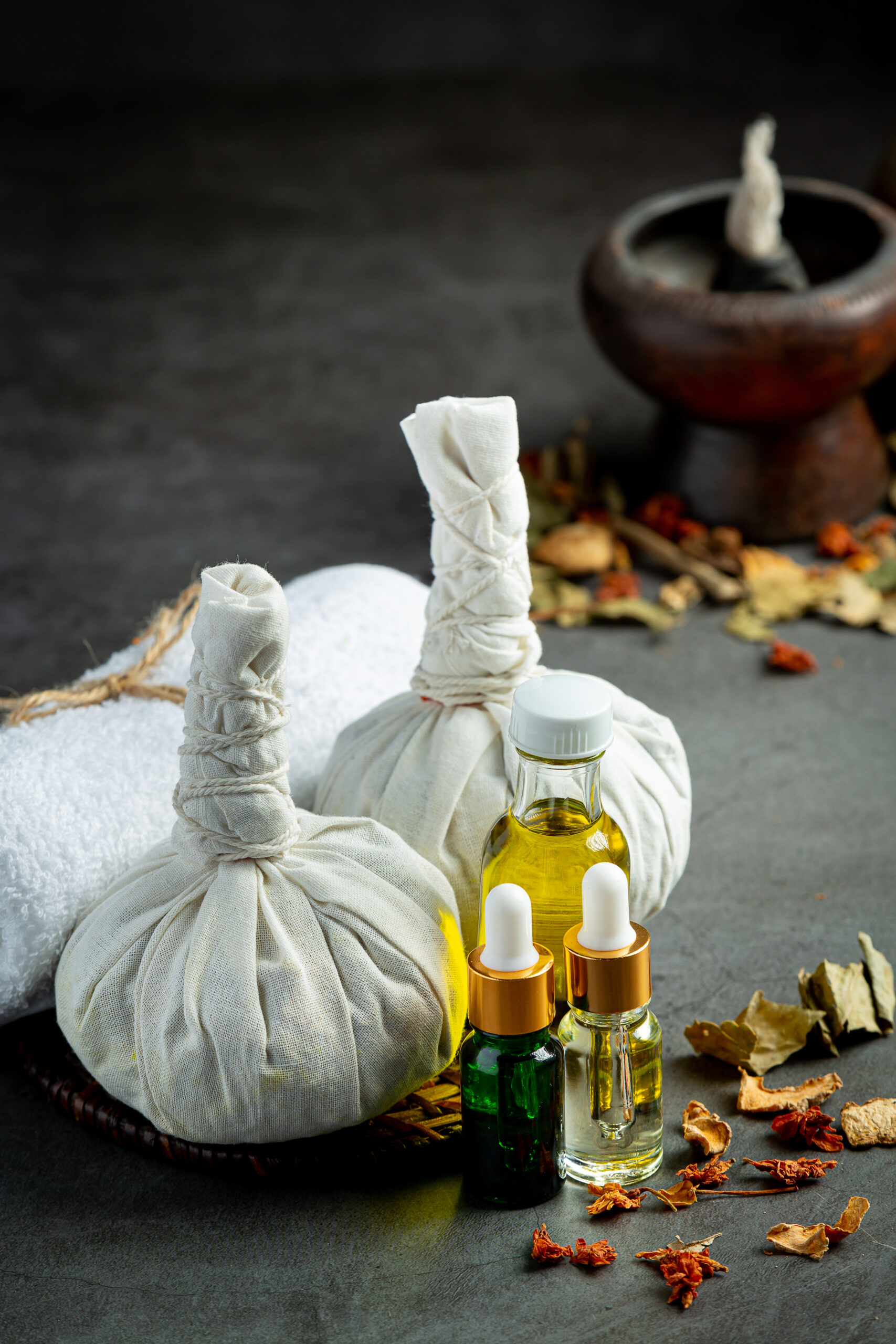
Dashmularishta (Introduction, Benefits, and Usages)
Dashmularishta benefits are centred on postpartum recovery, Vata disorders, respiratory conditions, and general debility – making this classical Ayurvedic fermented tonic one of the most important polyherbal formulations in the entire Ayurvedic pharmacy. The name itself explains the formulation: “Dashmula” (ten roots) combined with “arishta” (a self-generated fermented preparation). The fermentation process creates a low-alcohol medium that enhances bioavailability of active compounds from ten medicinal roots – making Dashmularishta one of Ayurveda’s most sophisticated pharmacological achievements. See Wikipedia: Dashamoola. For related tonics, explore Shatavari and Ashwagandha.
What Is Dashmularishta? A Complete Introduction
Origin and History of Dashmularishta
Dashmularishta is a classical Ayurvedic formulation described in the Ashtanga Hridayam and Charaka Samhita. The “Dashmula” (ten roots) comprise Bilva, Agnimantha, Syonaka, Gambhari, Patala (the five large roots – Brihat Panchamula) and Shalparni, Prishnaparni, Brhati, Kantakari, Gokshura (the five small roots – Laghu Panchamula). This combination has been used in Ayurvedic practice for over 2,000 years for postpartum recovery, respiratory conditions, and neuromuscular disorders.
Key Compounds and Active Ingredients
Each of the ten Dashmula roots contributes distinct active compounds. Bilva (bael) provides aegelin and alkaloids for respiratory and digestive support. Gambhari provides terpene glycosides for Vata reduction. Gokshura provides saponins for diuretic and anti-inflammatory action. Kantakari provides alkaloids specifically for respiratory support. The fermentation process using jaggery and Dhataki flowers generates 5-10% alcohol that dramatically improves extraction of fat-soluble compounds from the roots and acts as a natural preservative – a uniquely intelligent Ayurvedic pharmaceutical technique.
Top Health Benefits of Dashmularishta
Dashmularishta Benefits for Postpartum Recovery
Dashmularishta’s most well-documented clinical application is postpartum (post-delivery) recovery. The combination of anti-inflammatory, uterine tonic, iron-rich, and Vata-balancing properties makes it the standard Ayurvedic prescription for new mothers. It supports uterine involution (recovery to pre-pregnancy size), addresses postpartum Vata disturbance (the dominant dosha disturbance after delivery), improves digestion weakened during labour, supports lactation, combats postpartum anaemia, and restores strength. It is one of the most universally prescribed Ayurvedic medicines in post-natal care across traditional Indian households.
Dashmularishta for Respiratory and Neurological Health
The Dashmula combination is specifically indicated in classical Ayurveda for Shvasa (asthma, breathlessness) and Kasa (cough, bronchitis). The anti-inflammatory and bronchodilatory properties – particularly from Bilva, Kantakari, and Gambhari – provide respiratory benefit. For neuromuscular and musculoskeletal conditions (Vata-type disorders including sciatica, paralysis, tremors, and body pain), Dashmularishta’s profound Vata-pacifying action makes it a first-line classical recommendation. For men and non-postpartum women, it’s prescribed for chronic musculoskeletal pain, fatigue, and debility.
Medicinal Properties of Dashmularishta
How Dashmularishta Works as a Natural Remedy
The Arishta fermentation method creates unique pharmacology. Fermentation does three things: generates alcohol that dramatically improves extraction of fat-soluble active compounds; creates fermentation byproducts (organic acids, esters) with their own therapeutic activity; and produces a naturally preserved formulation with extended shelf life. The 5-10% alcohol content enhances bioavailability and acts as a carrier (Yogavahi) directing the medicine’s actions to deeper tissues. Research on individual Dashmula herbs confirms anti-inflammatory, bronchodilatory, adaptogenic, and anti-spasmodic activities consistent with classical applications.
Dashmularishta in Ayurveda
In Ayurveda, Dashmularishta is classified as Vata-Kapha reducing and acts primarily on Rasa (plasma), Rakta (blood), and Mamsa (muscle) dhatus. Classical Ayurvedic texts describe Sutika Paricharya (postpartum care) as including Dashmularishta as a primary medicine for the first 45 days after delivery. It pairs with Shatavari for lactation and with Ashwagandha for strength restoration. For respiratory use, it pairs with Vasaka in classical protocols.
How to Use Dashmularishta
Dosage and Preparation
Standard dosage is 15-30 ml twice daily after meals, diluted with equal quantity of water, as directed by an Ayurvedic physician. The timing after meals is important – Arishtas are prescribed after food to leverage the active digestive fire. For postpartum use, typically started 3-5 days after delivery and continued for 30-45 days. Available from all major Ayurvedic pharmacies (Dabur, Baidyanath, Himalaya, Zandu, AVP). Always choose established brands complying with AYUSH ministry standards.
Who Should Use Dashmularishta
Primary candidates: new mothers in the postpartum period (45 days), people with chronic Vata disorders (sciatica, body pain, tremors, weakness), chronic respiratory conditions (asthma, chronic bronchitis), and general debility and fatigue. Though most famous for postpartum use, men and non-postpartum women benefit equally for musculoskeletal and respiratory applications. Always consult an Ayurvedic practitioner for proper dosage and duration personalisation.
Side Effects and Precautions of Dashmularishta
- Alcohol content: contains 5-10% self-generated alcohol – avoid if abstaining for religious or medical reasons
- Diabetes caution: contains jaggery – diabetics should use under physician supervision and monitor blood sugar
- Children: not recommended for young children due to alcohol content
- Drug interactions: discuss with physician if taking prescription medications, particularly hormonal therapies or sedatives
Frequently Asked Questions About Dashmularishta
What are the main Dashmularishta benefits?
Primary Dashmularishta benefits: postpartum uterine recovery and strength restoration, correction of Vata imbalance, respiratory support for asthma and chronic cough, neuromuscular support for sciatica and weakness, digestive strength improvement, iron supplementation through the mineral content, and adaptogenic resistance to stress and fatigue.
When to take Dashmularishta after delivery?
Typically started 3-7 days post-delivery, after initial recovery, continued for 30-45 days as part of Sutika Paricharya (postpartum care regimen). Standard dosage: 15-30 ml twice daily after meals, diluted with equal water. Consult your Ayurvedic practitioner for personalised dosage based on constitution and recovery progress.
Can men take Dashmularishta?
Absolutely – Dashmularishta is prescribed to men for Vata disorders (body pain, sciatica, weakness), respiratory conditions (chronic cough, asthma), and general debility. The Dashmula roots’ Vata-balancing, anti-inflammatory, and tonifying properties benefit anyone with these conditions regardless of gender.
Dashmularishta benefits reflect 2,000+ years of Ayurvedic clinical wisdom in a single fermented formulation. If approaching delivery or supporting a new mother, discuss Dashmularishta with a qualified Ayurvedic practitioner – the classical 45-day postpartum protocol is one of traditional medicine’s most complete and evidence-supported recovery programmes.
Add comment