
Devdaru (Introduction, Benefits, and Usages)
Devdaru – Introduction, Benefits, and Usages
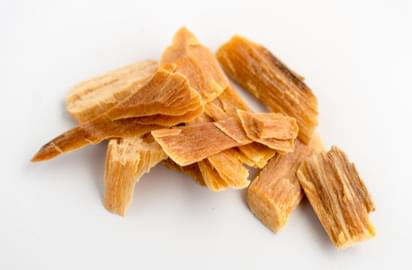
Devdaru benefits come from one of the Himalayan region’s most sacred and medicinally powerful trees – the Himalayan cedar (Cedrus deodara), whose very name in Sanskrit means “timber of the gods” (Deva = god, Daru = timber). This magnificent conifer has been used in Ayurvedic medicine for thousands of years for anti-inflammatory, antimicrobial, antifungal, and analgesic properties. The essential oil from the heartwood is the primary medicinally active form. Modern pharmacological research on Devdaru’s sesquiterpene-rich essential oil has confirmed traditional applications with remarkable consistency. See Wikipedia: Cedrus deodara. For related Himalayan herbs, explore Shilajit and Ashwagandha.
What Is Devdaru? A Complete Introduction
Origin and History of Devdaru
Devdaru (Cedrus deodara), the Himalayan or deodar cedar, is a large evergreen conifer native to the western Himalayan ranges, growing between 1,500 and 3,200 metres altitude in Afghanistan, Pakistan, India (Himachal Pradesh, Uttarakhand, Kashmir), and Nepal. It is the national tree of Pakistan. The tree is considered sacred in Hinduism – ancient Vedic texts and classical Ayurvedic literature including the Charaka Samhita and Ashtanga Hridayam describe Devdaru as one of the most important Vata-reducing, anti-inflammatory, and pain-relieving trees in the Himalayan pharmacopoeia. Ancient Indian temples were traditionally constructed from Devdaru wood – both for beauty and preservation properties (the essential oil naturally repels insects and fungi).
Key Compounds and Active Profile
Devdaru heartwood essential oil contains rich sesquiterpene hydrocarbons and oxygenated sesquiterpenes. Himachalol and allohimachalol – sesquiterpene alcohols unique to Himalayan cedar – have documented anti-inflammatory, analgesic, antifungal, and sedative properties. Alpha- and beta-himachalene are major sesquiterpene hydrocarbons with insect-repellent and antimicrobial activity. Atlantone (a sesquiterpene ketone) has potent antifungal activity against Candida and dermatophytes. The wood also contains lignans, terpenoids, and flavonoids. See Wikipedia: Himachalol.
Top Health Benefits of Devdaru
Devdaru Benefits for Immunity and Overall Health
Devdaru’s primary validated benefits are anti-inflammatory and analgesic – particularly for musculoskeletal conditions like arthritis, rheumatism, and muscle pain. Research confirms significant anti-inflammatory activity through inhibition of COX-2 (cyclooxygenase-2) – the enzyme targeted by NSAIDs like ibuprofen – but without gastric side effects of pharmaceutical NSAIDs. The analgesic activity has been confirmed in animal models showing pain-threshold elevation comparable to standard analgesics. Antifungal applications are particularly well-evidenced – the essential oil shows broad-spectrum antifungal activity against Candida albicans, Aspergillus, and dermatophytes causing ringworm, athlete’s foot, and nail fungus.
Devdaru for Skin, Hair, and Beauty
Devdaru essential oil’s antifungal activity makes it specifically valuable for skin and scalp fungal conditions – dermatophyte-caused ringworm, tinea versicolor, and scalp seborrheic dermatitis related to Malassezia fungus. The anti-inflammatory himachalol compounds reduce skin inflammation relevant to eczema, contact dermatitis, and psoriasis when applied topically in a carrier oil. Traditional Ayurvedic skin preparations use Devdaru as a component in oils and pastes for inflammatory skin conditions. For hair, Devdaru oil applied to scalp provides both antifungal and anti-inflammatory benefits – potentially reducing dandruff and scalp irritation.
Medicinal Properties of Devdaru
How Devdaru Works as a Natural Remedy
The sesquiterpenes in Devdaru essential oil act on multiple pharmacological targets: COX-2 inhibition for anti-inflammatory and analgesic effects; direct membrane disruption of fungal cells for antifungal activity (through interaction with ergosterol in fungal cell membranes – the same target as pharmaceutical antifungals); and GABA-A receptor modulation for mild sedative and anxiolytic properties. Research confirms Devdaru extract significantly reduces acute and chronic inflammation in experimental models. For urinary conditions, Devdaru has documented diuretic activity used in treatment of Mutraghata (urinary retention) in classical Ayurveda.
Devdaru in Ayurveda and Traditional Medicine
In Ayurveda, Devdaru is classified as pungent and bitter in taste, hot in potency, light and dry in quality, strongly Vata-Kapha pacifying. The Charaka Samhita places it among the most important herbs for Vata disorders, Kasa (cough), Shvasa (breathlessness), Prameha (urinary disorders including diabetes), and Kushtha (skin diseases). Classical formulations containing Devdaru include Devdarvadi Kwatha (respiratory conditions), and numerous Taila preparations for musculoskeletal conditions. The traditional practice of burning Devdaru wood for fumigation (Dhumapana) is an ancient Ayurvedic antimicrobial air purification technique. Pairs with Nirgundi for musculoskeletal pain.
How to Use Devdaru – Practical Usages
Devdaru in Decoction and Internal Use
Devdaru is primarily a medicinal herb, not a culinary ingredient. Devdaru decoction (Kwatha): boil 10g of Devdaru heartwood powder in 400ml water, reduce to 100ml, strain and drink twice daily for anti-inflammatory and respiratory conditions. Devdaru churna: 1-3g of heartwood powder mixed with honey or warm water, taken twice daily under Ayurvedic physician guidance for Vata disorders, respiratory conditions, and urinary health. Classical Devdarvadi Kwatha combines Devdaru with other herbs for respiratory and rheumatic conditions.
Devdaru as a Supplement or Topical Application
Topical essential oil: dilute Devdaru essential oil to 2-3% in a carrier oil (coconut, sesame) and apply to arthritic joints, muscle pain areas, or fungal skin infections for anti-inflammatory and antifungal benefit. For scalp fungal issues, massage diluted Devdaru oil into scalp 30 minutes before washing. Aromatherapy: Devdaru/cedarwood essential oil diffused in the bedroom has mild sedative and anxiety-reducing effects – supported by both traditional Ayurvedic fumigation practices and modern aromatherapy research. Devdaru powder is available from Ayurvedic pharmacies for internal medicinal preparations.
Side Effects and Precautions of Devdaru
- Never consume undiluted essential oil: Devdaru essential oil must always be diluted before topical application; internal use of essential oil is contraindicated
- Pregnancy: high doses of Devdaru may stimulate uterine activity – avoid therapeutic doses during pregnancy; discuss with Ayurvedic physician
- Skin sensitisation: some individuals develop contact dermatitis to cedarwood essential oil – patch test before widespread topical use
- Drug interactions: the mild sedative properties may potentiate CNS depressants – avoid high-dose use with sedative medications
Frequently Asked Questions About Devdaru
What are the main Devdaru benefits?
Key Devdaru benefits: anti-inflammatory and analgesic activity (COX-2 inhibition) for arthritis and musculoskeletal pain, broad-spectrum antifungal activity for skin and nail fungal infections, diuretic action for urinary conditions, mild sedative and anxiolytic effects useful for sleep and anxiety, respiratory support for cough and asthma through Devdarvadi Kwatha, and antimicrobial fumigation properties.
What is Devdaru used for in Ayurveda?
In Ayurveda, Devdaru is primarily used for Vata disorders (body pain, sciatica, musculoskeletal conditions), Kasa-Shvasa (cough and breathlessness), Prameha (urinary and metabolic disorders), and Kushtha (skin diseases). The heartwood decoction for internal use and the oil preparations for external musculoskeletal application are the two main classical formats. It’s considered one of the most important Himalayan medicinal trees in the classical Ayurvedic pharmacopoeia.
Is Devdaru the same as cedarwood essential oil?
Partially – “Devdaru” specifically refers to Cedrus deodara (Himalayan cedar). Common cedarwood essential oils include Atlas cedar (Cedrus atlantica), Virginian cedarwood (Juniperus virginiana), and Texas cedarwood (Juniperus ashei) – all different plants with different chemical compositions. For authentic Ayurvedic Devdaru applications, ensure you’re using Cedrus deodara specifically, as the sesquiterpene composition varies significantly between species.
Devdaru benefits are rooted in Himalayan tradition and confirmed by modern essential oil pharmacology. Whether using the wood decoction internally for musculoskeletal pain and respiratory support, or the essential oil topically for fungal conditions and joint pain, Devdaru brings the therapeutic richness of the Himalayan forest into accessible daily medicine. The “timber of the gods” has earned its divine name through genuine medicinal efficacy spanning thousands of years.
Add comment