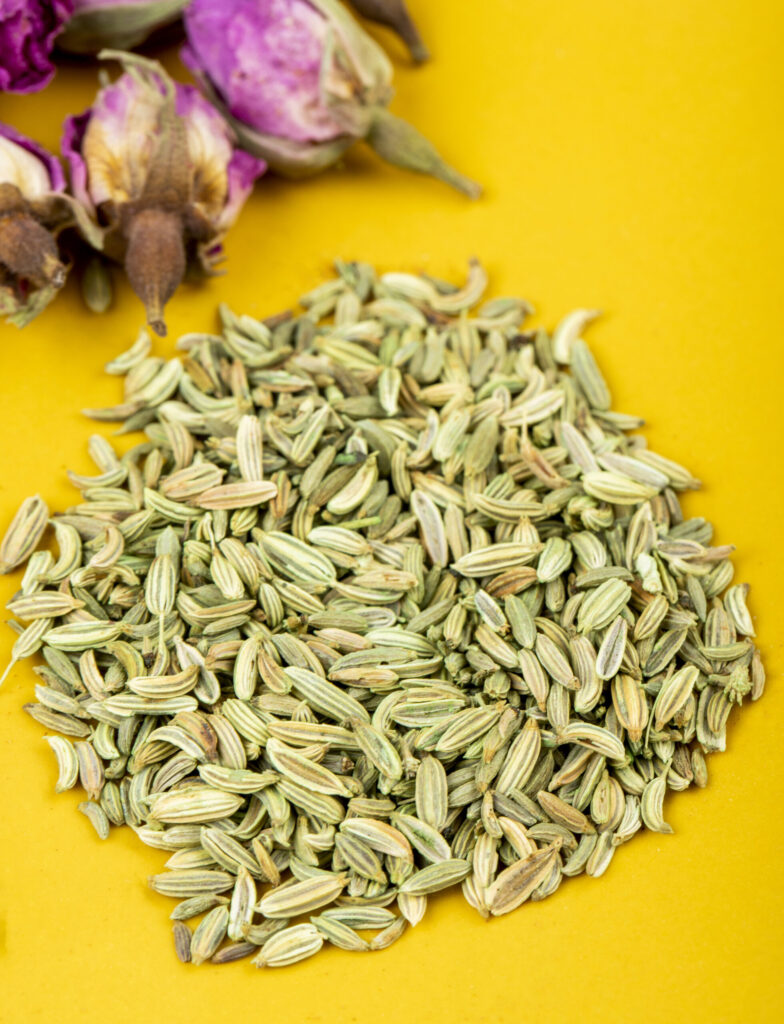
Fennel seeds benefits make Foeniculum vulgare one of Ayurveda’s most celebrated and versatile digestive herbs – soothing infant colic, relieving adult bloating and indigestion, supporting menstrual health, promoting lactation, and providing antimicrobial and antioxidant protection through its exceptional volatile oil content. Every Indian household knows fennel (Saunf) – served after meals as a digestive aid, used in masala chai, and given to nursing mothers. The popularity is deserved and thoroughly evidence-based. See Wikipedia: Fennel. For complementary digestive herbs, explore Cumin and Dhania.
What Is Fennel Seeds? A Complete Introduction
Origin and History of Fennel Seeds
Fennel (Foeniculum vulgare) originated in the Mediterranean basin – used in ancient Egypt, Greece, and Rome for both culinary and medicinal purposes. It was brought to India through ancient trade routes and became integrated into Ayurvedic medicine as Shatapushpa (Sanskrit) or Madhurika. Classical Ayurvedic texts describe fennel seeds as a primary digestive and carminative herb, a galactagogue (lactation promoter), and a gentle Vata-Pitta-reducing spice safe for all ages including infants. Today, India is the world’s largest producer of fennel seeds.
Key Compounds and Nutritional Profile
Fennel seed essential oil is dominated by trans-anethole (60-75%) – the compound responsible for the characteristic anise-like aroma and the primary medicinally active molecule. Fenchone (15-25%) has bitter properties and additional antimicrobial activity. The seeds contain significant fibre, calcium, potassium, iron, and flavonoids including quercetin and kaempferol. Trans-anethole has phytoestrogenic activity (weak oestrogen-like effects) that explains the galactagogue and menstrual-regulating traditional applications. See Wikipedia: Anethole.
Top Health Benefits of Fennel Seeds
Fennel Seeds Benefits for Digestion and Overall Health
Fennel’s digestive benefits are among the most comprehensively validated in herbal medicine. For infant colic – a randomised trial found fennel seed oil emulsion eliminated colic in 65% of infants compared to 23.7% in the placebo group, with significant superiority. Trans-anethole’s antispasmodic action on intestinal smooth muscle reduces painful cramping. For adults with IBS, multiple trials confirm fennel reduces symptoms significantly. The carminative mechanism – reducing gas production and increasing gas expulsion – is one of fennel’s most immediate and reliable effects.
Fennel Seeds for Hormonal Health and Lactation
Trans-anethole’s phytoestrogenic activity gives fennel seeds documented hormonal applications. As a galactagogue, fennel seeds have traditional use across cultures and preliminary research support. For menstrual health, a clinical trial found fennel extract as effective as ibuprofen for reducing menstrual pain severity – providing a natural non-NSAID option for primary dysmenorrhoea. The antispasmodic action on uterine smooth muscle explains this application and makes fennel tea one of the most evidence-supported natural remedies for period pain.
Medicinal Properties of Fennel Seeds
How Fennel Seeds Work as a Natural Remedy
Trans-anethole’s antispasmodic mechanism targets smooth muscle calcium channels – reducing calcium influx into smooth muscle cells causes relaxation in the gastrointestinal tract, bronchi, and uterus. This single mechanism explains multiple traditional applications: digestive antispasmodic for bloating and cramping, bronchodilator for asthma and cough (fennel tea is a traditional respiratory remedy), and antidysmenorrhoeic for menstrual pain. The antibacterial activity of fennel essential oil against H. pylori (the bacterium causing gastric ulcers) provides an additional digestive health mechanism.
Fennel Seeds in Ayurveda and Traditional Medicine
In Ayurveda, fennel seeds (Shatapushpa/Madhurika) are classified as sweet, slightly pungent, cooling, and Tridosha-balancing – one of the few spices safe and beneficial for Pitta. Most spices are heating and Pitta-aggravating, but fennel’s cooling nature makes it appropriate even for Pitta-dominant people. Ayurvedic indications include Ajirna (indigestion), Udara Shoola (abdominal colic), Shula (pain), and as a digestive remedy for infants and pregnant women. The CCF tea (Cumin-Coriander-Fennel) is the most universally recommended Ayurvedic digestive preparation. Pairs with Cumin and Dhania in CCF tea.
How to Use Fennel Seeds – Practical Usages
Fennel Seeds in Food, Tea, and Cooking
Chew a teaspoon of whole fennel seeds after meals – the most traditional and immediate digestive application. Fennel tea: steep 1-2 teaspoons of bruised fennel seeds in hot water for 10 minutes, strain, drink warm for digestive complaints, menstrual pain, or respiratory support. CCF Tea: equal parts cumin, coriander, and fennel seeds boiled in water – the classic Ayurvedic digestive formula. For infant colic: fennel seed tea (brewed weakly, cooled) or commercial fennel water preparations – always consult a paediatrician before giving any herbal preparations to infants.
Fennel Seeds as a Supplement or Topical Application
Fennel seed extract capsules (standardised to anethole content) at 100-300 mg daily are used for IBS, bloating, and dysmenorrhoea. Fennel essential oil (1-2% dilution in carrier oil) can be massaged into the abdomen for digestive cramps and colic. For lactation support, fennel seed tea 2-3 cups daily is the traditional preparation – consult a lactation specialist or Ayurvedic physician for guidance. Fennel is also available as a food-grade glycerite (alcohol-free extract) for children as an infant colic preparation.
Side Effects and Precautions of Fennel Seeds
- Oestrogen-sensitive conditions: the phytoestrogenic trans-anethole may be a concern for women with oestrogen receptor-positive breast cancer at high supplemental doses; culinary amounts are generally safe
- Allergy: fennel belongs to the Apiaceae family – cross-reactive allergy possible with carrot, celery, and related plants
- Infants: commercial fennel preparations are safe for infant colic but always consult a paediatrician; avoid concentrated essential oil for infants
- Drug interactions: fennel can inhibit ciprofloxacin absorption – separate by 2 hours if taking this antibiotic
Frequently Asked Questions About Fennel Seeds
What are the main fennel seeds benefits?
Primary fennel seeds benefits: carminative (gas reduction) and antispasmodic relief of bloating, cramping, and IBS; infant colic reduction (RCT evidence); menstrual pain reduction comparable to ibuprofen (clinical trial evidence); galactagogue supporting lactation; respiratory antispasmodic for cough; H. pylori antibacterial activity; antioxidant flavonoid protection; and safe Pitta-Vata balancing digestive spice for all ages including infants.
Can fennel seeds reduce menstrual pain?
Yes – a randomised controlled trial directly compared fennel seed extract to ibuprofen for primary dysmenorrhoea (painful periods without underlying pathology) and found them equivalent in pain reduction. The antispasmodic trans-anethole relaxes uterine smooth muscle, reducing the cramping intensity. Fennel tea (2-3 cups daily, starting 2 days before expected period) is the practical preparation for menstrual pain management.
Is fennel tea good for infants?
Fennel seed tea has Level I clinical evidence for infant colic – a randomised trial found 65% of infants’ colic was eliminated with fennel seed oil emulsion versus 23.7% with placebo. Commercial fennel water preparations (gripe water with fennel) are a long-standing safe option. Always consult your paediatrician before starting any herbal preparation in infants, particularly under 4 months. Brew very weakly (much weaker than adult tea) and give 1-2 teaspoons, not full cups.
Fennel seeds benefits are accessible and immediate – this is one of the very few herbal medicines with randomised trial evidence for multiple applications in the same plant: infant colic, adult IBS, menstrual pain, and lactation support all backed by clinical research. Chew them after meals, brew them as CCF tea for digestion, drink fennel tea for period pain, and grow a fennel plant at home if you have a garden – this Mediterranean herb earns its place in every kitchen and medicine cabinet.