
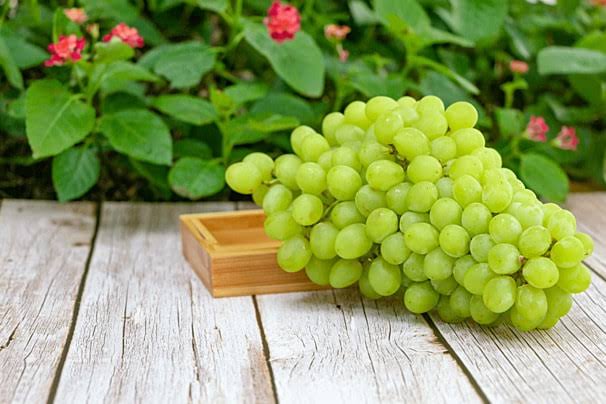
Grapes (Introduction, Benefits, and Usages)
Grapes are among the oldest cultivated fruits in human history, with archaeological evidence of viticulture (grape cultivation) dating back over 8,000 years to the ancient Near East, and with wild grapes consumed long before formal cultivation began. The fruit of Vitis vinifera and related Vitis species, grapes have sustained civilizations as a food, a beverage base (wine, juice, vinegar), and a medicine across every major ancient culture — Egyptian, Mesopotamian, Greek, Roman, Indian, and Chinese. Today grapes are among the world’s most important agricultural crops, grown on every inhabited continent, valued as much for their medicinal properties as their culinary ones.
Grapes benefits are extraordinary for a common table fruit. Modern research has identified grapes and grape-derived products (red wine, grape seed extract, resveratrol supplements) as among the richest dietary sources of powerful polyphenolic antioxidants — particularly resveratrol, quercetin, catechins, and anthocyanins — that provide documented cardiovascular, anti-cancer, neuroprotective, and anti-inflammatory effects. In Ayurveda, grapes (Draksha) are classified as one of the most nourishing, strength-building, and Ojas-enhancing fruits — a Rasayana food that benefits all constitutions and is used in classical formulations like Drakshasava. See Wikipedia: Grape and for related fruits, see Dates.
What Are Grapes and What Makes Them Medicinally Valuable?
Grapes come in hundreds of varieties — table grapes (for eating), wine grapes (for fermentation), raisin grapes (for drying), and seed-producing varieties for oil extraction — each with slightly different nutrient and phytochemical profiles. The medicinal value comes primarily from the polyphenolic compounds concentrated in the skin and seeds: resveratrol (a stilbene with remarkable anti-aging and cardiovascular properties), oligomeric proanthocyanidins (OPCs in grape seeds — potent antioxidants), anthocyanins (giving red/purple grapes their color, with cardiovascular and anti-inflammatory benefits), quercetin, catechins, and various flavonoids.
Fresh grapes also provide meaningful amounts of Vitamin C, Vitamin K1, potassium, copper, and B vitamins. The sugar content (primarily glucose and fructose) provides natural energy, while the fiber content moderates the glycemic impact. Raisins (dried grapes) concentrate nutrients and energy but lose some heat-sensitive vitamins during drying.
Grapes in Ayurveda: Draksha — The Fruit of the Gods
In Ayurvedic medicine, Draksha (grapes) holds a particularly elevated status — the Charaka Samhita lists them among the best fruits for health and considers them superior to most other fruits in their nourishing, strength-building, and tridoshic balancing properties. Grapes are classified as sweet, cooling, and nourishing — reducing Vata and Pitta while generally not excessively increasing Kapha in moderate amounts. They are considered Ojas-building (building vital essence and immunity), Balya (strength-giving), Shramanashana (relieving fatigue), and Hridya (heart-benefiting).
The classical Ayurvedic fermented preparation Drakshasava (grape wine preparation) and Drakshadi Kashaya (grape decoction) are important formulations for digestive health, respiratory conditions, and as general tonics. Fresh grape juice is considered a cooling, Pitta-reducing tonic in Ayurvedic dietary therapy, while raisins (soaked overnight) are a classical Ayurvedic remedy for constipation, anemia, and fatigue.
Ayurvedic Properties of Grapes
- Rasa (Taste): Madhura (sweet), Amla (sour) — particularly in less ripe varieties
- Guna (Quality): Guru (heavy), Snigdha (unctuous)
- Virya (Potency): Sheeta (cooling)
- Vipaka (Post-digestive taste): Madhura (sweet)
- Dosha action: Reduces Vata and Pitta; may mildly increase Kapha in excess
Key Health Benefits of Grapes
1. Cardiovascular Health
Grapes are one of the most heart-healthy fruits available. Resveratrol reduces LDL oxidation (a key step in atherosclerosis), inhibits platelet aggregation (reducing clot risk), improves endothelial function (the health of blood vessel lining), and activates SIRT1 (a longevity gene associated with cardiovascular protection). Quercetin and other flavonoids reduce inflammation in blood vessels. The OPCs (oligomeric proanthocyanidins) in grape seeds improve vascular tone and reduce blood pressure. The “French paradox” — the observation that French populations with high fat consumption have relatively low cardiovascular disease rates — was partially attributed to their high red wine (grape polyphenol) consumption, sparking decades of cardiovascular grape research.
2. Antioxidant Power
Grape skin and seed extracts rank among the highest antioxidant foods in ORAC (Oxygen Radical Absorbance Capacity) testing. The OPCs in grape seed extract are considered 20 times more powerful than Vitamin E and 50 times more powerful than Vitamin C as antioxidants. This extraordinary antioxidant capacity protects cellular DNA, proteins, and lipids from oxidative damage — reducing the cellular aging and inflammation that underlies most chronic diseases. Regular grape consumption provides meaningful cellular antioxidant protection that extends to virtually every organ system.
3. Anti-cancer Properties
Resveratrol in grapes is one of the most extensively studied naturally occurring anti-cancer compounds. Laboratory and animal research has documented its ability to inhibit all three stages of cancer development: initiation (protecting DNA from carcinogen damage), promotion (inhibiting cancer cell proliferation), and progression (inducing apoptosis in established cancer cells, inhibiting tumor angiogenesis). Epidemiological studies show associations between grape consumption and reduced risk of colorectal, prostate, and breast cancers. While definitive human cancer treatment trials have not established grape-derived compounds as pharmaceutical cancer treatments, their cancer-preventive properties at dietary intake levels are increasingly supported by evidence.
4. Brain Health and Neuroprotection
Grape polyphenols — particularly resveratrol and OPCs — have demonstrated neuroprotective effects in multiple studies. Resveratrol activates SIRT1 deacetylase, which promotes neuronal survival and reduces amyloid-beta production (the protein that accumulates in Alzheimer’s disease). A clinical trial found that regular grape juice consumption improved memory and driving performance in older adults with mild cognitive decline. The antioxidant and anti-inflammatory effects of grape polyphenols reduce neuroinflammation — a key driver of cognitive decline and neurodegeneration.
5. Blood Sugar Management
Despite their natural sweetness, grapes have a moderate glycemic index (approximately 53) due to their fiber, antioxidant, and polyphenol content. Resveratrol and other grape polyphenols improve insulin sensitivity and reduce post-meal blood glucose spikes by inhibiting carbohydrate-digesting enzymes. Clinical research has confirmed that grape polyphenol supplementation improves insulin sensitivity and reduces inflammatory markers in metabolic syndrome patients. The classic Ayurvedic classification of grapes as appropriate for Prameha (metabolic/urinary conditions including diabetes) reflects this blood sugar-moderating effect.
6. Skin Health and Anti-aging
The OPCs in grape seed extract protect skin collagen from oxidative degradation — reducing wrinkles, improving skin elasticity, and protecting against UV-induced photoaging. Resveratrol activates SIRT1, a longevity gene that promotes cellular repair and may genuinely slow cellular aging. Grape seed extract is widely used in cosmetic and dermatological products for its collagen-protecting, anti-inflammatory, and antioxidant properties. Clinical trials have confirmed improved skin texture and elasticity with grape seed extract supplementation.
How to Use Grapes
Fresh Grapes
Eat 1–2 cups (about 150–300g) of fresh grapes daily, preferably with the skin (which contains most resveratrol). Red and dark purple varieties contain higher anthocyanin and resveratrol concentrations than green varieties. Washing thoroughly before eating is important, as grapes are one of the highest-pesticide-residue fruits — choose organic when possible.
Soaked Raisins (Draksha Phala)
Soak 10–15 raisins overnight in water. Eat the raisins and drink the soaking water in the morning for Ayurvedic benefits including constipation relief, energy building, blood-building (for anemia), and cooling. This is one of the simplest and most widely prescribed Ayurvedic home remedies for general debility, constipation, and Pitta imbalance.
Grape Seed Extract Supplement
For concentrated OPC and antioxidant benefits, standardized grape seed extract (standardized to 95% OPC content) at 100–300 mg daily provides therapeutic amounts of these compounds without the sugar content of fresh grapes. This is the form used in most clinical trials for cardiovascular, skin, and cognitive applications.
Possible Side Effects and Precautions
Grapes are extremely safe as a food. Grape seed extract may interact with blood thinning medications (slight antiplatelet effect) — inform your doctor if taking anticoagulants. People with diabetes should monitor blood sugar response, as grapes do contain natural sugars. Grapes and raisins are highly toxic to dogs — keep all grape products away from pets. Resveratrol supplements in very high doses may have estrogenic effects — people with estrogen-sensitive conditions should be cautious with high-dose resveratrol supplements (regular grape consumption in food amounts is safe).
Frequently Asked Questions About Grapes
Are red grapes healthier than green grapes?
Yes, generally. Red and dark purple grapes contain significantly higher concentrations of resveratrol and anthocyanins than green grapes. These compounds are responsible for most of grapes’ most important medicinal properties. Green grapes are still nutritious but have lower polyphenol concentrations than their dark counterparts.
What does Ayurveda say about grapes?
Ayurveda considers grapes (Draksha) one of the best fruits — tridoshic, Ojas-building, strength-giving, and heart-benefiting. They are among the few sweet, heavy fruits appropriate for all constitutions in moderate amounts. Raisins soaked overnight are a classic Ayurvedic home remedy for constipation, anemia, and general debility.
Is grape juice as healthy as eating whole grapes?
Fresh grape juice retains most polyphenols but lacks the fiber of whole grapes. Commercial grape juice may be pasteurized (which reduces some polyphenol activity) and often has added sugar. Eating whole grapes — particularly dark varieties with seeds — provides the most comprehensive nutritional and medicinal benefit from all parts of the fruit.
What is resveratrol and why is it in grapes?
Resveratrol is a stilbene compound that grapevines produce in response to infection, injury, and UV radiation — essentially as a natural antimicrobial and protective compound for the plant. Humans benefit from consuming it because resveratrol activates SIRT1 (a longevity-associated gene), has cardiovascular protective effects, anti-cancer properties, and neuroprotective effects. Red grape skin is the richest natural dietary source of resveratrol. Read more at Wikipedia: Resveratrol.
Conclusion
Grapes deserve their ancient status as one of humanity’s most treasured fruit medicines. From cardiovascular protection through resveratrol and OPCs, to anti-cancer, neuroprotective, blood sugar-moderating, and skin-rejuvenating properties — grapes are a genuinely medicinal food whose benefits extend far beyond simple nutrition. Whether consumed fresh, as soaked raisins in the Ayurvedic tradition, as grape seed extract supplement, or as part of classical fermented preparations like Drakshasava, grapes benefits represent one of nature’s most complete and accessible packages of preventive medicine in a delicious, universally available form.

Add comment