
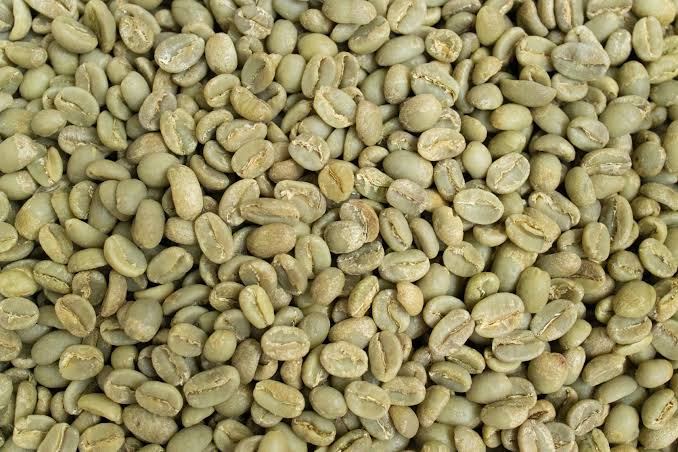
Green Coffee (Introduction, Benefits, and Usages)
Green coffee benefits differ significantly from roasted coffee — the unroasted beans retain chlorogenic acids (CGAs) that are largely destroyed during roasting, giving green coffee a distinct pharmacological profile with documented effects on blood sugar, blood pressure, weight management, and antioxidant protection. Green coffee extract has become one of the most popular weight management supplements globally, with clinical trials backing its modest but real metabolic effects. See Wikipedia: Green coffee extract. For related metabolic herbs, explore Green Tea and Gudmar.
What Is Green Coffee? A Complete Introduction
Origin and History of Green Coffee
Green coffee refers to raw, unroasted coffee beans from Coffea arabica or Coffea canephora (robusta). Coffee has been cultivated in Ethiopia since at least the 9th century, spread across the Arabian Peninsula by the 15th century, and reached Europe by the 17th century. Traditional Arabian and Ethiopian medicine used raw coffee preparations medicinally — long before the roasting process became standard. In Yemen, a traditional coffee husk drink (Qishr) preserved more of the raw coffee’s medicinal compounds. The modern interest in green coffee extract as a distinct supplement began in the early 2000s when researchers identified that chlorogenic acids — largely preserved in unroasted beans — had significant glucose-modulating and antioxidant properties absent in roasted coffee.
Key Compounds and Nutritional Profile
Green coffee’s primary therapeutic compounds are chlorogenic acids (CGAs) — a family of esters of caffeic acid and quinic acid. The most abundant is 5-caffeoylquinic acid (5-CQA). Roasting destroys 50–95% of CGAs through thermal degradation, which is why green and roasted coffee have such different health profiles. Green coffee also contains caffeine (lower levels than roasted coffee due to lower extraction efficiency from raw beans), caffeic acid, ferulic acid, and trigonelline. CGAs’ primary mechanisms are: inhibition of glucose-6-phosphatase (reducing hepatic glucose production), slowing of glucose absorption in the gut, improvement of insulin sensitivity, and antioxidant activity. See Wikipedia: Chlorogenic acid.
Top Health Benefits of Green Coffee
Green Coffee Benefits for Metabolism and Overall Health
Green coffee’s weight management effects are its most studied application. A 2011 randomised, double-blind, placebo-controlled crossover study found green coffee extract (800 mg daily, providing 400 mg chlorogenic acids) produced significant weight loss and body fat reduction over 22 weeks compared to placebo. A meta-analysis of 3 randomised trials found green coffee supplementation reduced body weight by an average of 2.5 kg and BMI by 0.79 compared to placebo. The mechanism involves CGA-driven reduction in fat absorption, decreased hepatic glucose production, and modest thermogenic effects from caffeine.
For blood pressure, a systematic review found green coffee extract supplementation significantly reduced both systolic and diastolic blood pressure in hypertensive adults — effects attributed to CGA-induced vasodilation and antioxidant protection of vascular endothelium.
Green Coffee for Skin, Hair, and Beauty
Green coffee’s high chlorogenic acid content provides antioxidant protection to skin cells from UV-induced oxidative damage and inhibits melanin synthesis enzymes (relevant for reducing hyperpigmentation and age spots). Caffeic acid has documented anti-ageing effects in skin cell studies, improving collagen synthesis and reducing matrix metalloproteinase activity. Green coffee oil (from cold-pressed green coffee beans) is rich in linoleic acid, palmitic acid, and stearic acid with excellent skin moisturising properties. The caffeine in green coffee preparations reduces puffiness and stimulates skin microcirculation when applied topically.
Medicinal Properties of Green Coffee
How Green Coffee Works as a Natural Remedy
Chlorogenic acids work through multiple metabolic pathways. In the liver, CGAs inhibit glucose-6-phosphatase — an enzyme that releases glucose from liver glycogen into the bloodstream — directly reducing fasting blood glucose levels. In the gut, CGAs slow glucose absorption by inhibiting sodium-glucose cotransporter 1 (SGLT1) — the same mechanism as the diabetes drug sodium-glucose cotransporter inhibitors (SGLT2 inhibitors like empagliflozin), though with lower potency and selectivity. CGAs also activate AMPK (the cellular energy sensor and metabolic master switch) and upregulate insulin receptor expression, improving overall insulin sensitivity.
Green Coffee in Ayurveda and Traditional Medicine
Coffee (Coffea arabica) isn’t a classical Ayurvedic herb. However, in Ayurvedic terms, green coffee’s bitter and astringent qualities are Kapha and Pitta reducing. The Lekhana (fat-scraping) and Deepana (digestive-stimulating) properties align with its metabolic effects. The caffeine’s Vatakara (Vata-aggravating) properties means it should be used with caution by Vata-predominant individuals. Contemporary Ayurvedic nutritional medicine integrates green coffee extract for Prameha (diabetes-like metabolic conditions) and Sthaulya (obesity) management. Compare with Gudmar, Ayurveda’s traditional sugar-destroyer for blood sugar management.
How to Use Green Coffee — Practical Usages
Green Coffee in Food, Tea, and Cooking
Green coffee beans can be brewed as a tea — soak or lightly simmer raw beans for 10–15 minutes. The flavour is mild, grassy, and less bitter than roasted coffee with a mild caffeic taste. It doesn’t taste like regular coffee at all. You can also lightly pan-roast green coffee at home to a light or medium roast, preserving significantly more CGA than dark commercial roasting. Green coffee powder — ground raw beans — can be added to smoothies, health drinks, or mixed with warm water and honey as a morning metabolic tonic.
Green Coffee as a Supplement or Topical Application
Green coffee extract capsules (standardised to 45–50% chlorogenic acids, 200–400 mg CGA daily) are the most reliable way to get consistent therapeutic doses. Take 30–60 minutes before meals for blood sugar management. For weight management, most clinical trials used 800–1000 mg of standardised extract daily (providing 400–500 mg CGAs). Topically, green coffee oil applied to skin provides moisturising, antioxidant, and mild anti-cellulite (caffeine circulation-stimulating) benefits. Green coffee extract is also found in eye creams and serums for puffiness reduction and dark circle improvement through caffeine’s vasoconstrictive action.
Side Effects and Precautions of Green Coffee
- Caffeine effects: green coffee still contains caffeine — anxiety, insomnia, palpitations, and blood pressure elevation can occur in sensitive individuals; avoid in the afternoon and evening
- Blood sugar medication: CGAs’ glucose-lowering effects mean additive hypoglycaemia risk with antidiabetic drugs — monitor blood glucose carefully if combining
- Blood pressure medication: CGA-driven blood pressure lowering can have additive effect with antihypertensive drugs — monitor blood pressure if combining
- Pregnancy: avoid during pregnancy — insufficient safety data for the high CGA concentrations in supplements, plus caffeine concern
Frequently Asked Questions About Green Coffee
What are the main green coffee benefits?
Key green coffee benefits: weight management through chlorogenic acid-driven fat absorption reduction and metabolic effects (2.5 kg average weight loss in RCT meta-analysis), blood sugar reduction through glucose-6-phosphatase inhibition and SGLT1 inhibition, blood pressure reduction through vasodilation and antioxidant vascular protection, antioxidant protection from CGAs and caffeic acid, liver protection through hepatoprotective CGA effects, and skin protection and anti-hyperpigmentation through melanin synthesis inhibition.
Does green coffee really help with weight loss?
Clinical evidence supports modest weight loss from green coffee extract. The most rigorous published trial found 2.5 kg greater weight loss with green coffee extract vs placebo over 22 weeks. Meta-analyses of 3 RCTs confirm this pattern. The effect is real but modest — green coffee isn’t a dramatic weight loss solution. It works best as part of a diet and lifestyle programme, providing metabolic support through CGA-driven glucose and fat metabolism effects rather than appetite suppression or thermogenesis.
What is the difference between green coffee and regular coffee?
The key difference is the chlorogenic acid content. Roasting destroys 50–95% of CGAs through thermal degradation — so light roasted coffee retains more CGAs than dark roast, and green (unroasted) coffee retains the most. Green coffee also has a milder, more vegetal flavour with less of the Maillard reaction compounds that give roasted coffee its rich taste. The caffeine content is similar (green coffee beans contain the same caffeine as roasted beans, but lower extraction efficiency from raw beans means a given volume of green coffee drink has less caffeine than the equivalent roasted coffee drink).
Is green coffee safe for daily use?
Green coffee extract at 200–400 mg CGA daily is considered safe for most adults in clinical trials up to 12 weeks. Long-term safety beyond that period is less studied. The main concerns are caffeine-related (anxiety, insomnia, palpitations) and drug interactions with blood sugar and blood pressure medications. People with heart conditions, anxiety disorders, or those on multiple medications should discuss green coffee supplementation with their doctor before starting. The drink form (green coffee brew) is safer than supplements for long-term daily use.
How to use green coffee for blood sugar management?
For blood sugar management: take green coffee extract (standardised to 45% CGAs) 30 minutes before your main meals — this positions the CGAs to inhibit SGLT1 glucose transport during active digestion. 200 mg of standardised extract before each main meal (3x daily, 600 mg total) is a practical protocol. Monitor blood sugar carefully, especially if on antidiabetic medication. Alternatively, brew green coffee and drink it 30 minutes before meals as the whole-food approach — less precisely dosed but safer for long-term use.
Green coffee benefits are genuine but specific — they’re concentrated in its chlorogenic acid content, which makes it a distinctly different medicine from roasted coffee. If you’re managing blood sugar, blood pressure, or weight and want a natural metabolic support, green coffee extract at the right dose is one of the better-evidenced options available. Use it as part of a broader strategy — not as a standalone solution — and prefer the extract supplement for consistent CGA dosing over simply drinking green coffee brew.





Add comment