
Kachur (Introduction, Benefits, and Usages)
Kachur benefits for digestive health, respiratory medicine, and skin conditions establish it as an important aromatic herb in Ayurvedic and Unani practice — Curcuma zedoaria (Zedoary, White Turmeric) is a rhizomatous herb closely related to Turmeric, with powerful anti-inflammatory, digestive, hepatoprotective, and anti-cancer properties. Modern research has validated many of its classical applications, particularly for digestive ulcers, liver protection, and tumour management. See Wikipedia: Curcuma zedoaria. For related Curcuma herbs, explore Turmeric and Kachnar.
What Is Kachur? A Complete Introduction
Origin and History of Kachur
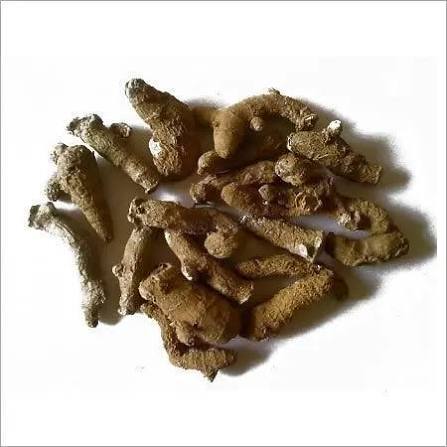
Kachur (Curcuma zedoaria, family Zingiberaceae) — also known as Zedoary, White Turmeric, Kachora, Kachri, or Gandha Shaluka in Sanskrit — is a perennial rhizomatous herb native to Northeast India and South-East Asia. It’s been cultivated and used medicinally in India, China, and Southeast Asia for over 2,000 years. The rhizomes (underground stems) resemble Turmeric but have a white/pale interior (hence “White Turmeric”), a camphor-like fragrance, and a somewhat bitter, pungent taste distinct from common Turmeric. In Ayurveda, Kachur appears in classical texts for Shwasa (asthma), Kasa (cough), Aruchi (anorexia), Arsha (haemorrhoids), Krimi (worms), and digestive conditions. In Traditional Chinese Medicine, Ezhu (Curcuma phaeocaulis or C. zedoaria) is used for blood stagnation (qi stagnation) conditions including menstrual disorders, abdominal pain, and liver disease. The volatile oil-rich rhizome is the primary medicinal part.
Key Compounds in Kachur
Kachur’s medicinal profile comes from a rich blend of sesquiterpenes, curcuminoids, and other compounds. Sesquiterpenes: curzerenone, furanodiene, germacrone, and curzerene — the major compounds responsible for the camphor-like fragrance and primary anti-tumour and anti-inflammatory activity; Curcuminoids: curcumin, demethoxycurcumin (in lower amounts than in common Turmeric), providing anti-inflammatory and antioxidant activity; Zedoarone — unique sesquiterpene ketone with anti-cancer activity; Curdione — a sesquiterpene with documented anti-platelet, anti-inflammatory, and hepatoprotective activity; Beta-elemene — a sesquiterpene with significant anti-tumour activity, now in clinical investigation as an anti-cancer agent; Starch — the rhizome contains 50–65% starch (purified as arrowroot substitute). See Wikipedia: Beta-elemene.
Top Health Benefits of Kachur
Kachur Benefits for Digestion and Overall Health
Kachur’s digestive benefits are among its most-studied applications. The volatile sesquiterpenes stimulate digestive enzyme secretion, improve gastric emptying, and reduce intestinal spasm. Gastric ulcer protection: multiple animal studies confirm Kachur rhizome extract and its sesquiterpenes protect gastric mucosa from ulceration — both reducing ulcer formation in stress-induced models and accelerating healing of existing ulcers. The anti-ulcer mechanism involves inhibiting gastric acid hypersecretion, protecting the gastric mucus layer, and reducing mucosal inflammation. Liver protection: curdione and curcuminoids from Kachur significantly reduce liver enzyme elevation (ALT, AST) in hepatotoxicity models and protect liver cells from oxidative damage — supporting its Ayurvedic application for Yakrit Vikara (liver disease).
Kachur for Anti-Cancer, Respiratory, and Skin Health
Kachur’s most remarkable and scientifically validated application is anti-cancer research. Beta-elemene — a sesquiterpene from Kachur — has shown potent anti-tumour activity in laboratory and animal studies against lung, breast, liver, ovarian, cervical, and colon cancer cell lines. Beta-elemene is currently in clinical trials in China as an anti-cancer drug derived from Kachur. For respiratory conditions: the camphor-like sesquiterpenes are expectorant, bronchodilatory, and antimicrobial — explaining the classical Kasa-Shwasa (cough-asthma) application. The anti-inflammatory compounds reduce airway inflammation in allergic conditions. For skin: antimicrobial and anti-inflammatory properties support treatment of dermatophyte infections, eczema, and skin inflammation; Kachur powder paste is traditionally applied for skin conditions.
Medicinal Properties of Kachur
How Kachur Works as a Natural Remedy
The digestive mechanism: sesquiterpenes in Kachur stimulate cholinergic receptors in the digestive tract, increasing smooth muscle motility and secretory activity. The anti-ulcer mechanism specifically involves inhibiting H+ K+ ATPase (the same enzyme targeted by proton pump inhibitor drugs) — reducing acid secretion — and upregulating protective prostaglandins in gastric mucosa. The anti-cancer mechanism of beta-elemene: this sesquiterpene inhibits DNA polymerase, disrupts cancer cell mitosis, and triggers caspase-3 and caspase-9-mediated apoptosis in multiple cancer cell types. Beta-elemene also enhances chemotherapy sensitivity (chemosensitisation), making it potentially synergistic with conventional cancer treatments. The hepatoprotective mechanism: curdione and curcuminoids quench reactive oxygen species in liver cells and inhibit the inflammatory NF-kB pathway driving hepatic damage.
Kachur in Ayurveda and Traditional Medicine
In Ayurveda, Kachur (Gandha Shaluka, Karchura, Shati) is classified as Katu (pungent), Tikta (bitter), Kashaya (astringent) in taste, Ushna (hot) and Laghu (light) in properties. It pacifies Vata and Kapha while mildly increasing Pitta. Classical indications include Shwasa (asthma), Kasa (cough), Aruchi (anorexia), Krimi (intestinal worms), Arsha (haemorrhoids), Yakrit Roga (liver disease), and Kushtha (skin diseases). In Unani medicine, Kachur (Zarnab, Jadwar) is used for respiratory conditions, as an emmenagogue (menstrual stimulant), and for fever. In traditional Chinese medicine, Ezhu (closely related Curcuma species) is used for Qi and blood stagnation patterns presenting as abdominal pain, masses, and menstrual disorders. See Turmeric for the related mainstream Curcuma species.
How to Use Kachur — Practical Usages
Kachur in Cooking, Tea, and Traditional Preparations
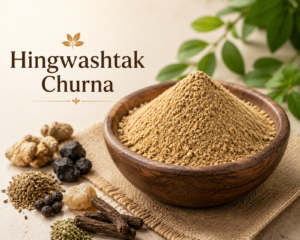
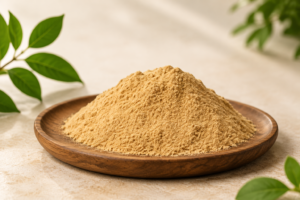
Kachur rhizome is used as a culinary spice in many parts of Northeast India, Southeast Asia (Indonesia, Vietnam) and East Africa — the flavour is aromatic with camphor notes, slightly bitter. It’s used in pickles (Kashmiri cuisine), curries (Northeast Indian and Southeast Asian cuisines), and as a spice in some Indian masala blends. Medicinal decoction: boil 5–10g of dried Kachur rhizome powder in 200ml water for 10 minutes; strain and drink 50–100ml twice daily for digestive conditions, respiratory conditions, or liver support. Churna (powder): 1–3g powder twice daily with warm water or honey for digestive and respiratory use. Paste for skin: mix Kachur powder with water or aloe vera gel to make a paste for topical application on skin infections, eczema, or inflammatory skin conditions.
Kachur as a Supplement
Kachur is available from Ayurvedic suppliers as dried rhizome, powder, and occasionally capsules. It’s included in Ayurvedic compound formulations for respiratory and digestive conditions. Beta-elemene, the anti-cancer sesquiterpene, is available as a pharmaceutical drug in China (Zhuang Fei Ke Li) and as a research chemical — not a standard supplement. For general digestive, respiratory, and liver health applications, 1–3g of Kachur powder or a standardised extract providing equivalent sesquiterpene content is appropriate. For anti-cancer supportive use, work within an integrative oncology framework with qualified practitioners who can assess interactions with conventional cancer treatments.
Side Effects and Precautions of Kachur
- Pregnancy: avoid during pregnancy — Kachur is a traditional emmenagogue (uterine stimulant) and may cause miscarriage; strictly contraindicated in all trimesters
- Pitta aggravation: the hot, pungent nature can worsen acid reflux, gastritis, and other Pitta conditions — use cautiously or avoid in hyperacidity
- Blood thinning: curdione has anti-platelet activity — avoid concurrent use with anticoagulant medications (warfarin, aspirin, clopidogrel)
- Hormone-sensitive conditions: the estrogenic activity documented for some Curcuma species suggests caution in hormone-sensitive conditions (ER+ breast cancer, uterine fibroids)
Frequently Asked Questions About Kachur
What are the main Kachur benefits for health?
Key Kachur benefits: digestive enzyme stimulation and gut motility improvement, gastric ulcer protection through acid suppression and mucosal protection, hepatoprotective antioxidant and anti-inflammatory activity, anti-tumour beta-elemene activity against multiple cancer cell types (clinical trial stage), respiratory expectorant and bronchodilatory action from camphor-like sesquiterpenes, antimicrobial activity against bacteria and fungi, anti-platelet curdione activity supporting cardiovascular health, and skin anti-inflammatory and antimicrobial application.
Is Kachur the same as Turmeric?
No — Kachur (Curcuma zedoaria) and Turmeric (Curcuma longa) are different species in the same Curcuma genus. They’re both rhizomatous Zingiberaceae herbs, they look superficially similar in plant form, and both contain curcuminoids — but their medicinal profiles differ significantly. Turmeric has much higher curcumin content and is primarily anti-inflammatory and antioxidant. Kachur has a very different sesquiterpene profile (curzerenone, germacrone, beta-elemene, curdione) that gives it respiratory, anti-ulcer, anti-cancer, and stronger digestive properties. The fragrance differs: Turmeric is earthy, Kachur is more camphor-like and aromatic. They’re complementary rather than interchangeable.
Can Kachur help with stomach ulcers?
Yes — Kachur has multiple-mechanism anti-ulcer activity confirmed in animal studies. It inhibits H+ K+ ATPase (reducing gastric acid secretion), protects the gastric mucus layer from irritants, inhibits NF-kB inflammatory signalling in gastric mucosa, and reduces H. pylori activity through antimicrobial properties. These mechanisms are complementary to conventional anti-ulcer treatments. For gastric ulcers, 2–3g of Kachur powder or decoction before meals is the classical Ayurvedic approach. Combine with anti-H. pylori herbs (Amla, Licorice, Triphala) for comprehensive ulcer management under physician guidance. Avoid use in Pitta-excess conditions without balancing Pitta-reducing herbs.
What is beta-elemene and why is it important in Kachur?
Beta-elemene is a sesquiterpene naturally found in Kachur (Curcuma zedoaria) rhizome essential oil. It has attracted significant oncological research attention due to potent, multi-mechanism anti-tumour activity in laboratory studies: it inhibits tumour cell DNA synthesis, disrupts mitosis, triggers apoptosis (programmed cell death) through caspase pathways, and enhances sensitivity to conventional chemotherapy drugs. A pharmaceutical preparation of beta-elemene (Zhuang Fei Ke Li) has been approved in China for cancer treatment. Beta-elemene is one of the few phytochemical anti-cancer candidates to have progressed to active clinical use rather than remaining purely in laboratory research — validating Kachur’s classical anti-Granthi (anti-tumour) applications in Ayurveda.
Kachur benefits represent a fascinating convergence of Ayurvedic classical medicine and contemporary oncology research — the same herb used for 2,000 years for digestive and respiratory conditions is now yielding one of the most promising natural anti-cancer compounds under active clinical investigation. For everyday use, Kachur decoction for digestive health, liver protection, and respiratory support is accessible and well-evidenced. For integrative cancer support, beta-elemene’s progression from Ayurvedic herb to clinical pharmaceutical validates the depth of wisdom in classical Ayurvedic Granthi (tumour) medicine.


Add comment