
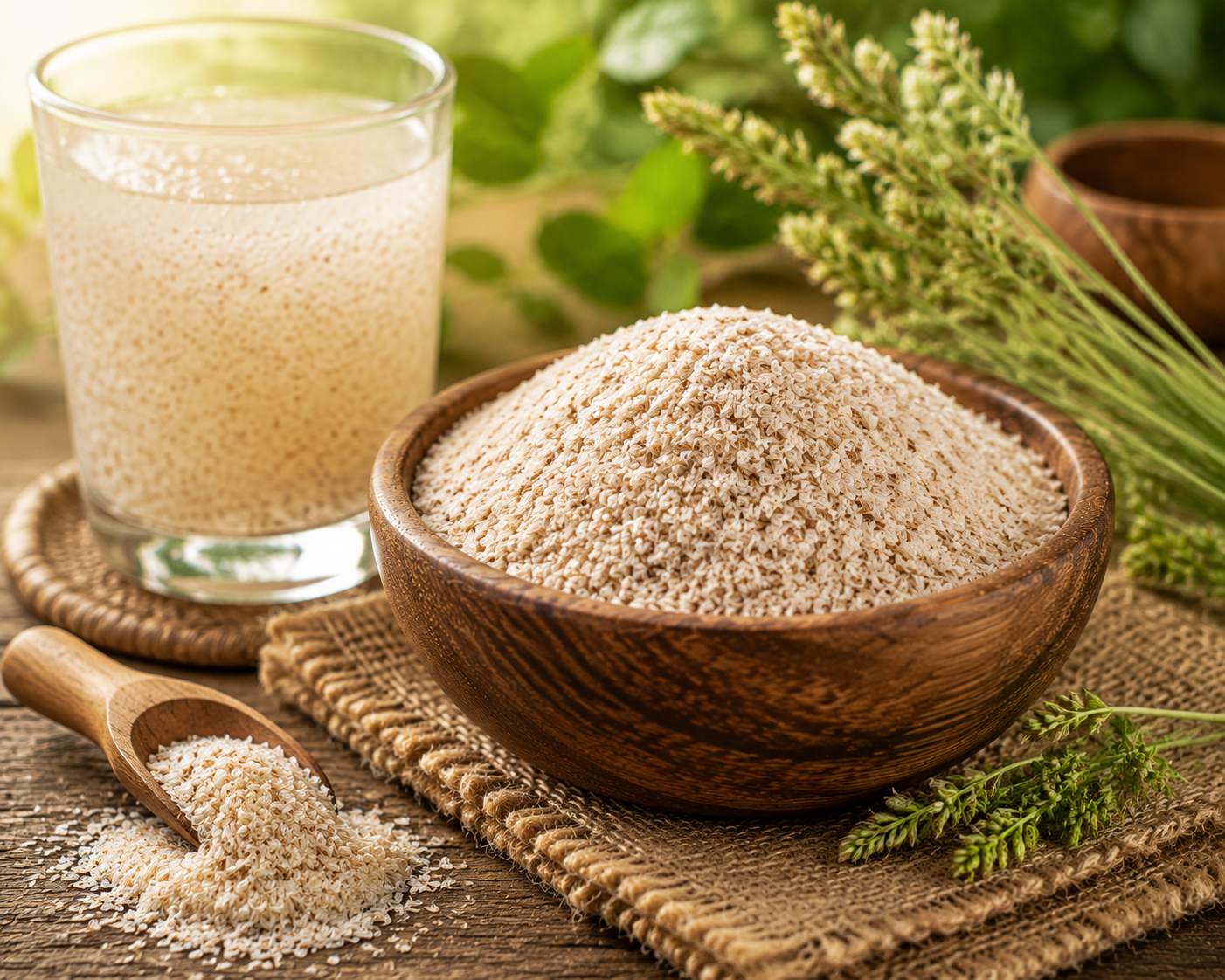
Isabgol (Introduction, Benefits, and Usages)
Isabgol benefits for digestive and cardiovascular health are among the most extensively researched of any dietary fibre source. Plantago ovata (Isabgol, Psyllium husk) is the world’s most widely used medicinal fibre supplement — its unique ability to form a viscous gel in the gut makes it simultaneously effective for constipation, diarrhoea, IBS, high cholesterol, blood sugar management, and weight control. The FDA has approved a health claim for psyllium and cardiovascular disease reduction. See Wikipedia: Psyllium. For related digestive herbs, explore Triphala and Harad.
What Is Isabgol? A Complete Introduction
Origin and History of Isabgol
Isabgol (Plantago ovata) — also called psyllium, psyllium husk, or blond psyllium — is an annual herb native to Western Asia, the Mediterranean, and the Indian subcontinent. India grows over 80% of the world’s psyllium and is the largest exporter globally, with Rajasthan and Gujarat as primary cultivation regions. The name Isabgol comes from Persian “ispaghul” meaning horse ear, referring to the shape of the seed. Ayurveda has used Isabgol for centuries as Snigdhajira (slippery seeds) for digestive regulation, urinary conditions, and as a bulk laxative. Western medicine adopted psyllium extensively from the mid-20th century for constipation, and its cholesterol-lowering properties were discovered in the 1970s, prompting the extensive cardiovascular research that led to the FDA health claim in 1998.
Key Compounds and Nutritional Profile
Isabgol’s medicinal properties come almost entirely from its soluble dietary fibre — arabinoxylan. The husk contains approximately 85% dietary fibre, of which 70–75% is soluble. When this arabinoxylan contacts water, it absorbs up to 40 times its weight in water, forming a thick, viscous gel. This gel is the basis for all of Isabgol’s mechanisms: it bulks and softens stool (constipation), slows gut transit and absorbs excess water (diarrhoea), creates a physical barrier slowing glucose absorption (blood sugar), binds bile acids in the gut preventing their reabsorption (cholesterol), and creates satiety by slowing gastric emptying (weight management). Isabgol is also prebiotic — the arabinoxylan is fermented by colonic bacteria producing beneficial short-chain fatty acids. See Wikipedia: Arabinoxylan.
Top Health Benefits of Isabgol
Isabgol Benefits for Digestion and Overall Health
Isabgol’s digestive benefits are the most extensively documented of any natural fibre source. For constipation: multiple systematic reviews confirm psyllium is more effective than any other dietary fibre supplement for increasing stool frequency and improving stool consistency. For diarrhoea: paradoxically, the same gel-forming action absorbs excess water in the gut, reducing loose stools — making Isabgol a true bowel-normalising agent. For IBS: a landmark Lancet paper found psyllium husk significantly more effective than bran and placebo for IBS symptom relief. For cardiovascular health: a meta-analysis of 21 trials found psyllium reduced LDL cholesterol by an average of 6.7 mg/dL and total cholesterol by 5.3 mg/dL — the basis for the FDA cardiovascular health claim.
Isabgol for Weight Management, Skin, and Hair
Isabgol’s gel-forming properties slow gastric emptying significantly — food stays in the stomach longer, extending satiety and reducing caloric intake at subsequent meals. Clinical trials confirm psyllium supplementation before meals reduces hunger and caloric intake, supporting weight management. The prebiotic fermentation producing butyrate and other short-chain fatty acids has anti-inflammatory effects throughout the body — including skin, where systemic inflammation drives conditions including acne, eczema, and psoriasis. A healthy microbiome nourished by Isabgol’s prebiotic arabinoxylan is increasingly recognised as fundamental to skin health — the gut-skin axis is a real and bidirectional relationship.
Medicinal Properties of Isabgol
How Isabgol Works as a Natural Remedy
The cholesterol mechanism: bile acids (made from cholesterol) are normally 95% reabsorbed from the gut after digesting fat. Isabgol gel physically traps bile acids and prevents their reabsorption — forcing the liver to make fresh bile acids from cholesterol, which draws cholesterol from blood. This is the same mechanism as cholestyramine (a cholesterol-binding drug), but with significantly better tolerability. The blood sugar mechanism: the viscous gel slows the rate at which glucose from digested carbohydrates reaches the intestinal wall for absorption — flattening the post-meal glucose curve. Studies in type 2 diabetics show psyllium taken before meals reduces HbA1c and fasting glucose significantly over 8–12 weeks.
Isabgol in Ayurveda and Traditional Medicine
In Ayurveda, Isabgol (Snigdhajira, Ashwakarnabeeja) is classified as sweet and cool in taste and energy, Pitta-reducing, Vata-reducing through moisture and bulk provision, and Kapha-increasing if used in excess. Classical Ayurvedic applications include Vibandha (constipation), Atisara (diarrhoea and dysentery), Mutrakriccha (dysuria — the gel soothes urinary irritation), and Pittaja conditions (acid-related digestive inflammation). Its Snigdha (unctuous/moist) and Guru (heavy) properties make it a Vata-soothing food-medicine. Contemporary Ayurvedic practice uses Isabgol in virtually all bowel-related conditions as a safe, effective, and gentle fibre supplement that works without stimulant laxative compounds.
How to Use Isabgol — Practical Usages
Isabgol in Drinks, Food, and Traditional Use
The most important rule: always take Isabgol with plenty of water — at minimum 240ml (one full glass) per teaspoon, ideally more. Taking it with insufficient water can cause the gel to block the oesophagus or colon. Mix 1–2 teaspoons (5–10g) of Isabgol husk in a large glass of water, stir quickly and drink immediately before the gel forms fully. For constipation: take at bedtime with water. For diarrhoea: take with water 3 times daily between meals. For cholesterol: take 10g (2 teaspoons) twice daily before meals — the dose used in cardiovascular trials. For blood sugar: take before meals to slow glucose absorption. Isabgol can also be mixed into yoghurt, smoothies, or oatmeal.
Isabgol as a Supplement
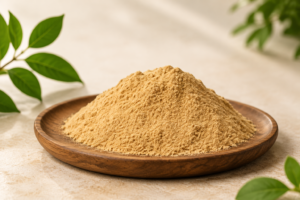
Isabgol husk is available as whole husk, powder, and capsules. Whole husk and powder are equally effective — capsules require 6–8 capsules per dose (less convenient). Isabgol is the active ingredient in Metamucil and many other commercial fibre supplements, though buying plain Isabgol husk is far more economical. For cholesterol management, 10–15g daily (divided into 2–3 doses before meals) is the clinically evidenced range. For IBS and constipation, 5–10g daily is typically sufficient. Start at a lower dose (2.5–5g) and increase gradually over 2–3 weeks to allow gut microbiome adaptation and reduce initial gas and bloating during the adjustment period.
Side Effects and Precautions of Isabgol
- Hydration essential: always take with a full glass of water — insufficiently diluted psyllium can cause oesophageal or intestinal obstruction; never take without adequate fluid
- Drug absorption: Isabgol gel can reduce absorption of medications taken at the same time — take medications at least 1–2 hours before or after Isabgol
- Initial gas and bloating: the prebiotic fermentation causes gas as gut bacteria adapt — start with lower doses and increase gradually over 2–3 weeks
- Allergy: psyllium allergy is rare but documented — healthcare workers who regularly handle psyllium products can develop occupational allergy; if you develop itching, hives, or respiratory symptoms, discontinue
Frequently Asked Questions About Isabgol
What are the main Isabgol benefits for health?
Key Isabgol benefits: constipation relief through bulk-forming and stool-softening action (most evidenced natural laxative), diarrhoea control through water absorption and stool thickening, IBS symptom reduction (Lancet-published RCT evidence), LDL cholesterol reduction of 6–7 mg/dL on average (FDA health claim), blood sugar reduction in type 2 diabetics through slowed glucose absorption, weight management support through extended satiety, prebiotic microbiome support producing beneficial short-chain fatty acids, and urinary tract soothing in Ayurvedic applications.
How does Isabgol help with constipation?
Isabgol provides bulk-forming laxative action through its gel-forming arabinoxylan. The gel absorbs water, bulks the stool, softens its consistency, and stimulates peristalsis through the stretch receptors in the colon wall. Unlike stimulant laxatives (senna, bisacodyl) that force contractions, Isabgol works with normal bowel physiology — making it safe for long-term use, including during pregnancy. Take 5–10g with a large glass of water at bedtime for next-morning bowel movement. Increase water intake throughout the day — Isabgol works best in a well-hydrated gut.
Can Isabgol lower cholesterol?
Yes — this is one of Isabgol’s most evidence-based applications. The FDA approved a health claim for psyllium fibre and cardiovascular disease risk reduction in 1998, based on multiple clinical trials. A meta-analysis of 21 trials found 10–15g of psyllium daily reduces LDL cholesterol by 6.7 mg/dL and total cholesterol by 5.3 mg/dL. The mechanism — bile acid sequestration — is the same as cholestyramine drug, but without the drug’s poor tolerability. For meaningful cholesterol benefit, 10g daily (2 teaspoons) before meals consistently for at least 4–6 weeks is required.
Is Isabgol good for diabetes?
Yes. Multiple clinical trials confirm Isabgol supplementation before meals significantly reduces post-meal blood glucose spikes in type 2 diabetics by slowing carbohydrate absorption. A systematic review found psyllium supplementation reduced HbA1c by 0.97% in people with type 2 diabetes over 8 weeks — a clinically significant reduction. The viscous gel formed in the gut physically slows glucose transport from gut to blood, flattening the glucose curve. Take Isabgol 30 minutes before your main carbohydrate-containing meals for best blood sugar management effect.
What is the correct Isabgol dosage?
For constipation and general digestive health: 5g (1 teaspoon) once or twice daily with a large glass of water. For cholesterol management: 10–15g daily in 2–3 divided doses before meals. For IBS: 5–10g daily, starting at the lower end and building up gradually. For blood sugar: 5–10g before each main meal. Always start lower and increase gradually — sudden introduction of large fibre amounts causes gas and bloating during microbiome adaptation. Maximum studied doses are 30g daily, though 10–15g is sufficient for most therapeutic applications.
Isabgol benefits make it one of the most versatile and evidence-supported natural health supplements available — a single product addressing constipation, diarrhoea, IBS, high cholesterol, blood sugar, and weight management simultaneously, all from one natural fibre. Take it consistently, take it with plenty of water, take it away from medications, and gradually increase your dose. Few supplements deliver this breadth of clinical-trial-backed benefits at such low cost and minimal side-effect risk.

Add comment