
These home remedies for constipation are simple daily habits and kitchen remedies. Constipation, or kabz, means passing stool fewer than three times a week, or passing hard, dry stool with straining. Most cases are caused by everyday habits: too little water and fibre, long sitting hours, irregular meals and stress. The good news is that most kabz responds to simple changes at home.
This guide covers 12 home remedies rooted in Ayurveda and everyday Indian kitchens, a simple daily routine, and the signs that mean you should see a doctor.
Why does constipation happen?
Common causes include:
- Low water intake and a diet low in fibre (maida, packaged snacks, too little fruit and vegetables)
- Ignoring the urge to go, or irregular toilet timing
- Sitting for long hours and little physical activity
- Travel, late nights and stress
- Some medicines, such as iron tablets, painkillers and some antacids
- Health conditions such as hypothyroidism, diabetes or IBS
In Ayurveda, constipation is linked to excess Vata dosha, the dry, light and cold quality in the body. Remedies that add moisture, warmth and fibre help to balance it.
12 home remedies for constipation
1. Warm water first thing in the morning
Drink one or two glasses of lukewarm water on an empty stomach. It hydrates the gut and helps trigger the natural morning bowel reflex. Some people add a squeeze of lemon.
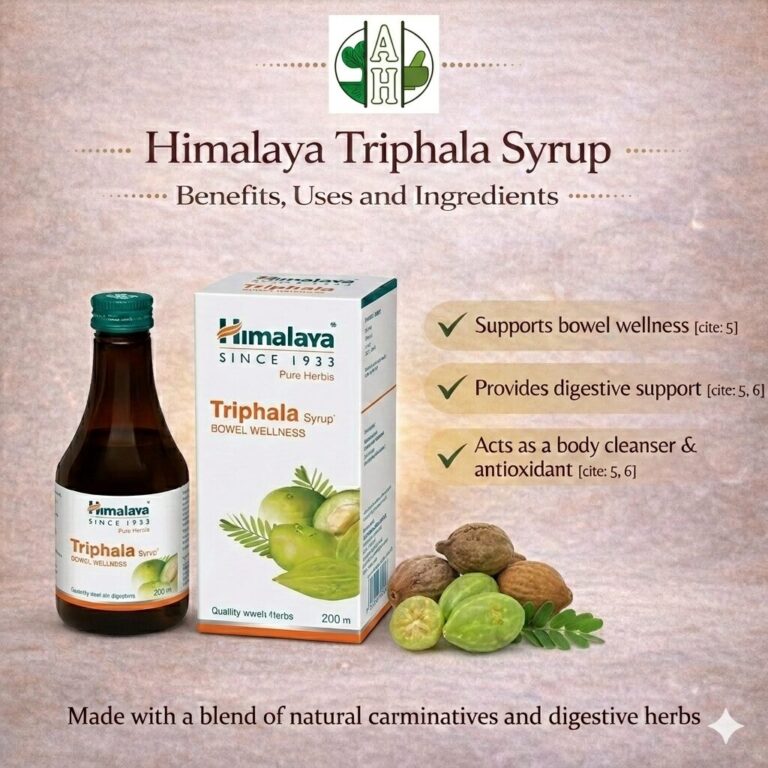
2. Triphala at bedtime
Triphala (amla, haritaki and bibhitaki) is Ayurveda’s best-known remedy for regular bowels. Take it with warm water at night as directed on the pack. Try Patanjali Divya Triphala Churna.
3. Isabgol (psyllium husk)
Isabgol absorbs water and forms a soft gel that makes stool easier to pass. Mix it in a full glass of water or milk and drink straight away, then drink another glass of water. Patanjali Isabgol is a simple daily option.
4. Ghee in warm milk
A teaspoon of desi ghee in a cup of warm milk at bedtime is a traditional remedy for dry, hard stool. Ghee lubricates the intestine and counters Vata dryness. Skip this if your doctor has asked you to limit fat.
5. Soaked anjeer and raisins
Soak 2–3 dried figs (anjeer) or a small handful of raisins overnight. Eat them in the morning and drink the water. Both are rich in fibre and natural sugars that draw water into the bowel.
6. Papaya and other fibre-rich fruit
Ripe papaya, guava, pear, apple (with skin) and oranges add fibre and water. Eat one serving a day, ideally as a mid-morning snack rather than right after a heavy meal.
7. Haritaki (harad)
Haritaki is called the “king of herbs” in Ayurveda and is valued for healthy elimination. It can be taken as a churna at night. See Patanjali Shodhit Harad or read more in our Harad guide.
8. Jeera, saunf and ajwain water
Boil a teaspoon each of cumin, fennel and carom seeds in two cups of water, strain, and sip warm after meals. It eases gas and bloating that often come with constipation.
9. More water through the day
Aim for 2–3 litres a day, more in summer. Fibre without enough water can make constipation worse.
10. A daily walk and simple yoga
A 20–30 minute walk stimulates bowel movement. Pawanmuktasana (wind-relieving pose), Malasana (squat), Vajrasana after meals and gentle twists also help.
11. Squat position on the toilet
Raising your feet on a small stool while sitting on a Western toilet straightens the rectum and makes passing stool easier.
12. A fixed toilet routine
Go at the same time every morning, ideally after warm water and before breakfast. Never ignore the urge to go.
A simple daily routine for kabz
- On waking: 1–2 glasses of warm water, then try the toilet.
- Breakfast: soaked anjeer or raisins, papaya, or poha/upma with vegetables.
- Lunch and dinner: dal, a sabzi, salad and whole-grain roti. Add a teaspoon of ghee.
- After meals: jeera-saunf water and a short walk.
- Bedtime: Triphala with warm water, or ghee in warm milk.
Foods to limit
- Maida, white bread, biscuits and bakery items
- Fried and packaged snacks
- Too much tea and coffee
- Very little water combined with high-protein supplements
- Excess cheese and processed meat
When home remedies are not enough
If simple changes don’t help within one to two weeks, Ayurvedic medicines can support the bowel. Browse our range of Ayurvedic medicine for constipation, including Udarkalp Churna, Abhayarishta and Zandu Nityam.
See a doctor without delay if you notice:
- Blood in the stool, or black, tarry stool
- Unexplained weight loss or loss of appetite
- Severe stomach pain, a swollen abdomen or vomiting
- Constipation lasting more than three weeks
- A new change in bowel habit after the age of 45
Frequently asked questions
What is the fastest home remedy for constipation?
Warm water on an empty stomach, followed by a short walk, often helps within hours. For overnight help, Triphala or Isabgol taken at bedtime with plenty of water are the most common choices.
Can I take Triphala and Isabgol together?
Many people use them at different times, for example Isabgol in the morning and Triphala at night. Start with one, see how your body responds, and follow the pack directions.
Is constipation in children treated the same way?
No. Children need different doses, and some remedies are not suitable for them. Increase water, fruit and activity, and speak to a paediatrician before giving any churna or laxative.
Does drinking milk cause constipation?
For some people, large amounts of milk and cheese can harden stool. Warm milk with a little ghee at bedtime, however, is a traditional remedy for constipation. Notice how your own body reacts.
How long can I take Ayurvedic medicine for constipation?
Gentle remedies such as Triphala are traditionally used for long periods, but long-term use of any laxative should be discussed with a doctor. The goal is to fix diet and routine so you need less support over time.
Further reading: Constipation · Psyllium (isabgol) (MedlinePlus, US National Library of Medicine).
Featured image: photo from Psyllium seed husk pile.JPG by Bastique (Cary Bass), CC BY-SA 3.0, via Wikimedia Commons. Product shown is an Ayurvedaholic store photo.
Disclaimer: This article is for general information and is based on traditional Ayurvedic use. It is not a substitute for medical advice. Do not stop any prescribed medicine. If you are pregnant, breastfeeding, buying for a child, or have a long-term condition, consult your doctor or a qualified Ayurvedic practitioner before using any product.