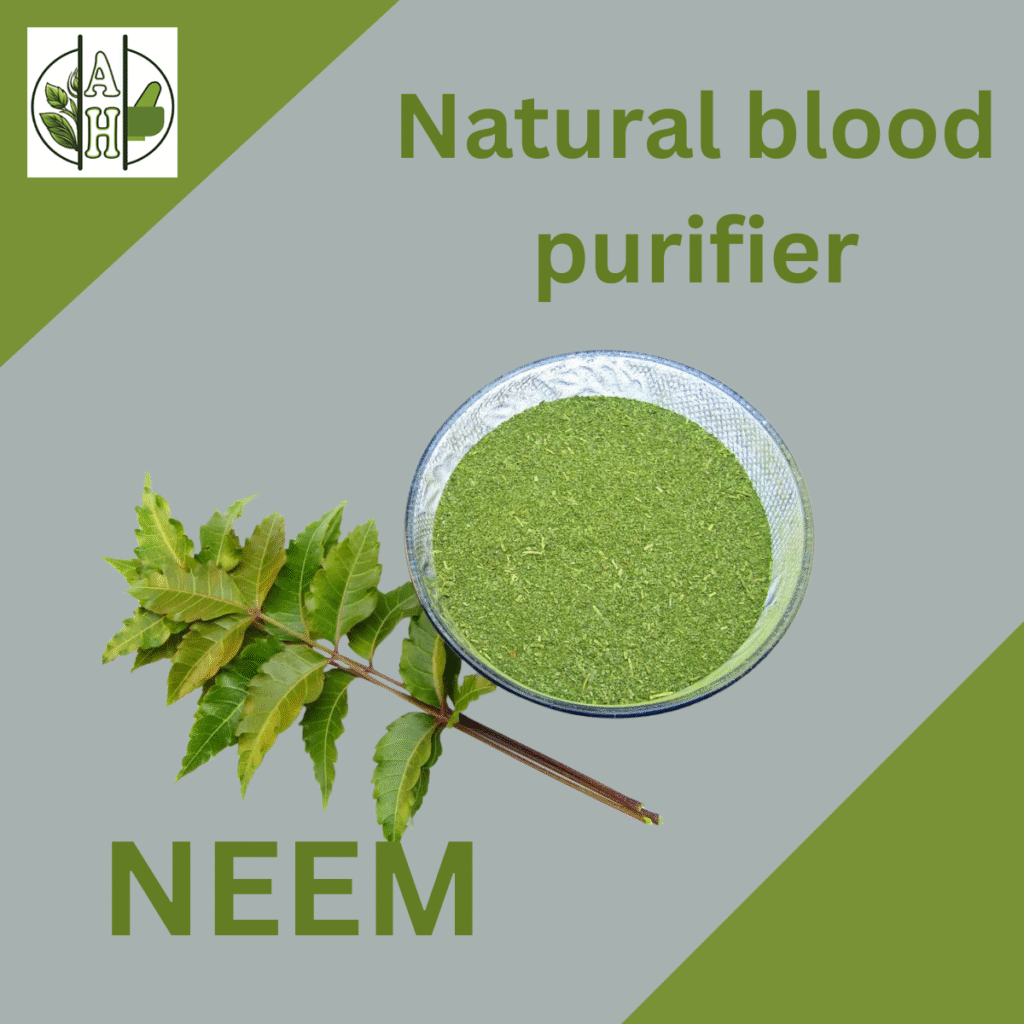
Neem isn’t just a tree—it’s a living pharmacy that’s stood the test of time. Revered across India for generations and now gaining global popularity, Neem (Azadirachta indica) is considered a sacred herb in Ayurveda. From purifying blood to treating stubborn skin issues, neem is deeply woven into daily rituals, classical medicine, and household remedies.
Whether you remember the bitter crunch of fresh neem leaves during spring detox or the cooling paste your grandmother applied to a stubborn pimple, neem has been a go-to herb for almost everything. But there’s more to this tree than its bitter taste—its deep detoxifying energy is what Ayurveda treasures most.
Common Names
- Sanskrit: Nimba
- Hindi: Neem (नीम)
- English: Margosa Tree / Indian Lilac
- Tamil: Vembu
- Telugu: Vepa
- Botanical Name: Azadirachta indica
Ayurvedic Properties of Neem
Understanding Nimba through the Ayurvedic lens helps explain why it’s so versatile:
- Rasa (Taste): Tikta (Bitter), Kashaya (Astringent)
- Guna (Qualities): Laghu (light), Ruksha (dry), Tikshna (sharp)
- Virya (Potency): Sheeta (Cooling)
- Vipaka (Post-digestive Effect): Katu (Pungent)
Effect on Doshas:
Nimba pacifies Pitta and Kapha doshas due to its cooling and drying nature, but can aggravate Vata if overused.
Traditional Uses of Neem in Ayurveda
Vembu’s applications in Ayurveda are incredibly diverse. It’s used both internally and externally to treat a wide range of health issues. Here are a few common Ayurvedic practices:
- Skin Health: Nimba paste or oil is applied topically to help with acne, eczema, boils, and psoriasis. It’s a key ingredient in many Ayurvedic skincare products.
- Blood Purification: Traditionally, neem leaf juice or powder is taken internally during seasonal transitions to remove toxins and support healthy skin from within.
- Oral Hygiene: Nimba twigs (datun) have long been used as natural toothbrushes. Its antimicrobial properties help fight plaque, bacteria, and gum issues.
- Hair Care:Nimbaoil or decoction is used to treat dandruff, lice, and scalp infections.
- Liver & Gut Cleanser:Nimba supports liver detoxification and can aid in managing indigestion, bloating, and worm infestations.
In classical Ayurvedic texts like Charaka Samhita, Nimba is described as “Krimighna” (destroyer of parasites) and “Raktashodhaka” (blood purifier).
Recommended Dosage
Vembu is available in several forms—each with its own traditional dosage guidelines:
- Neem Powder (Churna): 1–3 grams with warm water once or twice daily
- Neem Juice: 10–15 ml diluted in water, preferably in the morning
- Neem Capsules/Tablets: 250–500 mg once or twice a day, or as advised by a practitioner
- Neem Decoction (Kwath): 30–50 ml per day for detox and blood purification
- Topical Use (Oil or Paste): Applied directly to skin or scalp as needed
Always consult an Ayurvedic doctor before starting long-term internal use.
Precautions & Contraindications
While Nimba is incredibly healing, it’s also powerful—and should be used mindfully:
- Pregnancy: Avoid internal consumption during pregnancy as it may stimulate uterine contractions.
- Infants & Young Children: Nimba oil should not be given internally or applied undiluted.
- Vata Imbalance: Excessive use may lead to dryness, fatigue, or joint stiffness in Vata-predominant individuals.
- Autoimmune Conditions: Neem’s immune-stimulating effects may interfere with certain medications—consult your physician.
Modern Research on Nimba
Modern science is finally catching up to what Ayurveda has always known. Research shows:
- Antibacterial & Antifungal: Nimba contains compounds like nimbin and azadirachtin which are effective against various bacteria and fungi.
- Skin Health: Clinical studies have shown Nimba oil’s effectiveness in managing acne, eczema, and even psoriasis.
- Immunomodulatory: Nimbaleaf extracts have shown immune-boosting and anti-inflammatory potential in several lab and human studies.
- Anti-Diabetic Effects: Some studies suggest Nimba may help regulate blood sugar levels and improve insulin sensitivity.
Sources like the Journal of Ethnopharmacology and PubMed Central feature peer-reviewed studies on neem’s therapeutic benefits.
Final Thoughts
Nimba is one of those rare herbs that doesn’t just treat—it transforms. It doesn’t mask symptoms but works at the root, restoring balance where it’s needed most. Whether you’re sipping neem tea to cool down Pitta or using its oil to soothe skin flare-ups, it invites you to cleanse—not just physically, but energetically.
There’s a reason Nimba is planted outside temples and homes across India—it’s a symbol of protection, purification, and resilience. If you’re just beginning your Ayurvedic journey, Nimba is a potent and trustworthy ally to explore.
References
- Charaka Samhita, Sutrasthana 27
- Bhavaprakasha Nighantu – Haritakyadi Varga
- Healthline: 12 Powerful Ayurvedic Herbs
- Ayur Times – Neem Benefits
- Teafloor: Guide to Ayurvedic Herbs