
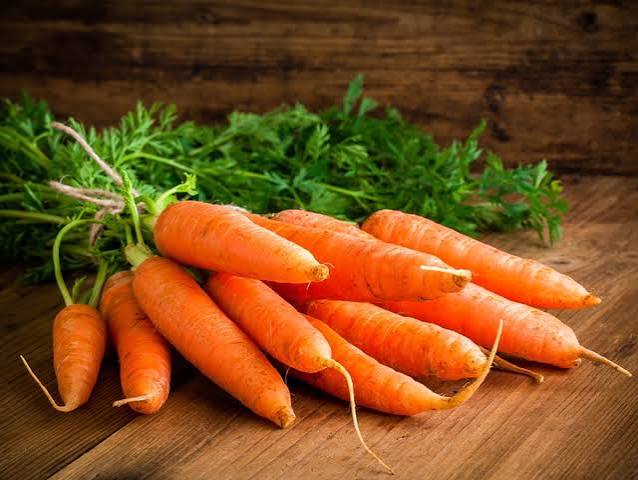
Carrot (Introduction, Benefits, and Usages)
Carrot benefits go well beyond the old saying about eyesight — though that part is absolutely true. This humble root vegetable is one of the most nutritionally potent foods available in any kitchen, and it’s been used as a medicinal plant in Ayurveda and traditional medicine long before modern nutritional science confirmed why. In this guide, you’ll learn what makes carrot medicinally significant, its top health benefits, how to use it therapeutically, and what the research actually shows. See Wikipedia: Carrot. For related root vegetables with medicinal value, explore Ginger and Turmeric.
What Is Carrot? A Complete Introduction
Origin and History of Carrot
The carrot (Daucus carota subsp. sativus) was first cultivated in Afghanistan around 900 CE and spread through the Middle East, Europe, and Asia over the following centuries. Early cultivated carrots were purple, red, and white — the orange variety we know today was developed in the Netherlands in the 17th century. Wild carrot (Queen Anne’s lace) is its ancestor and has its own medicinal history as a seed contraceptive and digestive herb in European folk medicine.
In Ayurveda, carrot (Gajar) is mentioned in medieval texts and used as a nutritive, diuretic, and liver-supporting root. It’s classified as warming, sweet, and building — appropriate for Vata and Pitta imbalances when prepared properly.
Key Compounds and Nutritional Profile
Beta-carotene is the compound that defines carrot nutritionally — a precursor to vitamin A that the body converts on demand. One medium carrot provides over 200% of the daily recommended intake of vitamin A activity. But carrot’s nutritional story doesn’t end there.
Carrots also contain alpha-carotene, lutein, zeaxanthin, lycopene (in red/purple varieties), polyacetylenes (falcarinol, falcarindiol — potent anticancer compounds), vitamin K1, potassium, and dietary fibre. The polyacetylenes are particularly interesting from a medicinal perspective — they’re specific to the carrot family and have documented anti-inflammatory and anticancer properties.
Top Health Benefits of Carrot
Carrot Benefits for Immunity and Overall Health
Beta-carotene converts to vitamin A, which is essential for immune system function — specifically for the health of mucous membranes in the respiratory, digestive, and urinary tracts that serve as the body’s first line of defence against pathogens. Vitamin A deficiency significantly increases infection risk, particularly respiratory and diarrhoeal infections in children.
The carotenoids in carrots are powerful antioxidants that protect immune cells from oxidative damage. Regular carrot consumption is associated with reduced risk of several cancers — particularly lung cancer and colorectal cancer — in multiple large population studies. The falcarinol compound has shown direct cancer cell growth inhibition in laboratory studies.
Carrot for Skin, Hair, and Beauty
Vitamin A from beta-carotene is critical for skin cell turnover, collagen synthesis support, and sebum regulation. Carrot consumption reduces skin roughness, protects against UV damage, and contributes to an even skin tone — the mild orange tint from carotenoids that accumulates in skin (carotenodermia) is actually associated with perceived attractiveness and healthiness in research studies.
Carrot seed oil (from wild carrot seeds) is used in natural skincare for its antioxidant and UV-filtering properties. For hair, vitamin A supports scalp sebum production, preventing dryness and dandruff. Carrot juice is a simple daily beauty tonic that works from the inside out.
Medicinal Properties of Carrot
How Carrot Works as a Natural Remedy
Carrot works as a natural remedy through several distinct mechanisms. The soluble fibre (pectin) feeds beneficial gut bacteria, lowers LDL cholesterol, and slows glucose absorption. The insoluble fibre supports bowel regularity and reduces colon cancer risk. The falcarinol polyacetylenes inhibit inflammatory pathways and cancer cell proliferation.
Carrot also has diuretic properties that support kidney health and reduce fluid retention — traditionally used for urinary tract support in Ayurveda and European herbal medicine. Raw carrot fibre specifically has anti-oestrogenic effects through binding and eliminating oestrogen metabolites in the gut, which is relevant for hormone-related conditions.
Carrot in Ayurveda and Traditional Medicine
In Ayurveda, carrot (Gajar) is primarily classified as a nutritive, warming, and Vata-reducing food. It supports liver function, promotes healthy vision, strengthens reproductive tissues (Shukra dhatu), and nourishes the blood. Carrot soup with ghee and warming spices is a traditional Ayurvedic recipe for convalescence and post-illness recovery.
In Traditional Chinese Medicine, carrot strengthens the Spleen and Lung systems. European herbalism used wild carrot seed as a diuretic, digestive, and contraceptive agent — uses distinct from the cultivated root. See Wikipedia: Daucus carota.
How to Use Carrot — Practical Usages
Carrot in Food, Tea, and Cooking
Raw carrots provide the polyacetylenes most effectively — the cooking process degrades falcarinol significantly. Eat one small raw carrot daily (plain, without dressing) for anti-inflammatory and anti-oestrogenic benefits. This is a simple strategy with real measurable effects on hormone balance and gut health.
Cooked carrots actually provide more bioavailable beta-carotene — the heat breaks down cell walls, releasing carotenoids. Eating cooked carrots with a fat source (ghee, olive oil, coconut oil) further increases carotenoid absorption since they’re fat-soluble. Carrot juice concentrates the carotenoids — 1 cup provides a significant therapeutic dose of beta-carotene.
Carrot as a Supplement or Topical Application
Beta-carotene supplements are available but whole carrot is generally preferred — the matrix of fibre, polyacetylenes, and diverse carotenoids in the whole food provides benefits that isolated beta-carotene supplements don’t replicate. Carrot seed essential oil (diluted in a carrier) is used topically for skin care and sun protection.
For a simple Ayurvedic tonic: cook grated carrot in ghee with cardamom, milk, and jaggery as Gajar Halwa — this traditional preparation is genuinely nourishing and not just a sweet treat. It’s an accessible way to consume carrot therapeutically in the Ayurvedic tradition.
Side Effects and Precautions of Carrot
Carrot is exceptionally safe for virtually everyone. The main things to know:
- Carotenodermia: very high carrot consumption (litres of juice daily) can cause skin to turn orange — harmless and reversible
- Wild carrot seed: don’t confuse the cultivated root with wild carrot seed, which has abortifacient properties and shouldn’t be used during pregnancy
- Allergy: carrot belongs to the Apiaceae family — people with birch pollen allergy may experience oral allergy syndrome (itchy mouth) with raw carrot
- Blood sugar: carrot has a moderate glycaemic index when cooked — people with diabetes should account for it, though it’s not high-glycaemic in normal portions
Frequently Asked Questions About Carrot
What are the top carrot benefits for health?
The most significant carrot benefits are: vision protection and eye health (beta-carotene converts to vitamin A), cancer risk reduction (polyacetylenes and carotenoids), cardiovascular support (soluble fibre lowers LDL), skin health (vitamin A for cell renewal), and immune function support. These aren’t folk claims — they’re backed by substantial research.
Is raw or cooked carrot more beneficial?
Both — but for different reasons. Raw carrot provides more polyacetylenes (falcarinol), fibre in its most effective form, and anti-oestrogenic effects. Cooked carrot (especially with fat) provides more bioavailable beta-carotene. Eating both forms regularly gives you the full spectrum of carrot benefits.
How to use carrot for skin health?
Eat 1–2 carrots daily cooked with a healthy fat for maximum beta-carotene absorption — this is the most effective internal approach for skin. Carrot juice (250 ml daily) concentrates the skin-supporting carotenoids. Topically, carrot seed oil diluted in a base oil can be applied as an antioxidant skin serum.
What does carrot do in Ayurveda?
In Ayurveda, carrot (Gajar) primarily nourishes blood and reproductive tissue, supports liver function, promotes vision, and builds strength in debility and recovery. It’s warming, sweet, and Vata-reducing — recommended as a nutritive food particularly in winter when it’s naturally in season and most beneficial for the body.
Can carrot lower blood pressure?
Yes — carrot contains potassium, which supports healthy blood pressure, and polyacetylenes that relax blood vessel walls. The fibre lowers cholesterol, reducing cardiovascular strain. While carrot alone isn’t a blood pressure treatment, regular consumption as part of a plant-rich diet is genuinely associated with better cardiovascular outcomes in population studies.
Don’t underestimate this common vegetable. Carrot benefits span vision, skin, immunity, cancer prevention, and cardiovascular health — and unlike many “superfoods,” it’s inexpensive, widely available, and as effective raw as cooked. Add a raw carrot to your daily routine and a serving of cooked carrots with ghee a few times a week. Simple, affordable, and backed by solid nutritional science and thousands of years of traditional wisdom.


Add comment