
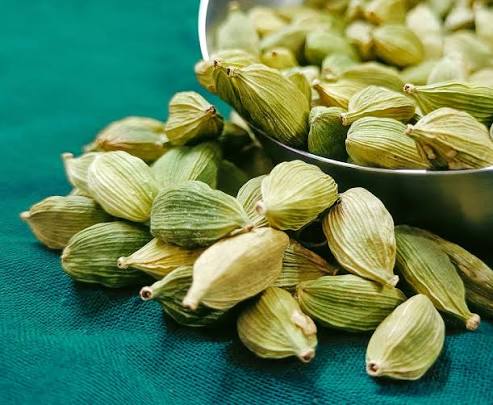
Cardamom (Introduction, Benefits, and Usages)
Cardamom benefits have been celebrated for over 4,000 years — and once you understand what this spice actually does inside your body, you’ll never look at it the same way again. Known as the “Queen of Spices,” cardamom is far more than a flavouring agent. It’s a powerful medicinal plant used across Ayurveda, Traditional Chinese Medicine, and modern herbal practice for digestive health, oral care, blood pressure, and more. In this guide, you’ll discover cardamom’s key compounds, its top health benefits, how to use it daily, and what the science actually says. See Wikipedia: Cardamom. For related warming spices, explore Cinnamon and Clove.
What Is Cardamom? A Complete Introduction
Origin and History of Cardamom
Cardamom (Elettaria cardamomum) is native to the evergreen forests of southern India, particularly the Western Ghats region of Kerala and Karnataka — still called the “Cardamom Hills.” It’s one of the world’s oldest spices, appearing in ancient Sanskrit texts, Egyptian records, and Greek writings. Arab traders carried it across the Middle East and Europe by the 4th century BCE. Today, Guatemala is the world’s largest producer, though Indian cardamom remains highly prized for its intense aroma.
Two main species are used medicinally: Elettaria cardamomum (green or true cardamom) and Amomum subulatum (black cardamom). Both belong to the ginger family, Zingiberaceae. Green cardamom is the one used in most Ayurvedic preparations and is the focus here.
Key Compounds and Nutritional Profile
Cardamom’s medicinal power comes from its volatile oil content — particularly 1,8-cineole (eucalyptol), alpha-terpinyl acetate, linalool, and limonene. These compounds give cardamom its antimicrobial, antispasmodic, and digestive-stimulating properties. The seeds also contain flavonoids, terpenoids, and minerals including manganese, zinc, and iron.
Cineole alone accounts for up to 35% of the essential oil and is the primary reason cardamom is effective for respiratory congestion, oral health, and as an antimicrobial agent.
Top Health Benefits of Cardamom
Cardamom Benefits for Immunity and Overall Health
The antioxidants in cardamom — particularly the flavonoids and volatile compounds — fight oxidative stress and reduce systemic inflammation. Studies have shown cardamom extract can lower inflammatory markers like C-reactive protein and protect cells from free radical damage. This immune-supporting action is why Ayurvedic practitioners have used cardamom as part of daily tonics (like Chai tea) for centuries.
Cardamom also shows measurable antibacterial activity against Staphylococcus aureus, E. coli, and Streptococcus mutans. The last one is particularly relevant — it’s the bacteria most responsible for tooth decay.
Cardamom for Skin, Hair, and Beauty
Cardamom’s antioxidant flavonoids protect skin from UV-induced oxidative damage. Applied topically in traditional preparations, cardamom oil brightens skin tone, fights acne-causing bacteria, and soothes irritated skin. In Ayurveda, cardamom is classified as a Pitta-reducing herb — making it calming for inflammatory skin conditions.
For hair, cardamom’s antifungal properties can help address dandruff caused by scalp fungal overgrowth. A simple rinse with cooled cardamom-infused water adds shine and addresses scalp inflammation.
Medicinal Properties of Cardamom
How Cardamom Works as a Natural Remedy
Cardamom works on the digestive system by stimulating digestive enzyme secretion, relaxing intestinal smooth muscle (antispasmodic), and promoting bile flow. This combination makes it genuinely effective for bloating, gas, nausea, and sluggish digestion. It isn’t just soothing — it actively speeds gastric emptying, which is why cardamom tea after a heavy meal isn’t just pleasant tradition, it’s functional.
A 2017 clinical study found that cardamom supplementation significantly reduced blood pressure in patients with stage 1 hypertension after 12 weeks. The proposed mechanism involves diuretic activity and calcium channel antagonism — similar to how some blood pressure medications work, but gentler.
Cardamom in Ayurveda and Traditional Medicine
In Ayurveda, cardamom (Ela) is one of the most widely used herbs in compound formulations. It’s classified as tridoshic — balancing Vata, Pitta, and Kapha — though particularly useful for Kapha-type respiratory and digestive conditions. Classical texts recommend it for Shwasa (asthma/breathlessness), Kasa (cough), Trishna (excessive thirst), and as a breath freshener (Mukhashodhana).
Cardamom is also an important ingredient in Trikatu formulations and in classical preparations like Eladi Churna and Ela Ghritha. In Unani medicine, it’s used as a cardiac tonic and digestive stimulant. In Traditional Chinese Medicine, the black variety (Amomum) addresses cold-type digestive conditions. See Wikipedia: Elettaria cardamomum.
How to Use Cardamom — Practical Usages
Cardamom in Food, Tea, and Cooking
Cardamom tea: crush 3–4 pods, steep in boiling water for 10 minutes with ginger and honey. Drink after meals for digestion or in the morning as an energy tonic. This is the easiest way to access cardamom benefits daily.
Add ground cardamom to oatmeal, smoothies, golden milk, and baked goods. In Indian cooking, whole pods are used to flavour rice dishes, lentils, and curries — the heat releases the volatile oils. Cardamom pairs naturally with Ginger for a potent digestive tea combination.
Cardamom as a Supplement or Topical Application
Cardamom is available as standardized extracts (capsules), essential oil, and powder. For blood pressure support, studies used 3 grams of cardamom powder daily. For oral health, chewing a pod after meals freshens breath and provides direct antimicrobial contact with the gum tissue.
Topically, diluted cardamom essential oil (1–2% in a carrier oil like coconut) can be applied to the chest for respiratory decongestion or to the scalp for dandruff treatment. Don’t apply undiluted essential oil directly to skin.
Side Effects and Precautions of Cardamom
Cardamom is one of the safest culinary herbs and spices. In food amounts, it’s universally safe and well tolerated. At supplement doses, the main precautions are:
- Gallstones: cardamom may stimulate gallbladder contractions — avoid high-dose supplements if you have gallstones
- Drug interactions: may enhance anticoagulant effects of blood-thinning medications in supplement doses
- Allergy: rare, but possible cross-reaction in people allergic to other Zingiberaceae family plants (ginger, turmeric)
- Pregnancy: culinary use is safe; avoid medicinal-dose supplements during pregnancy without medical guidance
Frequently Asked Questions About Cardamom
What are the main cardamom benefits for health?
The most documented cardamom benefits include digestive support (reduces bloating, gas, nausea), blood pressure reduction, oral antimicrobial action, antioxidant and anti-inflammatory effects, and respiratory decongestion. It’s one of the few spices where the traditional uses align closely with what modern research actually confirms.
How to use cardamom for digestive problems?
The simplest approach is cardamom tea — crush 4–5 pods, steep for 10 minutes, and drink after meals. Chewing a whole pod is even more direct for nausea and bloating. Adding cardamom powder to food regularly provides ongoing digestive support through the stimulation of digestive enzymes.
Is cardamom good for blood pressure?
Yes — a 2017 randomised controlled trial specifically showed that 3 grams of cardamom daily for 12 weeks significantly reduced blood pressure in newly diagnosed stage 1 hypertension patients. It’s not a replacement for medication in severe hypertension, but it’s a genuinely evidence-based addition to a blood pressure management plan.
What is cardamom called in Ayurveda?
Cardamom is called Ela or Sukshmela in Ayurveda. It’s classified as tridoshic (balancing all three doshas) and is one of the most commonly used herbs in classical Ayurvedic compound formulations. It appears in texts like Charaka Samhita and Ashtanga Hridayam as a primary herb for respiratory, digestive, and oral health conditions.
Can I use cardamom every day?
Absolutely. Daily cardamom use — whether as tea, in cooking, or by chewing pods — is safe and beneficial for most people. Ayurvedic tradition recommends it as part of daily diet rather than as an occasional supplement. The cumulative effects on digestion, oral health, and antioxidant protection build over consistent daily use.
Cardamom benefits are real, well-documented, and remarkably accessible — you don’t need expensive supplements to experience them. Start with cardamom tea after meals and work it into your daily cooking. This ancient spice earns every bit of its 4,000-year reputation as both a culinary treasure and a genuinely effective natural remedy. Try adding it to your chai, your morning porridge, or simply keep a few pods in your pocket for fresh breath and better digestion throughout the day.



Add comment