
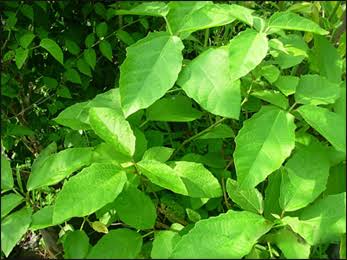
Danti (Introduction, Benefits, and Usages)
Danti benefits are centred on its role as one of Ayurveda’s most powerful purgative and detoxifying herbs — Baliospermum montanum (also called Dravanti or Danti in classical texts) occupies a similar position in Ayurvedic medicine that senna and cascara occupy in Western herbalism, but with additional anti-inflammatory and analgesic applications that make it a multifaceted medicinal plant. Used correctly in classical Ayurvedic Panchakarma (detoxification) protocols and as a Virechana (purgative) herb, Danti is powerful and specific — a herb for practitioner-guided therapeutic use rather than casual supplementation. See Wikipedia: Baliospermum montanum. For related Ayurvedic detox herbs, explore Chitrak and Castor Oil.
What Is Danti? A Complete Introduction
Origin and History of Danti
Danti (Baliospermum montanum) is a shrubby plant native to India, Nepal, and other parts of South and Southeast Asia, growing in forests and hilly regions up to 1,500 metres elevation. It belongs to the Euphorbiaceae family — a plant family that includes several medicinally potent plants including Castor (Ricinus communis) and Euphorbias. In classical Ayurvedic literature, Danti (or Dravanti) is mentioned in the Charaka Samhita and Ashtanga Hridayam specifically as a Virechana (purgative) herb of high potency and as a component of detoxification formulas. It is one of the 10 roots included in Dashmoola, and is part of classical formulas like Dantimula churna.
Key Compounds and Nutritional Profile
Danti’s primary bioactive compounds are diterpene esters — particularly baliospermin and montanin — which are responsible for the potent purgative and cytotoxic activity. Phorbol esters in the seed oil are irritant compounds that drive the purgative mechanism. The root contains glycosides, tannins, and resin acids with anti-inflammatory and analgesic properties. The leaves contain taraxerol and beta-sitosterol with anti-inflammatory activity. Importantly, the different plant parts have varying potency — the seeds and seed oil are most purgative, the roots are used for internal medicine applications, and the leaves are used for topical anti-inflammatory applications. This differentiation is carefully observed in classical Ayurvedic practice.
Top Health Benefits of Danti
Danti Benefits for Immunity and Overall Health
In classical Ayurveda, Danti’s primary benefit is its powerful Rechana (purgative) action used in Virechana therapy — one of the five Panchakarma purification procedures. Virechana with Danti is specifically indicated for Pitta-type conditions with accumulated toxins (Ama) in the gastrointestinal tract and liver. The clinical benefits observed after properly administered Virechana include relief of chronic skin conditions (psoriasis, eczema), liver disorders, rheumatic conditions, and chronic inflammatory diseases — consistent with the understanding that removing accumulated toxins from the gut and liver reduces systemic inflammation. Research on Danti extracts has identified anti-tumour activity from the diterpene compounds in laboratory models.
Danti for Skin, Hair, and Beauty
Danti leaf paste is used topically in traditional Indian medicine for skin conditions including psoriasis, eczema, and inflammatory skin disorders — the taraxerol and beta-sitosterol in the leaves provide anti-inflammatory activity relevant to these conditions. The systemic Virechana (purgative) treatment with Danti in Ayurvedic Panchakarma is specifically indicated for chronic skin diseases — reflecting the classical Ayurvedic understanding that many skin conditions originate from accumulated toxins and liver dysfunction. Post-Virechana skin improvement in patients with chronic skin disorders is well-documented in Ayurvedic clinical literature.
Medicinal Properties of Danti
How Danti Works as a Natural Remedy
Danti’s purgative mechanism involves direct irritation of the intestinal mucosa by the diterpene esters and phorbol-related compounds, increasing peristaltic contractions and stimulating secretion — similar to stimulant laxatives but typically more rapid and complete in effect. The root preparations (less concentrated in the most irritant phorbol esters) have more moderate, controllable laxative action and are preferred for standard internal medicine use over the seed/seed oil for safety. Anti-inflammatory activity has been confirmed in animal models — the root extracts reduce paw oedema and inflammatory markers comparably to standard reference drugs in research settings. Analgesic effects from the resin compounds make Danti root preparations relevant for pain management in traditional use.
Danti in Ayurveda and Traditional Medicine
In Ayurveda, Danti is classified as pungent and bitter in taste, hot in potency, and specifically Kapha-Pitta pacifying through its powerful purgative action. The Charaka Samhita places it among the most important Virechana dravyas (purgative substances). Classical Ayurvedic formulations containing Danti include Dantimula churna, Virechana kwatha, and various combination formulas for obstinate constipation, ascites, haemorrhoids, and spleen disorders. It’s one of the 10 herbs in certain Dashmoola variants. The Siddha system uses Danti (called Nagadanti in Tamil) similarly — primarily as a strong purgative and for chronic skin diseases through systemic detoxification.
How to Use Danti — Practical Usages
Danti in Food, Tea, and Cooking
Danti is not a culinary herb — it is strictly a medicinal plant used under practitioner supervision. The root powder (churna) is the standard oral preparation — typically 0.5–1g of root powder administered with warm water, honey, or as part of a classical formulation, under Ayurvedic physician guidance. Never self-administer strong Virechana herbs without professional supervision — the timing, preparation, dosage, and post-procedure dietary management (Samsarjana krama) all require expertise to ensure safety and efficacy. For milder constipation management, much safer herbs like Castor Oil or Fennel Seeds are appropriate for self-care.
Danti as a Supplement or Topical Application
Danti root powder is available from Ayurvedic pharmacies as part of classical formulations like Dantimula churna or in custom compounded preparations by Ayurvedic practitioners. For topical application, fresh Danti leaves can be ground into a paste and applied to inflammatory skin lesions, swellings, and arthritic joints — this is the safest self-care application of Danti, as topical use avoids the potent internal purgative effects. Classical Ayurvedic Virechana with Danti is best sought from a qualified Ayurvedic physician in an appropriate clinical setting (Panchakarma centre).
Side Effects and Precautions of Danti
- Potent purgative — use only under supervision: excessive dosing causes severe diarrhoea, dehydration, and electrolyte imbalance; never self-medicate with strong doses
- Seed oil is highly toxic: Danti seed oil (Danti taila in some formulations) is intensely irritant and should only be used in very specific classical formulations under expert guidance
- Contraindicated in: pregnancy (causes uterine contractions), inflammatory bowel disease (Crohn’s, ulcerative colitis), intestinal obstruction, haemorrhage, dehydration, and severe weakness
- Drug interactions: potent laxative effect can reduce absorption of oral medications if administered simultaneously
Frequently Asked Questions About Danti
What are the main Danti benefits in Ayurveda?
Danti’s primary Ayurvedic benefits are: powerful Virechana (therapeutic purgation) for Panchakarma detoxification, relief of chronic constipation unresponsive to milder treatments, systemic detoxification that addresses chronic skin diseases and liver disorders at their root cause, anti-inflammatory topical applications through the leaves, and analgesic properties from root resin compounds. These benefits are best accessed through qualified Ayurvedic supervision.
How is Danti different from other Ayurvedic purgatives?
Danti is one of the most potent Ayurvedic purgatives — stronger than mild options like Castor oil, Triphala, or Isabgol. It’s specifically indicated for Pitta-type purgation where complete elimination of deep-seated toxins is the therapeutic goal. Castor oil is gentler and self-administrable; Danti requires professional supervision due to its potency. Each purgative herb has a specific Dosha indication and potency level in Ayurvedic classical texts — Danti is in the high-potency category.
Is Danti the same as Dhamasa?
No — Danti (Baliospermum montanum) and Dhamasa (Fagonia cretica) are completely different plants. The name confusion occurs because Ayurvedic classical texts list multiple plants with similar common names. Dhamasa is used for jaundice, liver conditions, and skin disorders; Danti is primarily a purgative. Always verify the botanical name (Baliospermum montanum for Danti) when purchasing or referencing this herb.
Danti benefits are powerful and specific — this is an Ayurvedic herb that genuinely works for its intended purposes (Virechana detoxification, chronic constipation, inflammatory conditions) but requires the guidance of a qualified Ayurvedic practitioner for internal use. Seek out qualified Ayurvedic Panchakarma therapy if you believe you could benefit from Virechana — the full clinical protocol, properly administered, is one of Ayurveda’s most effective therapeutic interventions for chronic inflammatory conditions, skin diseases, and liver disorders.
Add comment