
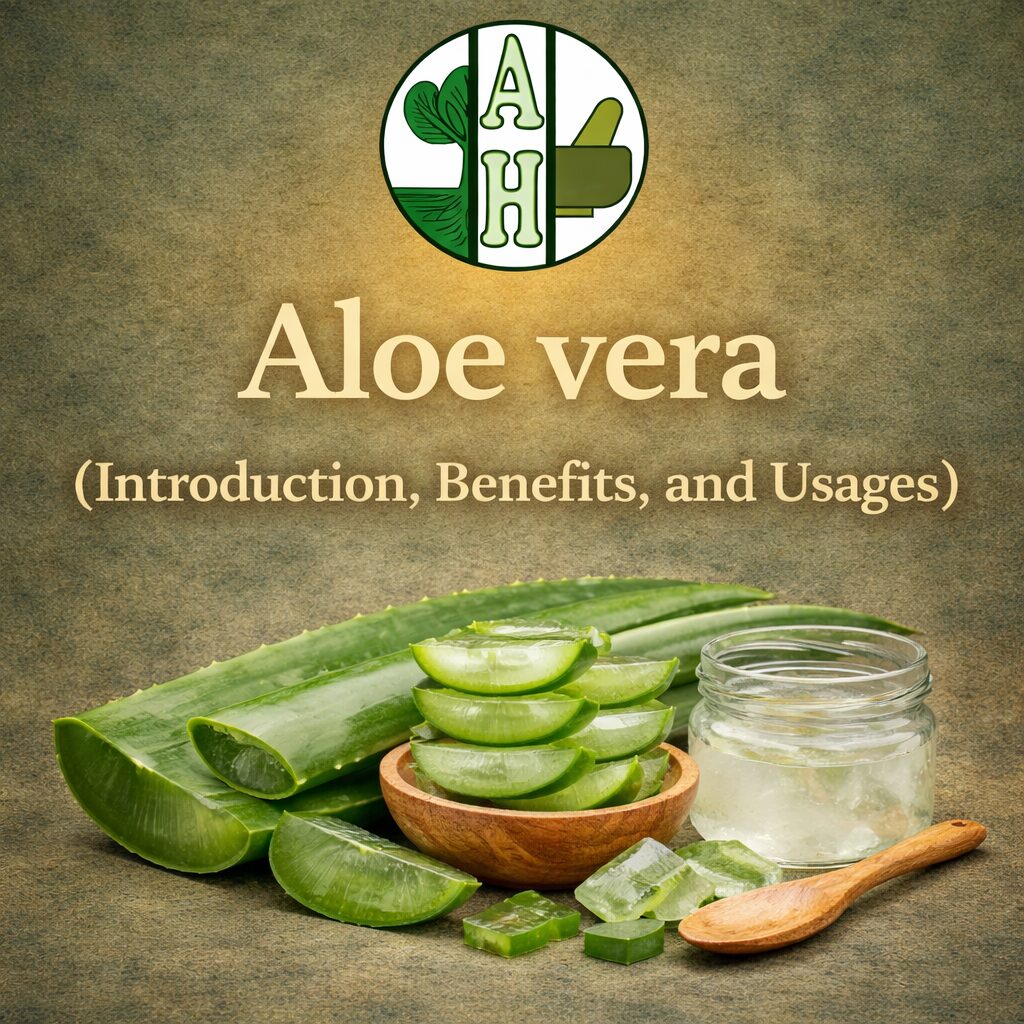
Aloe vera (Introduction, Benefits, and Usages)
There’s a certain magic in walking barefoot through an herb garden and feeling the subtle yet unmistakable presence of a plant that has been a companion to humans for thousands of years. Aloe vera is one of those remarkable companions—its thick, succulent leaves storing a life-giving gel that has soothed sunburns, healed wounds, and nourished the body for generations. In India, a land that has long revered the healing powers of plants, aloe vera occupies a unique space, bridging the worlds of traditional medicine, modern wellness, and everyday home remedies.
Even in bustling urban kitchens and contemporary beauty routines, aloe vera continues to claim its place. It is no longer merely a folk remedy; it has emerged as a globally celebrated herb, endorsed by scientific research while retaining its ancient aura. From the sun-drenched deserts of Africa to the tropical gardens of India, this resilient plant thrives, offering its gifts generously to anyone who seeks its natural touch.
There is something almost poetic about aloe vera: its spiky exterior belies the cooling, restorative gel within. It is a living metaphor for resilience and nurturing, reminding us that true healing often comes from the simplest sources. In Ayurveda, aloe vera is not just a remedy—it is a symbol of balance, vitality, and the subtle intelligence of nature itself.
What Is Aloe vera?
Aloe vera, botanically known as Aloe barbadensis miller, belongs to the Liliaceae (or Asphodelaceae) family. Its fleshy, lance-shaped leaves, arranged in a rosette pattern, contain a translucent gel at the core, which is the primary source of its therapeutic properties. The plant produces yellow tubular flowers, though it is the succulent leaves that have captured the attention of both traditional healers and modern researchers alike.
Native to the Arabian Peninsula, aloe vera is now cultivated across tropical and subtropical regions of the world, including India, China, and parts of Africa. In India, it thrives in dry, sandy soils and is commonly found in household gardens, herbal farms, and Ayurvedic clinics. Across regions, it carries multiple names: in Hindi, it is known as Gwarpatha; in Tamil, Kumari; in Telugu, Kumari; in Kannada, Kumari Soppu; in Gujarati, Ghvarpatha; in Bengali, Kumari Shak; and in Punjabi, Kumari. Its Sanskrit name, Kumari, conveys both its nurturing essence and its connection to vitality and rejuvenation. In English, it is often called Aloe, Aloe Vera, or the “Burn Plant.”
Aloe vera in History and Culture
Aloe vera’s history is as rich as its gel is soothing. Classical Ayurvedic texts such as the Charaka Samhita and Sushruta Samhita praise its ability to cleanse, rejuvenate, and balance the doshas. The Bhavaprakasha Nighantu lists it as a potent remedy for vata and pitta imbalances, while the Bhaishajya Ratnavali emphasizes its role in promoting digestion, skin health, and wound healing. In these texts, aloe is often described as a cooling, detoxifying herb, capable of both internal and external applications, reflecting its versatile nature.
Historically, aloe vera was a prized commodity in trade between India, Egypt, and the Mediterranean regions. It was often referred to as the “plant of immortality” in ancient Egyptian culture, used in rituals and for embalming. The Greeks and Romans valued it for wound healing, digestive support, and skin care, while Indian traditions wove it into religious and domestic practices. Anecdotes tell of travelers carrying aloe leaves on long journeys for sustenance and protection against harsh climates, illustrating its revered status as a plant of resilience and care.
Ayurvedic Properties
Aloe vera possesses a rasa (taste) that is predominantly madhura (sweet) and tikta (bitter), with a slightly katu (pungent) undertone. Its guna (qualities) are ruksha (dry) and laghu (light), while its virya (potency) is sheeta (cooling), and its vipaka (post-digestive effect) is katu (stimulating). In terms of dosha action, aloe vera pacifies pitta and vata while potentially aggravating kapha if overused. Its key Ayurvedic karmas (actions) include vranaropak (wound healing), pittashamak (pitta pacifying), deepan (digestive stimulant), and pachak (metabolic enhancer), making it an invaluable herb for both internal and external wellness applications.
Active Compounds and Modern Research
Modern phytochemical analysis has identified a plethora of bioactive compounds in aloe vera, including vitamins (A, C, E, B12), minerals (calcium, magnesium, zinc), amino acids, enzymes (like bradykinase), and polysaccharides such as acemannan. These compounds contribute to its anti-inflammatory, antioxidant, and immunomodulatory effects. Research studies have corroborated many traditional uses, showing aloe vera gel can accelerate wound healing, reduce UV-induced skin damage, support digestive health, and exhibit antimicrobial activity. Such evidence bridges the wisdom of classical texts with contemporary scientific validation, highlighting the herb’s enduring relevance.
Benefits of Aloe vera
Skin Health and Healing
Aloe vera’s most celebrated use is for the skin. Its cooling gel soothes sunburn, minor cuts, and abrasions while supporting cellular regeneration. Ayurvedic wisdom describes it as vranaropak (wound healing), and modern studies confirm that the polysaccharides in aloe enhance collagen synthesis and tissue repair, making it a natural ally for radiant, healthy skin.
Digestive Support
Aloe vera acts as a gentle deepan (digestive stimulant) and pachak (metabolic enhancer). Consuming aloe juice in moderation can help soothe the gastrointestinal tract, relieve acidity, and support regular bowel movements. Research indicates its compounds modulate gut microbiota and reduce inflammation, aligning with Ayurvedic recommendations for balancing pitta and vata in the digestive system.
Immune Modulation
The immunomodulatory properties of aloe vera are noteworthy. Regular consumption or topical application supports the body’s natural defense mechanisms. Classical Ayurveda emphasizes its rasayan (rejuvenative) qualities, which modern studies confirm by demonstrating enhanced macrophage activity and anti-inflammatory signaling pathways.
Hair and Scalp Care
Aloe vera nourishes hair follicles and maintains scalp health. Its moisturizing gel balances excess sebum, reduces dandruff, and strengthens hair shafts. Ayurveda describes aloe as keshya (beneficial for hair), and contemporary research suggests that its enzymes reduce scalp irritation while promoting hair growth.
Blood Sugar Management
Some studies suggest that aloe vera supplementation can help maintain healthy blood sugar levels. Its bitter compounds support pitta-vata balance in the pancreas, aligning with Ayurvedic principles of maintaining metabolic harmony. Though not a substitute for medical management, aloe serves as a supportive herb for overall glycemic wellness.
Detoxification and Liver Support
Aloe vera acts as a gentle detoxifier, supporting the liver and digestive fire (agni). Its bitter-tasting compounds stimulate bile production, aiding metabolism and toxin elimination. Ayurveda recommends it as part of seasonal cleansing (shodhana) protocols, emphasizing moderation and balance.
Oral Health
Aloe vera’s antimicrobial and anti-inflammatory properties extend to oral care. Gargling with aloe juice or using aloe-based formulations can help maintain gum health, reduce plaque formation, and soothe minor mouth irritations. Traditional texts affirm its shotha-har (anti-inflammatory) action in oral tissues.
Weight and Metabolic Balance
By promoting digestion, reducing bloating, and supporting liver function, aloe vera indirectly contributes to metabolic balance and weight management. Its cooling, light qualities pacify pitta and vata, encouraging natural energy flow and vitality.
Classical Ayurvedic Formulations
Aloe vera features in several classical Ayurvedic preparations. Kumari Asava, a fermented herbal tonic, is used to enhance digestion, skin health, and vitality. Kumari Taila is a medicated oil for scalp nourishment and hair strength. Kumari Swarasa (fresh aloe juice) is employed as a daily tonic to balance pitta and support metabolic health. In combination with other herbs like Triphala or Amalaki, aloe forms part of rejuvenative and detoxifying regimens highlighted in the Bhaishajya Ratnavali.
How to Use Aloe vera
Fresh Juice (Swarasa)
Extract the gel from 1–2 leaves, avoiding the yellow latex to prevent excess laxative effect. Consume 20–30 ml once daily, preferably on an empty stomach, or mix with honey or warm water as an anupana (vehicle).
Churna (Powder)
Aloe vera leaves can be dried and powdered to create a churna. Take ½ to 1 teaspoon with warm water or milk to support digestion and rejuvenation.
Oil Infusion (Taila)
Kumari Taila is prepared by infusing aloe with sesame or coconut oil. It is applied externally to the scalp or skin for nourishment, healing, and moisture retention.
Decoction (Kwath)
Simmer 10–15 grams of dried aloe leaves in 200 ml of water until reduced by half. This decoction can be used internally to promote digestion or externally as a soothing wash for minor skin irritations.
Steam Therapy (Swedana)
Adding aloe gel to steam therapy infusions enhances skin hydration and promotes pitta balance. This method is particularly beneficial in calming inflammation and rejuvenating tissues.
Dosage and Safety
For adults, 20–30 ml of fresh aloe juice or ½–1 teaspoon of powdered aloe daily is generally recommended. Pregnant women, nursing mothers, and individuals with intestinal obstruction or severe diarrhea should avoid internal consumption due to its laxative effect. Aloe can interact with medications such as laxatives, antidiabetic drugs, and diuretics; therefore, consulting a qualified Ayurvedic practitioner before use is essential. Topical application is generally safe, but a patch test is recommended for sensitive skin.
Shop Section
If you are looking to bring the healing power of Aloe vera into your daily wellness routine, Ayurvedaholic is your trusted destination for authentic Ayurvedic products. The platform carries a wide range of products from India’s most reputable Ayurvedic brands including Patanjali, Dabur, Baidyanath, and Kottakkal.
👉 Shop All Ayurvedic Products — Ayurvedaholic.com
Aloe vera is more than a plant—it is a companion through centuries of human health and wellness journeys. Its cooling, nurturing gel reminds us that even in modern life, we can find time-tested wisdom in the simplest leaves. From your kitchen counter to Ayurvedic formulations, Aloe vera continues to inspire and heal, connecting us with the enduring rhythm of nature.
Disclaimer
The information in this article is for educational purposes only and does not constitute medical advice, diagnosis, or treatment. Always consult a qualified Ayurvedic practitioner or healthcare professional before using any herb or formulation, especially if you are pregnant, breastfeeding, or on medication. Individual results may vary. Ayurvedaholic does not claim to diagnose, treat, cure, or prevent any disease.
References
- Charaka Samhita, Sutra Sthana, Chapter 26
- Bhavaprakasha Nighantu, Guduchyadi Varga — Kumari (Aloe vera) Entry
- Catalano A. et al. — Aloe vera: An Extensive Review Focused on Recent Studies. Foods, 2024; 13(13): 2155 — View on PubMed
- Sadoyu S. et al. — Aloe vera and health outcomes: An umbrella review of systematic reviews and meta-analyses. Phytotherapy Research, 2021; 35(2): 555–576 — View on PubMed
- Hekmatpou D. et al. — The Effect of Aloe Vera Clinical Trials on Prevention and Healing of Skin Wound: A Systematic Review. Iranian Journal of Medical Sciences, 2019; 44(1): 1–9 — View on PMC
- Radha M.H. & Laxmipriya N.P. — Evaluation of biological properties and clinical effectiveness of Aloe vera: A systematic review. Journal of Traditional and Complementary Medicine, 2015; 5(1): 21–26 — View on ScienceDirect

Add comment