
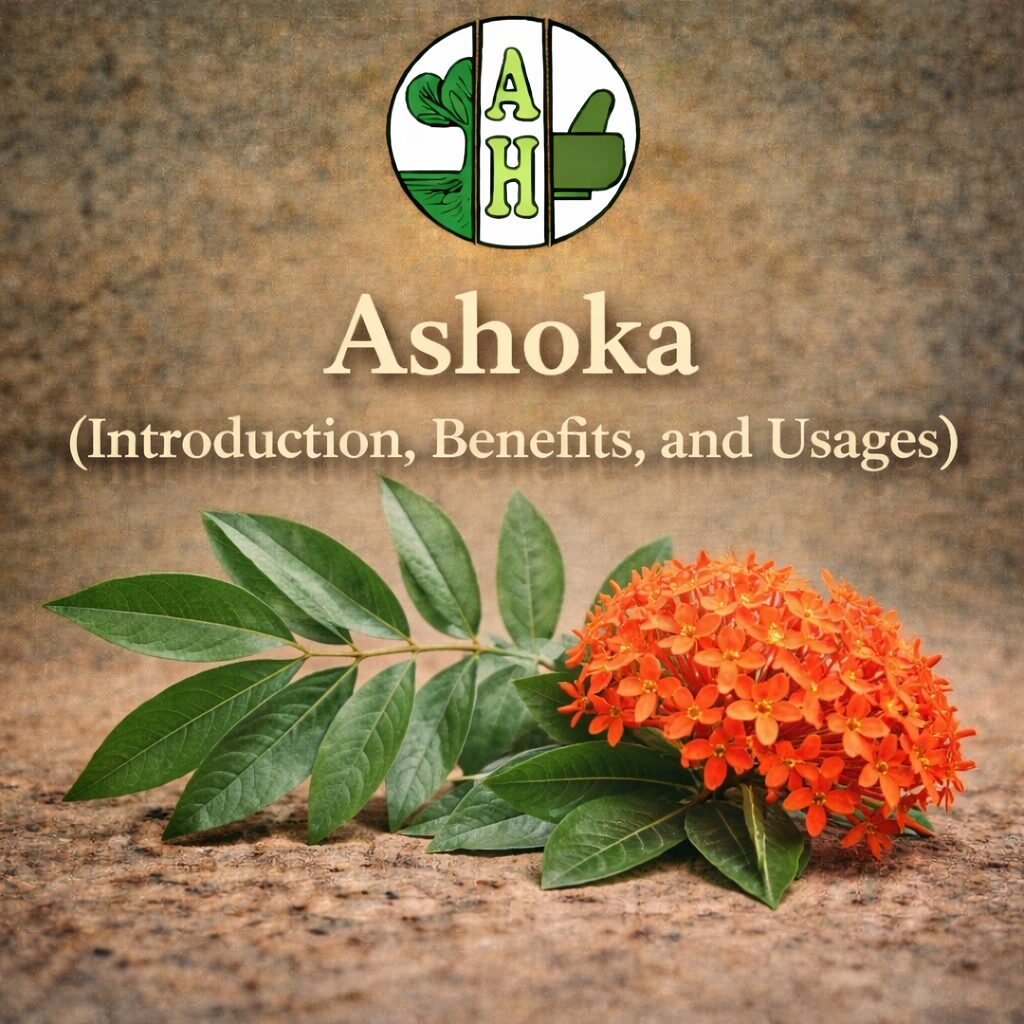
Ashoka (Introduction, Benefits, and Usages)
There are trees whose presence feels like poetry — rooted deep in culture, whispering ancient stories with every rustle of their leaves. The Ashoka tree is one such presence. For centuries, its fragrant flowers and healing bark have been entwined with human life, particularly in the Indian subcontinent, where it is admired not just as a botanical wonder but as a symbol of joy, womanhood, and inner harmony. In Sanskrit, “Ashoka” literally means without sorrow — and its tale in Ayurveda is as profound as its name suggests.
Though today’s wellness world constantly seeks new natural treasures, Ashoka’s timeless relevance is not a fad. Its roots — both literal and metaphorical — reach back through millennia of healing traditions, making it as relevant on a modern wellness shelf as it was in the gardens of ancient sages. This tree isn’t merely a medicinal plant; it’s a companion to human life transitions, especially those that resonate with the feminine rhythm of the body and psyche.
What Is Ashoka?
Botanically known as Saraca asoca, Ashoka belongs to the Fabaceae (legume) family and is a medium-sized evergreen tree adorned with deep green pinnate leaves and clusters of bright orange to red flowers. Its bark is thick, dark, and aromatic — the most commonly used part in Ayurveda. The tree flourishes in the tropical and subtropical regions of India, Sri Lanka, Nepal, and parts of Southeast Asia, often found in moist forest areas and cultivated gardens.
The herb is known by several names, expressing its cultural depth across regions: Ashoka (अशोक, Sanskrit), Asogam (Tamil), Ashok (Hindi), and Hemapushpa (meaning golden flower in classical texts). These names reflect both its physical beauty and spiritual stature in Indian traditions.
Ashoka in History and Culture
Ashoka’s story extends far beyond healing. In Indian mythology and folklore, the Ashoka tree stands as a symbol of love and wisdom — so much so that ancient art frequently depicted yakshis (female nature spirits) under its branches as icons of fertility and auspiciousness. In Buddhist lore, it is recounted that Gautama Buddha was born under an Ashoka tree, further forever anchoring the plant in spiritual history.
In the classical Ayurvedic texts such as the Bhavaprakasha Nighantu and Bhaishajya Ratnavali, Ashoka’s healing virtues are recorded extensively, especially for women’s health, emphasizing its actions on the uterus and reproductive system. Its reverence was not merely medicinal — the herb was often integrated into rituals, blessings, and life-cycle ceremonies as a plant that nurtures both body and soul.
Ayurvedic Properties
In Ayurvedic terms, Ashoka is predominantly Kasaya (astringent) and Tikta (bitter) in rasa (taste), with a Sheeta (cooling) virya (potency) and Katu vipaka (post‑digestive taste). It primarily pacifies Pitta and Kapha, with a balancing effect on Vata when used judiciously. Its key karma (actions) include Varnya (enhancing complexion and radiance), Stambhana (astringent, reducing excessive discharges), and Yonivardhana (uterine tonic) — making it particularly treasured in Stri Roga Chikitsa (women’s health).
Active Compounds and Modern Research
Modern phytochemical investigations have identified compounds such as flavonoids, tannins, catechins, glycosides, and β‑sitosterol in Ashoka bark and other plant parts, offering antioxidant, anti‑inflammatory, and astringent activities that align with traditional uses.
A 2023 comprehensive review notes Ashoka’s long history in ethnomedicine and highlights its various biologically active compounds that support traditional applications and point to continuing research and conservation interest.
Benefits of Ashoka
Support for Women’s Reproductive Health
It’s most celebrated role in Ayurveda is its gentle yet profound support for women’s reproductive systems. Traditionally used as a uterine tonic (Yonivardhana), it helps nurture uterine tissues, balance hormonal rhythms, and alleviate menstrual discomfort. Modern references report its soothing action on menstrual cramps and heavy bleeding — aligning with its historical use for Pradara (menorrhagia) and Kashtartava (painful menstruation).
Balances Hormonal Fluctuations
Beyond menstrual symptoms, Ashoka is believed to harmonize hormonal surges that often accompany PMS or perimenopause. Its cooling and astringent qualities help soothe inflammatory responses and tension that arise during these cycles, making it a calming ally in cyclical hormonal ups and downs.
Antipyretic and Anti‑Inflammatory Effects
Pharmacological studies on it seed extracts show significant antipyretic (fever‑reducing) effects in experimental models, potentially supporting traditional uses in fever and inflammatory conditions.
Antioxidant Support
Compounds like catechins and flavonoids contribute antioxidant properties that may protect cells against free radical stress — a benefit that resonates with Ayurvedic principles of Rasayana (rejuvenation) and modern antioxidant science alike.
Digestive Comfort and Detoxification
It’s astringent nature can aid digestive processes by supporting elimination and reducing bloating, while its bitterness may stimulate digestive fire (Agni), improving metabolism and toxin elimination.
Uplifting Skin and Blood Quality
The cooling (Sheeta) and Varnya properties are believed to cleanse the blood and soothe heat‑related skin conditions. While traditional texts emphasize radiant complexion and detoxification, modern users appreciate these effects for supporting clearer, calmer skin.
Anti‑Inflammatory and Analgesic Potential
Studies isolating specific flavanol glycosides from Ashoka bark report anti‑inflammatory activity, which complements its traditional use in reducing pain, swelling, and discomfort — from joint irritation to menstrual distress.
Classical Ayurvedic Formulations
In Ayurveda, It is a revered ingredient in formulations such as Ashokarishta (a fermented herbal tonic for gynecological and digestive support), Ashokaghrita (ghee‑based preparation for reproductive wellness), and Ashokakshirpak (an herbal infusion with nourishing properties). These preparations reflect Ashoka’s diverse applications, particularly in harmonizing female health and systemic balance.
How to Use Ashoka
Churna (Herbal Powder):
Mix 1–2 teaspoons of Ashoka bark powder with warm water or honey after meals once or twice daily to support menstrual comfort and reproductive wellness.
Kwath (Decoction):
Boil 1–2 teaspoons of dried Ashoka bark in 240 ml of water until it reduces to half; strain and drink 15–30 ml twice daily with warm water. Best consumed after meals for digestive and uterine support.
Ashoka Oil / Tailam:
Organic decoction of Ashoka bark infused in sesame or coconut oil can be used externally for soothing sore muscles or gentle abdominal self‑massage during cyclical discomfort. A tablespoon warmed slightly and applied in circular motions enhances circulation and comfort.
Raw Infusion:
Steep fresh Ashoka flowers in hot water to sip slowly as a calming tea that supports detoxification and lightens inflammatory heat.
Herbal Formulations:
Use classical Ashoka formulations like Ashokarishta as per practitioner guidance — typically 10–15 ml with equal water after meals for systemic rejuvenation.
Dose recommendations vary by individual constitution and condition; working with a qualified Ayurvedic physician ensures the right form and quantity for your needs.
Dosage and Safety
Standard adult doses of Ashoka bark powder generally range from ½ to 1 teaspoon up to twice daily. Pregnancy and breastfeeding warrant caution; Ashoka’s uterine actions may not be suitable without professional guidance. Individuals with existing medical conditions or those on medications should consult an Ayurvedic physician before use, as interactions and sensitivities can occur. Always begin with smaller quantities to assess tolerance.
Shop Section
If you are looking to bring the healing power of Ashoka into your daily wellness routine, Ayurvedaholic is your trusted destination for authentic Ayurvedic products. The platform carries a wide range of products from India’s most reputable Ayurvedic brands including Patanjali, Dabur, Baidyanath, and Kottakkal.
👉 Shop All Ayurvedic Products — Ayurvedaholic
Disclaimer
The information in this article is for educational purposes only and does not constitute medical advice, diagnosis, or treatment. Always consult a qualified Ayurvedic practitioner or healthcare professional before using any herb or formulation, especially if you are pregnant, breastfeeding, or on medication. Individual results may vary. Ayurvedaholic does not claim to diagnose, treat, cure, or prevent any disease.
References
- Charaka Samhita, Sutra Sthana, Chapter 26
- Bhavaprakasha Nighantu, Haritakyadi Varga
- Bhaishajya Ratnavali, Volume 2, Vatavyadhi Chikitsa — View on Internet Archive
- Urumarudappa SKJ et al. — “A comprehensive review on Saraca asoca (Fabaceae).” Journal of Ethnopharmacology, 2023 — View on PubMed
- Ahmad F. et al. — “Anti-inflammatory flavanol glycosides from Saraca asoca bark.” Nat Prod Res, 2016 — View on PubMed
Add comment