There are some herbs that, even before we know their scientific names, feel like old friends. Ashwagandha is one such herb — its very aroma evokes images of ancient Indian verandahs, rhythmic Vedic chants, and the slow, healing rhythms of nature. For centuries, this humble root has accompanied sages, warriors, and everyday people through the rollercoaster of life’s stresses, offering steadiness, resilience, and a quiet strength that modern life so desperately needs.
I still remember my first encounter with Ashwagandha in the herb garden of my Ayurvedic teacher. Its dusty green leaves and modest flowers seemed unremarkable at first glance, yet when the roots were brewed into a warm decoction, there was a grounding, centering quality that spoke straight to the nervous system. In a world buzzing with stimulants and screens, Ashwagandha is like an old lullaby — gentle, profound, and restorative.
What Is Ashwagandha?
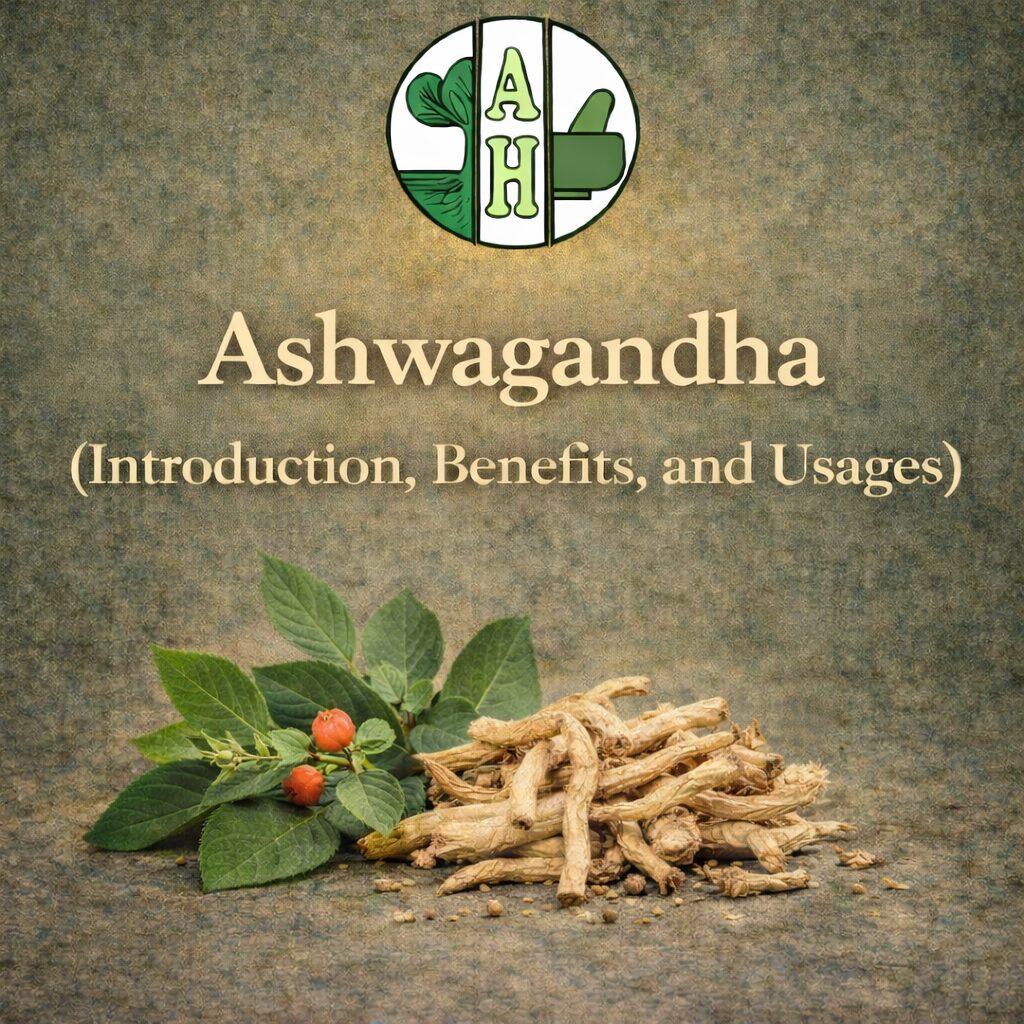
Ashwagandha, known botanically as Withania somnifera, belongs to the Solanaceae family — the same botanical relatives as tomatoes and eggplants. It is a small, woody shrub with oval leaves and tiny greenish-yellow flowers; however, its true treasure lies beneath the soil. The thick, fleshy roots are what Ayurveda prizes most and are used therapeutically.
Native to India, the Middle East, and parts of Africa, Ashwagandha thrives in dry, sandy soils under abundant sunlight. Across India, it goes by many names: Ashwagandha in Hindi and Sanskrit (अश्वगंधा), Amukkara in Tamil and Malayalam, Ajagandha in Kannada, Ashwagandha in Telugu, and Ashwagandh in Gujarati. The English name “Indian ginseng” hints at its revitalizing reputation, though botanically it isn’t related to true ginseng.
Ashwagandha in History and Culture
Ashwagandha’s roots in Ayurvedic texts run deep. Classical treatises like the Charaka Samhita and Bhavaprakasha Nighantu describe this herb as Rasayana — a rejuvenative tonic that nourishes, strengthens, and balances the body and mind. It was a trusted companion of warriors and monks alike, believed to enhance stamina and mental clarity.
Historical trade routes carried Ashwagandha across continents, introducing its virtues to Persians and Arabs. Folklore often associates the herb with strength and virility — its Sanskrit name means “the smell of a horse,” hinting at both its earthly aroma and its reputed ability to imbue vigor. Such stories paint a vivid tapestry of a plant entwined with human aspiration for resilience and well‑being.
Ayurvedic Properties
In Ayurvedic terms, Ashwagandha is bitter (Tikta) and astringent (Kashaya) in taste with a warming (Ushna) potency (Virya) and a pungent post‑digestive effect (Vipaka). It pacifies Vata and Kapha doshas while gently stimulating Agni (digestive fire). Its key karmas (actions) include Balya (strength‑promoting), Rasayana (rejuvenative), Medhya (nervine tonic), and Stambhana (restorative).
Active Compounds and Modern Research
Modern phytochemistry reveals that Ashwagandha is rich in withanolides — steroidal lactones that contribute to its adaptogenic and anti‑inflammatory effects. Other constituents like alkaloids, saponins, and flavonoids add layers of biological activity. Contemporary studies have begun to validate traditional claims, showing promise in stress modulation, cognitive support, and immune regulation through well‑designed clinical research.
Benefits of Ashwagandha
Stress Reduction and Emotional Balance
One of Ashwagandha’s most celebrated benefits is its ability to support the body’s response to stress. Traditional Ayurvedic wisdom speaks of its Rasayana quality — uplifting the spirit while calming the nervous system. Modern clinical trials echo this, showing significant reductions in cortisol levels and self‑reported stress scores in individuals taking standardized root extracts over several weeks. This dual action — nurturing both mind and body — makes Ashwagandha a cherished ally for anyone feeling overwhelmed by life’s demands.
Improved Energy and Stamina
For generations, Ashwagandha has been used to bolster physical strength and endurance. Ayurvedic practitioners view it as a Balya herb that nourishes Ojas — the subtle essence of vitality. Contemporary research supports these traditional uses, demonstrating enhancements in cardiorespiratory endurance and overall energy in participants who incorporated Ashwagandha into their daily routines. Whether you’re a weekend warrior or navigating long workdays, this herb can help steady your internal barometer of resilience.
Enhanced Cognitive Function
The calming, nourishing nature of Ashwagandha extends to the mind, where it acts as a Medhya (nervine‑tonic) herb. Classical texts describe its benefits for memory and clarity, and modern studies are investigating its potential to support cognitive performance and memory retention. Antioxidant properties may protect neuronal pathways from oxidative stress, creating a fertile ground for sharper focus and mental agility.
Hormonal Harmony
In Ayurvedic thought, Ashwagandha supports the endocrine system’s subtle dance — from thyroid balance to reproductive health. Contemporary science has observed that regular intake may help moderate thyroid function and support hormonal balance in both men and women. While not a substitute for medical care, the herb can be a gentle botanical companion in holistic wellness plans.
Immune Support
With its rich profile of bioactive compounds, Ashwagandha nourishes the immune system — a trait Ayurvedic texts implicitly celebrate through its role as a Rasayana. Modern in‑vitro and animal studies suggest immunomodulatory effects, helping the body maintain balanced responses to external stressors. In a world where resilience is more important than ever, this aspect adds another layer to Ashwagandha’s timeless appeal.
Anti‑Inflammatory and Cellular Wellness
Ayurveda teaches that chronic inflammation is a root of many imbalances. Ashwagandha’s traditional use to soothe and strengthen aligns with modern findings that highlight its anti‑inflammatory and antioxidant potential. This makes it a supportive herb for overall cellular wellness and may contribute to healthy aging when used as part of a balanced routine.
Classical Ayurvedic Formulations
It often features in revered classical formulations. Chyawanprasha — a honey‑based herbal jam — marries Ashwagandha with a symphony of revitalizing botanicals for holistic nourishment. Ashwagandharishta, a fermented herbal wine, is traditionally used to support strength and digestive health. These preparations showcase the herb’s versatility in time‑honored Ayurvedic pharmacopeia.
How to Use Ashwagandha
Churna (Powder)
Ashwagandha root powder is one of the most accessible forms. Take 1–2 teaspoons (about 3–6 grams) daily with warm water, milk, or honey as the anupana (vehicle) to enhance absorption. Milk with a dash of turmeric makes a soothing evening tonic that supports sleep and relaxation.
Kwath (Decoction)
To make a decoction, simmer 1–2 teaspoons of powder in 2 cups of water until reduced to 1 cup. Strain and drink warm, ideally on an empty stomach in the morning. This method concentrates the root’s properties for internal balance.
Standardized Extracts
For those seeking targeted effects, standardized Ashwagandha extracts (often titrated to withanolides) can be taken in capsule form as directed by a healthcare provider — commonly 300–600 mg once or twice daily with meals.
Infused Oils (Taila)
Itcan be infused into oils for external use, especially in Abhyanga (therapeutic massage). A warm Ashwagandha oil gently massaged into the body can calm the nervous system and support muscular relaxation.
Decoction Steams
In Ayurvedic practice, herbal steam inhalations with Ashwagandha added to warm water can soothe sinus tension and encourage deep breathing. This method is especially comforting during seasonal imbalance transitions.
Dosage and Safety
For most adults, 300–600 mg of high‑quality Ashwagandha extract or 3–6 grams of root powder daily is considered supportive. Caution is advised during pregnancy and breastfeeding, and those with autoimmune conditions, thyroid disorders, or taking sedative medications should consult a qualified Ayurvedic practitioner before use. As with all botanicals, individual responses vary, so personalized guidance ensures safe, effective integration.
If you are looking to bring the healing power of Ashwagandha into your daily wellness routine, Ayurvedaholic is your trusted destination for authentic Ayurvedic products. The platform carries a wide range of products from India’s most reputable Ayurvedic brands including Patanjali, Dabur, Baidyanath, and Kottakkal.
👉 Shop All Ayurvedic Products — Ayurvedaholic
Disclaimer
The information in this article is for educational purposes only and does not constitute medical advice, diagnosis, or treatment. Always consult a qualified Ayurvedic practitioner or healthcare professional before using any herb or formulation, especially if you are pregnant, breastfeeding, or on medication. Individual results may vary. Ayurvedaholic does not claim to diagnose, treat, cure, or prevent any disease.
References
- Charaka Samhita, Sutra Sthana, Chapter 26
- Bhavaprakasha Nighantu, Haritakyadi Varga
- Bhaishajya Ratnavali, Volume 2, Vatavyadhi Chikitsa — View on Internet Archive
- Singh N. et al. — “Withania somnifera (Ashwagandha): A review.” Alternative Medicine Review, 2011 — View on PubMed
- Chandrasekhar K. et al. — “A prospective, randomized double-blind study on Withania somnifera extract on stress and anxiety.” Indian Journal of Psychological Medicine, 2012 — View on PubMed