
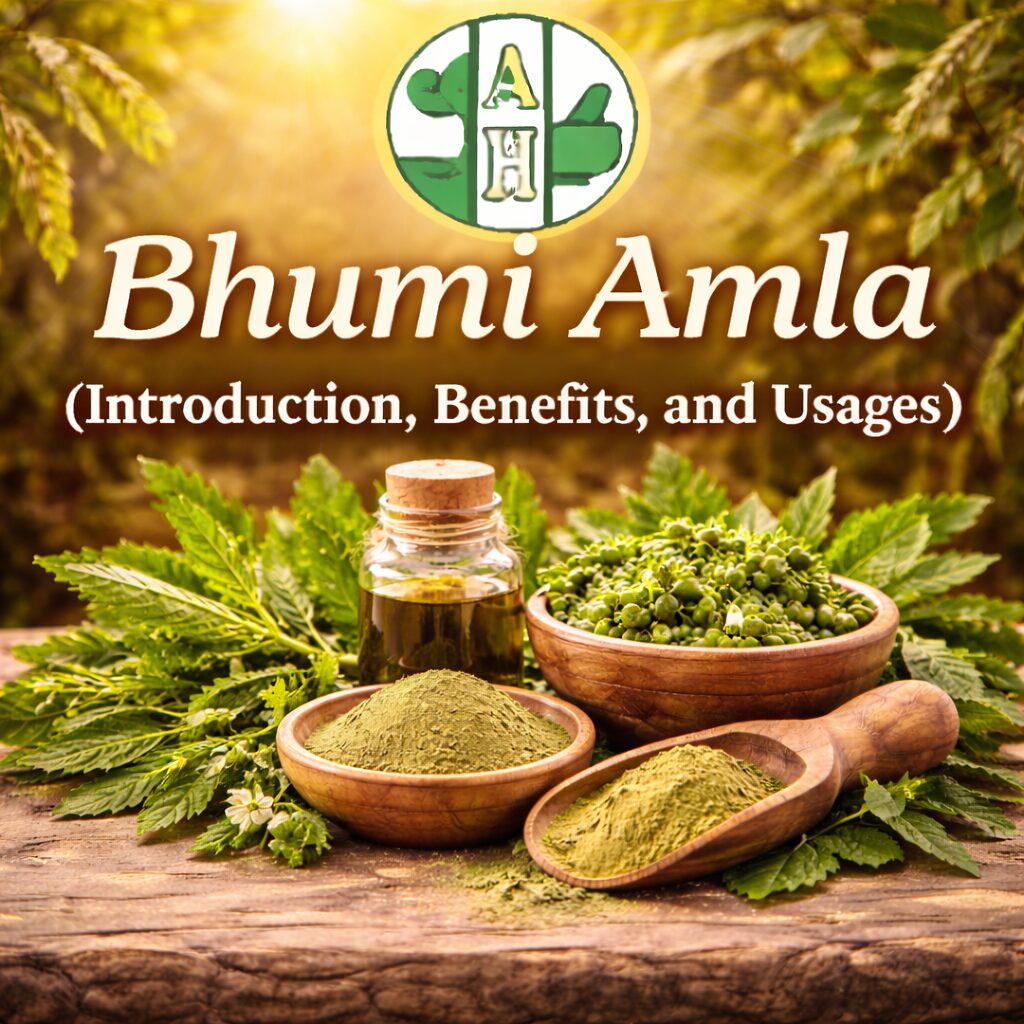
Bhumi Amla (Introduction, Benefits, and Usages)
Ayurveda has been a beacon of wisdom for thousands of years, offering natural healing and a holistic approach to wellness. In its treasure trove of herbs, some stand out for their profound medicinal and spiritual significance, deeply woven into the cultural and traditional fabric of India. Bhumi Amla, also known as Phyllanthus niruri, is one such herb that has earned its place in the Ayurvedic community for its exceptional health benefits. Often referred to as the “stone breaker” in common parlance, this unassuming plant has the power to assist the body in ways that few others can. Whether you’re battling liver ailments, managing your kidney health, or simply looking to detoxify, Bhumi Amla stands as a gentle yet powerful ally.
This humble herb, celebrated for its adaptability and healing prowess, continues to be a source of awe for Ayurvedic practitioners, herbalists, and natural medicine advocates across the world. In a modern world teeming with synthetic solutions and quick fixes, Bhumi Amla offers a refreshing return to nature’s pharmacy, reminding us of the importance of taking a holistic approach to health.
What Is Bhumi Amla?
Bhumi Amla, scientifically known as Phyllanthus niruri, belongs to the Euphorbiaceae family. It is a small, herbaceous plant that can be found growing abundantly in tropical and subtropical regions, especially in India, Southeast Asia, and parts of Africa. The plant has slender, green stems and leaves with a distinct, simple oval shape. Its small, inconspicuous flowers bloom in clusters, and its fruit, often mistaken for a tiny berry, is an important part of its therapeutic use. It is commonly known as Bhumi Amla in Hindi, Bhumyamalaki in Sanskrit, and Chanca Piedra in Spanish-speaking countries, where it is regarded as a powerful stone-breaker.
Bhumi Amla is found growing in a variety of environments, ranging from roadsides to fields, often in areas with humid conditions. It thrives in places with poor soil, symbolizing its ability to grow and heal in even the harshest environments. This resilience is part of its charm, as it mirrors the healing journey that Ayurveda encourages—transforming ailments through balanced, natural processes.
Bhumi Amla in History and Culture
Bhumi Amla has a revered place in Ayurvedic literature, often mentioned for its detoxifying and cleansing properties. The Charaka Samhita, one of the cornerstone texts of Ayurveda, describes Phyllanthus niruri for its remarkable ability to detoxify the liver and kidneys, making it invaluable for treating conditions such as jaundice and other liver disorders. Its mention in the Bhavaprakasha Nighantu, an important Ayurvedic text, highlights its significance as a potent herb for maintaining digestive and liver health.
Historically, Bhumi Amla has been utilized in traditional medicine systems across India, Southeast Asia, and even in South America. In Ayurvedic culture, it is often prescribed in a variety of forms, from powdered preparations to juices and decoctions, each tailored to address specific imbalances in the body. Bhumi Amla is also regarded as a sacred herb, often used in religious practices and rituals due to its purifying nature, symbolizing the balance of elements in the body and the environment.
Ayurvedic Properties
In Ayurveda, Bhumi Amla is classified based on its energetic qualities, known as Rasa, Guna, Virya, and Vipaka:
- Rasa (Taste): Bitter (Tikta) and slightly sour (Amla), which aid in detoxification and cleansing.
- Guna (Qualities): Light (Laghu) and dry (Ruksha), making it effective in reducing excess moisture and heaviness in the body.
- Virya (Potency): Cooling (Shita), which soothes inflammation and helps balance the Pitta dosha.
- Vipaka (Post-digestive effect): Pungent (Katu), which contributes to its ability to cleanse and promote healthy digestion.
As a herb, Bhumi Amla is especially effective for balancing the Pitta and Kapha doshas. Its cooling and drying properties make it invaluable for individuals with Pitta imbalances, as it can help mitigate symptoms like acidity, inflammation, and excessive heat. It also assists in clearing excess Kapha, particularly when it manifests in the form of sluggish digestion or water retention.
Active Compounds and Modern Research
The medicinal potency of Bhumi Amla lies in its rich composition of bioactive compounds. Studies have identified several important phytochemicals, including flavonoids, alkaloids, and lignans, such as phyllanthin and hypophyllanthin, which contribute to its hepatoprotective (liver-protecting) and diuretic (fluid-releasing) effects. Modern research has confirmed its role in reducing liver enzymes, thereby supporting liver function and promoting the regeneration of liver cells.
Recent studies also underscore its remarkable potential in managing kidney stones, leading to its popular nickname, “stone breaker.” The herb’s ability to flush out toxins and support the body’s natural cleansing processes makes it a holistic remedy in modern times, as it addresses issues of both the digestive and excretory systems. Additionally, Bhumi Amla has demonstrated antioxidant properties, which help fight oxidative stress and reduce the risk of chronic diseases.
Bhumi Amla Benefits
1. Liver Health and Detoxification
Bhumi Amla is a champion in Ayurvedic liver detoxification. It aids in the regeneration of liver cells, helping the liver detoxify and break down harmful toxins. Modern research supports its use in managing liver diseases such as hepatitis and cirrhosis. Its ability to lower liver enzyme levels and improve bile production makes it an invaluable herb for detox regimens.
2. Kidney Stone Prevention
Known as the “stone breaker,” Bhumi Amla helps in preventing and dissolving kidney stones. This benefit is particularly important for those suffering from recurrent urinary tract infections or those who are prone to the formation of stones. It works by promoting urination, thus flushing out excess minerals and waste that could form stones in the kidneys.
3. Supporting Healthy Digestion
Bhumi Amla promotes healthy digestion by stimulating the digestive fire (Agni), improving appetite, and relieving bloating and indigestion. Its bitter taste helps balance excess Kapha and cleanses the digestive tract, enhancing overall digestive efficiency and gut health.
4. Anti-inflammatory Properties
The cooling nature of Bhumi Amla makes it a powerful anti-inflammatory herb. It can be used in managing conditions such as arthritis and other inflammatory disorders, as it helps to reduce swelling and pain. Its cooling effect is particularly beneficial for calming the Pitta dosha.
5. Immune System Support
Bhumi Amla strengthens the immune system by increasing the body’s resistance to infections. Its antioxidant properties protect the body from free radical damage and help in fighting off pathogens that cause illness. It is a great herb to boost vitality, especially in the colder months when immune health tends to dip.
6. Skin Health
The detoxifying and cooling properties of Bhumi Amla also extend to skincare. It is often used in Ayurvedic formulations for acne, skin irritations, and to promote a healthy, glowing complexion. It helps clear impurities from the skin, reducing blemishes and inflammation.
7. Managing Blood Sugar Levels
Some studies suggest that Bhumi Amla may help regulate blood sugar levels. Its ability to improve insulin sensitivity makes it a valuable herb for those with diabetes or pre-diabetic conditions. It also helps in managing blood pressure and cholesterol levels, contributing to overall cardiovascular health.
8. Mental Clarity and Stress Relief
Bhumi Amla has a calming effect on the mind and body. By balancing the Pitta dosha, it helps reduce stress, anxiety, and mental fatigue. Its cooling nature brings clarity and calmness, promoting mental well-being and emotional stability.
Classical Ayurvedic Formulations
In Ayurveda, Bhumi Amla is used in various classical preparations, some of the most notable being:
- Chandraprabha Vati: An important formulation for detoxifying and cleansing the liver and kidneys.
- Bhumyamalaki Churna: A powder used for promoting liver health and managing liver diseases.
- Punarnavadi Mandura: A classical remedy that combines Bhumi Amla with other herbs to promote kidney health and treat conditions like edema.
How to Use Bhumi Amla
There are several ways to incorporate Bhumi Amla into your daily routine:
- Churna (Powder): A commonly used form, Bhumi Amla powder can be mixed with warm water or honey. The typical dosage is 1–2 grams per day, taken after meals.
- Kwath (Decoction): Boil 5–10 grams of Bhumi Amla in water for 5–10 minutes and drink it twice daily. It is often consumed with ginger or cumin to enhance its digestive properties.
- Juice: Fresh Bhumi Amla juice can be consumed in small quantities, about 20–30 ml per day. It is best taken in the morning on an empty stomach.
- Paste: Make a paste using the fresh herb and apply it externally for skin conditions like acne and eczema.
- Oil: Bhumi Amla oil is used for massaging sore joints and muscles to relieve inflammation and pain.
Dosage and Safety
The typical dosage for Bhumi Amla in powder form is 1–2 grams daily. For the juice, 20–30 ml per day is sufficient. It is important to take Bhumi Amla with an appropriate Anupana (vehicle), such as water, honey, or ghee, depending on your specific health needs.
While Bhumi Amla is generally safe for most individuals, it should be avoided by pregnant women and those with known allergies to plants in the Euphorbiaceae family. Always consult a qualified Ayurvedic practitioner before beginning regular use.
Shop Section
If you are looking to bring the healing power of Bhumi Amla into your daily wellness routine, Ayurvedaholic is your trusted destination for authentic Ayurvedic products from India’s most reputable brands including Patanjali, Dabur, Baidyanath, and Kottakkal.
Closing Paragraph
In a world that often demands quick fixes and instant solutions, the power of Bhumi Amla reminds us that nature’s wisdom is timeless. This herb, with its deep roots in Ayurvedic tradition and modern scientific backing, offers a pathway to holistic health that nourishes the body from within. Whether you’re seeking to detoxify, improve digestion, or simply feel more balanced, Bhumi Amla holds the key to unlocking your body’s natural healing potential.
Disclaimer
The information in this article is for educational purposes only and does not constitute medical advice, diagnosis, or treatment. Always consult a qualified Ayurvedic practitioner or healthcare professional before using any herb or formulation, especially if you are pregnant, breastfeeding, or on medication. Individual results may vary. Ayurvedaholic does not claim to diagnose, treat, cure, or prevent any disease.
References :
- Wikipedia – Phyllanthus niruri (Bhumi Amla): https://en.wikipedia.org/wiki/Phyllanthus_niruri
- Medical News Today – Bhumi Amla Uses: https://www.medicalnewstoday.com/articles/phyllanthus-niruri

Add comment