
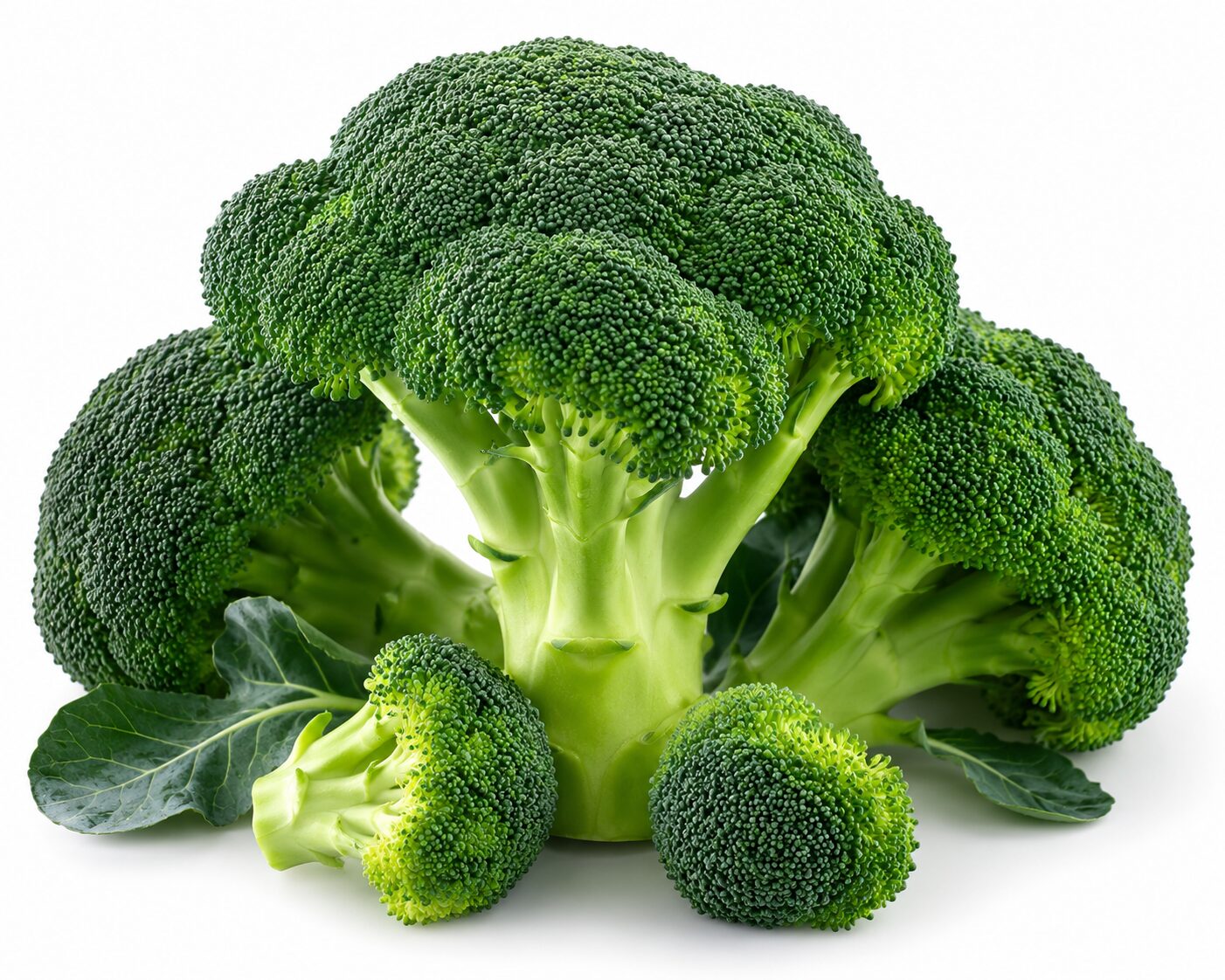
Broccoli (Introduction, Benefits, and Usages)
Broccoli benefits are backed by some of the strongest nutritional science available — this cruciferous vegetable contains sulforaphane, one of the most potent anticancer compounds found in food, alongside vitamin C, vitamin K, folate, fibre, and a broad spectrum of glucosinolates with documented health effects. The epidemiological evidence is consistent: high cruciferous vegetable intake is associated with reduced risk of breast, prostate, colorectal, and lung cancers, and cardiovascular disease. See Wikipedia: Broccoli. For related cruciferous vegetables, explore Cabbage and Spinach.
What Is Broccoli? A Complete Introduction
Origin and History of Broccoli
Broccoli (Brassica oleracea var. italica) was developed from wild cabbage in ancient Italy — the name comes from the Latin “brachium” meaning arm or branch, referring to its tree-like structure. Roman farmers cultivated it as early as the 6th century BCE. It spread through Italian cuisine and was largely an Italian specialty until Catherine de Medici brought it to France in the 16th century, eventually spreading across Europe. Broccoli was introduced to the Americas by Italian immigrants in the early 20th century. Nutritional science’s focus on sulforaphane from the 1990s onwards has elevated broccoli from ordinary vegetable to medicinal superfood.
Key Compounds and Nutritional Profile
Broccoli’s primary medicinal compound is sulforaphane — formed when the glucosinolate glucoraphanin is hydrolysed by the enzyme myrosinase upon chopping or chewing. Sulforaphane is one of the most potent activators of the Nrf2 pathway known, inducing a broad programme of cellular antioxidant and detoxification enzyme production. Broccoli also provides significant indole-3-carbinol (I3C, which converts to DIM in stomach acid) with oestrogen-modulating and anticancer effects, vitamin C (90 mg per 100g — more than an orange), vitamin K, folate, and calcium. See Wikipedia: Sulforaphane.
Top Health Benefits of Broccoli
Broccoli Benefits for Immunity and Overall Health
Broccoli’s cancer-preventive effects are its most documented benefit. Epidemiological studies consistently show that eating cruciferous vegetables 3–5 times per week is associated with 30–50% reduced risk of several cancers, particularly colorectal, breast, prostate, and lung. Sulforaphane induces phase II detoxification enzymes (glutathione S-transferases, quinone reductase) that neutralise carcinogens before they damage DNA. It also directly inhibits histone deacetylases (HDACs), restoring normal tumour suppressor gene expression in cancer cells.
For immune function, broccoli’s vitamin C (90 mg/100g) supports white blood cell production and function. The glucosinolates have antimicrobial activity, and sulforaphane has direct antiviral effects against respiratory viruses including influenza.
Broccoli for Skin, Hair, and Beauty
Sulforaphane protects skin from UV radiation by inducing Nrf2-driven antioxidant enzyme production — a clinical trial found applying sulforaphane-rich broccoli sprout extract to skin significantly reduced UV-induced redness and DNA damage. For anti-ageing, sulforaphane promotes autophagy (cellular self-cleaning), removing damaged proteins that accumulate in aged skin cells. Broccoli seed oil — a fatty acid profile similar to silicone — provides exceptional hair smoothing and shine without synthetic silicone content, making it a popular natural haircare ingredient.
Medicinal Properties of Broccoli
How Broccoli Works as a Natural Remedy
Sulforaphane’s mechanism centres on Nrf2 pathway activation. Nrf2 is a transcription factor that induces over 200 cytoprotective genes when activated — antioxidant enzymes (superoxide dismutase, catalase, glutathione peroxidase), phase II detoxification enzymes, anti-inflammatory proteins, and molecular chaperones. This broad upregulation of cellular defences explains sulforaphane’s documented effects across cancer prevention, cardiovascular protection, neuroprotection, and anti-ageing. Indole-3-carbinol (I3C) and its metabolite DIM modulate oestrogen metabolism — promoting conversion to the less proliferative 2-hydroxyoestrone rather than the more proliferative 16-alpha-hydroxyoestrone — relevant to oestrogen-dependent cancers.
Broccoli in Ayurveda and Traditional Medicine
Broccoli isn’t a classical Ayurvedic herb — it’s a Mediterranean cultivar not historically available in India. However, it’s readily incorporated into Ayurvedic nutritional principles. In Ayurvedic terms, broccoli is astringent and slightly bitter, cooling, and primarily Pitta-reducing with some Kapha-reducing activity through its bitter quality. The Brassica family (which includes Indian vegetables like sarson/mustard greens) has long been used in Indian cuisine and traditional practice. Contemporary Ayurvedic practitioners embrace broccoli enthusiastically, recognising its sulforaphane-driven Deepana and Lekhana (digestive-stimulating and fat-scraping) properties.
How to Use Broccoli — Practical Usages
Broccoli in Food, Tea, and Cooking
Chop broccoli and wait 40 minutes before cooking — this allows myrosinase enzyme to complete the conversion of glucoraphanin to sulforaphane before heat inactivates the enzyme. Steaming (3–4 minutes maximum) preserves significantly more sulforaphane than boiling, microwaving, or roasting. Broccoli sprouts contain 10–100 times more glucoraphanin than mature broccoli — a tablespoon of sprouts on a salad delivers more sulforaphane than a full serving of broccoli. Eat with mustard seeds or radish (both contain myrosinase) to boost sulforaphane production even in cooked broccoli.
Broccoli as a Supplement or Topical Application
Broccoli sprout extract supplements (standardised to glucoraphanin or sulforaphane content) allow precise sulforaphane dosing — 10–40 mg of sulforaphane daily is the therapeutic range used in most clinical research. Look for supplements that contain active myrosinase enzyme (for glucoraphanin-standardised products) or pre-formed sulforaphane. Broccoli seed oil applied topically to hair provides exceptional conditioning, frizz control, and shine — a few drops rubbed into the palms and worked through damp or dry hair is all that’s needed. For skin, sulforaphane-containing broccoli sprout extract creams are available for UV protection and anti-ageing applications.
Side Effects and Precautions of Broccoli
- Thyroid: raw cruciferous vegetables contain goitrogens that may reduce thyroid hormone production in people with existing thyroid conditions — cooking largely deactivates these; if you have hypothyroidism, cook broccoli rather than eating it raw in large amounts
- Blood thinning medication: high vitamin K content can interact with warfarin — maintain consistent intake and monitor INR
- Gas and bloating: broccoli’s fibre and raffinose can cause significant gas in people with sensitive digestion — steam thoroughly, eat in moderate portions, and consider digestive enzymes if a problem
- Kidney stones: moderate oxalate content — people prone to oxalate kidney stones should moderate large daily amounts
Frequently Asked Questions About Broccoli
What are the main broccoli benefits for health?
Key broccoli benefits: cancer prevention through sulforaphane’s Nrf2 activation and HDAC inhibition (30–50% cancer risk reduction in epidemiological studies), cardiovascular protection, liver detoxification support, immune enhancement through vitamin C, bone health through vitamin K and calcium, anti-ageing through sulforaphane-driven autophagy, blood sugar management through chromium and fibre, and eye health through lutein and zeaxanthin.
How should I cook broccoli to maximise health benefits?
Chop broccoli and wait 40 minutes before cooking. Then steam for 3–4 minutes maximum. This two-step process allows the myrosinase enzyme to produce sulforaphane before heat inactivates it, then the short steaming preserves what’s been made while still improving digestibility. Boiling, especially for over 5 minutes, destroys most glucosinolates. Eating broccoli sprouts raw or lightly steamed provides the highest sulforaphane yield of all preparation methods.
Are broccoli sprouts more nutritious than broccoli?
For sulforaphane specifically, yes — dramatically so. Three-day-old broccoli sprouts contain 10–100 times more glucoraphanin (the sulforaphane precursor) than mature broccoli. A tablespoon of sprouts delivers more sulforaphane than a full serving of mature broccoli. However, mature broccoli provides more vitamin C, vitamin K, fibre, and overall macro and micronutrient content. The ideal approach: eat regular broccoli 3–5 times weekly for broad nutrition, and add broccoli sprouts to salads and sandwiches for concentrated sulforaphane dosing.
How to use broccoli in traditional medicine?
Broccoli in traditional medicine contexts: European folk medicine used Brassica vegetables for liver conditions, skin eruptions, and wound healing (reflecting their detoxification and anti-inflammatory properties). Contemporary traditional medicine practice uses broccoli for cancer prevention protocols, liver detoxification, hormonal balance (DIM for oestrogen dominance), and cardiovascular health. Broccoli sprout preparations are increasingly used in naturopathic medicine for their concentrated sulforaphane content.
Can broccoli help with diabetes?
Yes, broccoli supports blood sugar management through several mechanisms. The fibre slows carbohydrate digestion and glucose absorption. Sulforaphane inhibits hepatic glucose production through AMPK activation and reduces gluconeogenesis. A clinical study found broccoli sprout extract significantly reduced fasting blood sugar in type 2 diabetic patients over 12 weeks. Chromium in broccoli enhances insulin sensitivity. Regular broccoli consumption is associated with reduced type 2 diabetes risk in large epidemiological studies.
Broccoli benefits are most fully realised when you eat it regularly and prepare it correctly. Chop first, wait, then steam briefly — this simple technique dramatically increases the sulforaphane you actually absorb. Add broccoli sprouts to your meals for an extra sulforaphane dose. At 3–5 servings per week, you’re providing your cells with one of the most potent food-based anticancer and detoxification tools known to nutritional science. It’s not just a vegetable — it’s a medicine you eat for breakfast.

Add comment