
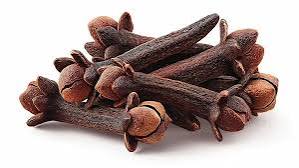
Clove benefits have been recognised across virtually every major traditional medicine system that has ever had access to this remarkable spice — Ayurveda, Traditional Chinese Medicine, Unani, and European herbalism all independently arrived at similar applications for its analgesic, antimicrobial, anti-inflammatory, and digestive properties. And modern pharmacology has validated these traditional insights with unusual precision: the primary compound eugenol is now used in pharmaceutical dentistry, antiseptic products, and continues to be studied for anti-cancer potential. This is a genuinely potent medicinal plant hiding in every spice rack. See Wikipedia: Clove. For related powerful medicinal spices, explore Cinnamon and Cardamom.
What Is Clove? A Complete Introduction
Origin and History of Clove
Cloves are the dried flower buds of Syzygium aromaticum (Eugenia caryophyllata), an evergreen tree native to the Maluku Islands (Spice Islands) of eastern Indonesia. Cloves were so valued in antiquity that they drove some of history’s most consequential geopolitical conflicts — the Portuguese, Dutch, and British East India Companies all fought wars at least partly over control of the Spice Islands clove trade. Archaeological evidence suggests cloves were traded across Asia to the Middle East over 2,000 years ago; they appear in ancient Chinese court records as a breath freshener used by officials addressing the emperor.
Key Compounds and Nutritional Profile
Eugenol accounts for 70–90% of clove essential oil and is responsible for most of its therapeutic properties. It’s a potent COX-1 and COX-2 inhibitor (the same enzymes targeted by ibuprofen and aspirin), explaining the analgesic and anti-inflammatory effects. It’s also a powerful antimicrobial — active against bacteria, fungi, and even viruses at relevant concentrations. Acetyl eugenol, beta-caryophyllene, and gallic acid provide additional anti-inflammatory, antioxidant, and analgesic contributions. Cloves have one of the highest antioxidant ORAC values of any food — higher than acai berry, blueberry, or dark chocolate at equivalent weights. See Wikipedia: Eugenol.
Top Health Benefits of Clove
Clove Benefits for Immunity and Overall Health
Clove’s antioxidant capacity is extraordinary — even small culinary amounts provide significant antioxidant protection. The eugenol, gallic acid, and flavonoids together reduce oxidative stress markers, protect DNA from oxidative damage, and support the antioxidant enzyme systems (superoxide dismutase, catalase, glutathione peroxidase) that form the body’s primary cellular defence. Research shows clove extract significantly reduces lipid peroxidation — relevant to cardiovascular disease and cellular ageing prevention.
Antimicrobial breadth is impressive: clove oil is active against bacteria (including MRSA and H. pylori), fungi (Candida species, dermatophytes, Aspergillus), and some viruses. H. pylori specifically — the bacterium responsible for most peptic ulcers — is inhibited by eugenol at concentrations achievable through dietary clove consumption, providing a food-medicine rationale for clove use in digestive health.
Clove for Skin, Hair, and Beauty
Clove’s antimicrobial and anti-inflammatory properties make it effective for acne — eugenol kills C. acnes bacteria and reduces the inflammatory response that causes nodular acne. Clove powder mixed with honey makes a simple antimicrobial face mask. The antioxidant compounds protect skin from premature ageing. Clove oil applied to the scalp (highly diluted in a carrier oil) has antifungal properties that address dandruff and scalp infections.
Caution: clove essential oil is one of the most potent and potentially irritating of all essential oils — it causes severe burns if applied undiluted to skin. Always use at maximum 1% dilution in a carrier oil for topical application, and never apply near eyes or sensitive skin areas.
Medicinal Properties of Clove
How Clove Works as a Natural Remedy
Clove’s most pharmacologically precise application is dental pain relief. Eugenol applied topically to dental tissue produces rapid, reliable analgesia through TRPV1 receptor desensitisation and sodium channel blockade — the same mechanisms used by local anaesthetic drugs. This is why zinc oxide eugenol (ZOE) cement — a pharmaceutical preparation using eugenol — has been standard in dental practice for over a century. Clove oil applied to a toothache or temporary dental filling provides genuine, pharmacologically valid pain relief (not placebo).
For digestion, clove’s carminative (gas-relieving) and antispasmodic properties are well-established — it relaxes intestinal smooth muscle, stimulates digestive secretion, and has antimicrobial action against digestive pathogens. Blood sugar effects are also documented — clove extract improves insulin sensitivity and inhibits alpha-glucosidase (an enzyme that breaks down dietary carbohydrates), reducing postprandial glucose spikes.
Clove in Ayurveda and Traditional Medicine
In Ayurveda, clove (Lavanga) is classified as Deepana (digestive stimulant), Pachana (digestant), and Vata-Kapha reducing with strong Ushna (heating) properties. Classical indications include Shwasa (respiratory conditions), Kasa (cough), Hikka (hiccup), Chardi (vomiting), Mukharoga (oral diseases), and Dantashoola (toothache). Lavanga is a common ingredient in compound Ayurvedic formulations including Lavangadi Vati, Sitopaladi Churna, and Talisadi Churna. In Chinese medicine, clove (Ding Xiang) warms the Spleen and Stomach and is used for hiccup, nausea, and cold-type abdominal pain. See Wikipedia: Syzygium aromaticum.
How to Use Clove — Practical Usages
Clove in Food, Tea, and Cooking
Add whole cloves to rice, biryani, curries, and slow-cooked dishes. The heat during cooking releases eugenol, providing digestive and antimicrobial benefit to the food. Clove tea: steep 2–3 whole cloves in boiling water for 10 minutes; drink after meals for digestive support. Clove chai (combined with cinnamon, cardamom, ginger, and black pepper) is one of the most antioxidant-rich beverages you can make at home. For oral health, chew 1 clove after meals — the eugenol provides antibacterial action in the mouth, reduces gum inflammation, and freshens breath.
Clove as a Supplement or Topical Application
Toothache: apply 1 drop of clove essential oil on a cotton ball and hold gently against the affected tooth — this provides temporary pain relief while arranging dental care. Topical skin: dilute clove oil to maximum 1% in carrier oil (1 drop in 5 ml) before any skin application. Supplement: clove powder capsules (100–500 mg daily) provide antioxidant and blood sugar-modulating benefits. Don’t exceed culinary-equivalent doses internally without medical guidance — high-dose clove oil internally can cause liver toxicity.
Side Effects and Precautions of Clove
- Clove oil is potent: undiluted application burns skin and mucous membranes — always dilute; maximum 1% for skin, use very sparingly in the mouth
- Eugenol in excess: high doses can cause liver toxicity and inhibit blood clotting — don’t take large amounts of clove oil internally
- Blood thinners: eugenol is a potent platelet aggregation inhibitor — avoid high-dose clove supplements if on anticoagulant medications
- Pregnancy: culinary use is safe; avoid clove oil or high-dose supplements during pregnancy
- Allergy: eugenol allergy occurs in some individuals — causes contact sensitisation with repeated exposure
Frequently Asked Questions About Clove
What are the top clove benefits for health?
The most documented clove benefits are dental analgesia (eugenol blocks pain receptors and sodium channels), exceptional antioxidant protection (among the highest ORAC values of any food), broad-spectrum antimicrobial action including against H. pylori and MRSA, anti-inflammatory effects via COX inhibition, digestive stimulant and carminative action, and blood sugar management through alpha-glucosidase inhibition.
How to use clove for toothache?
Apply 1 drop of clove essential oil to a small piece of cotton wool and hold against the painful tooth for 5–10 minutes. Alternatively, chew a whole clove gently near the affected area. This provides temporary relief through eugenol’s local anaesthetic action while you arrange dental care. Don’t apply clove oil directly to the gum without cotton ball buffer — direct contact with gum tissue can cause chemical burns.
What is clove called in Ayurveda?
Clove is called Lavanga in Ayurveda. It’s classified as heating, pungent, and Vata-Kapha reducing — used for respiratory, digestive, and oral health conditions. It appears in many classical compound formulations including Sitopaladi Churna (respiratory), Lavangadi Vati (digestive), and various dental and oral health preparations. It’s one of Ayurveda’s most important aromatic medicinal spices alongside cardamom and cinnamon.
Is clove good for oral health?
Absolutely — this is clove’s best-evidenced application. Eugenol kills oral bacteria including Streptococcus mutans (the primary cavity-causing bacteria) and Porphyromonas gingivalis (associated with gum disease). Chewing cloves after meals provides direct antimicrobial contact with oral tissues. Clove-based mouthwashes and gels are used in clinical dentistry. It’s one of the most effective natural oral health tools available.
How many cloves should I eat per day?
1–3 whole cloves daily chewed after meals is a safe, therapeutic, and traditional approach to accessing clove benefits. This provides meaningful amounts of eugenol and antioxidant flavonoids without exceeding safe doses. At culinary quantities in cooking, cloves are universally safe. It’s only at essential oil doses that toxicity becomes a concern — the whole spice is a food, not a concentrated drug.
Clove benefits are diverse and genuinely potent — this tiny dried flower bud is one of the most medicinally active culinary spices on earth. Use it in cooking daily, chew 1–2 after meals for oral health, keep clove oil on hand for toothache emergencies, and appreciate that your spice rack contains one of pharmacology’s most studied natural compounds. It’s accessible, affordable, and remarkably effective when used correctly.

Add comment