
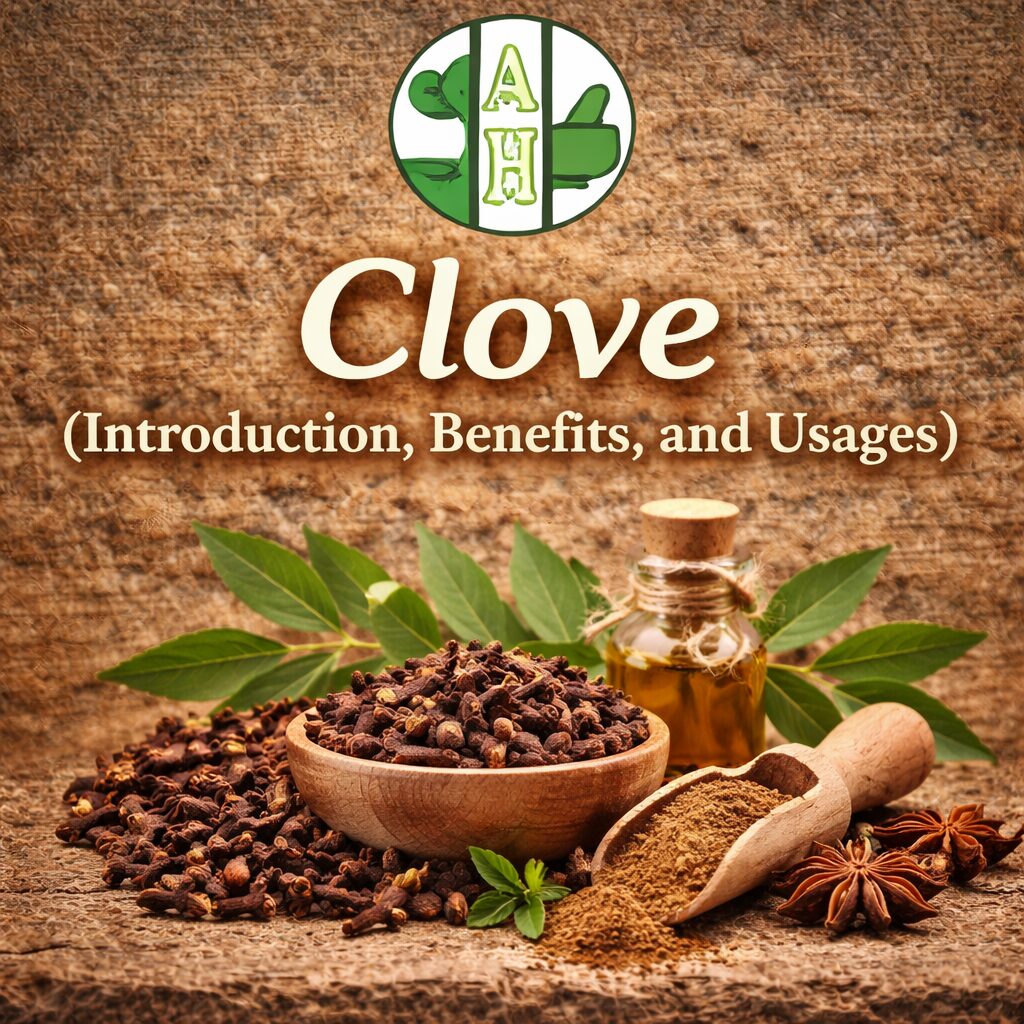
Clove (Introduction, Benefits, and Usages)
Clove—just the name alone brings to mind warmth and nostalgia. It’s an ingredient that has been cherished for centuries, not only for its tantalizing aroma but for its remarkable healing properties. From kitchens across the globe to the healing traditions of Ayurveda, clove has held a sacred place in the hearts of those who value the natural world’s gifts. If you’ve ever enjoyed the warmth of a mulled wine or the comforting flavor of a curry, you’ve likely encountered the distinctive taste of clove. But behind this little spice, often just a tiny piece in a grand recipe, is a potent herb that has the power to enhance health in profound ways.
In today’s world, where the fast pace of life often leads to reliance on quick fixes and synthetic solutions, clove serves as a reminder of the wisdom passed down through ancient traditions. Ayurveda, the ancient system of medicine that seeks to restore harmony between the mind, body, and spirit, has long recognized clove for its diverse and powerful benefits. It’s time we reconnect with this humble herb and understand the depth of its therapeutic potential. Whether you’re seeking to improve digestion, ease pain, or simply enhance your overall wellness, clove is a natural ally.
What Is Clove?
Clove, scientifically known as Syzygium aromaticum, belongs to the Myrtaceae family. It is an evergreen tree, native to the Maluku Islands in Indonesia, which is often referred to as the Spice Islands. Clove trees thrive in tropical climates, and their flower buds are harvested before they fully bloom, giving them that characteristic shape and aroma. The plant produces small, aromatic flower buds, which, when dried, form the familiar clove that is so widely used today.
In India, clove is known by various names in different languages. In Sanskrit, it is referred to as Lavanga (लवंग), which translates to “clove” in English. In Hindi, it is commonly called Laung (लौंग), and in many other regional languages across India, it is known by similar variations. The word “clove” itself is derived from the Latin word clavus, meaning “nail,” due to the spice’s nail-like shape.
Clove in History and Culture
Clove has a long and fascinating history, with cultural references dating back thousands of years. It was highly prized in ancient civilizations for its aromatic and medicinal properties. In classical Ayurvedic texts like the Charaka Samhita and the Sushruta Samhita, clove is mentioned as a valuable herb used for its ability to stimulate digestion, relieve pain, and support the respiratory system. Ancient Ayurvedic healers recognized the herb’s warming properties, making it a valuable ally in managing conditions that involved coldness, stagnation, or accumulation of toxins (ama).
Historically, clove was considered a symbol of wealth and prestige. It was traded across the ancient world, and its value was so high that it became an essential part of the spice trade, especially between Europe, Africa, and Asia. The spice was so coveted that it even played a role in international diplomacy and exploration. The Dutch, in particular, controlled the clove trade for centuries, cultivating it exclusively on the small island of Ambon in Indonesia, where it grew best.
Ayurvedic Properties
In Ayurveda, clove is revered for its ability to balance the doshas, particularly Vata and Kapha. Clove is considered Ushna (hot) in nature, which means it has a heating quality that can stimulate and invigorate the body. It has a sharp, pungent Rasa (taste), which adds to its stimulating effects on the digestive system. The herb is classified as Laghu (light) and Ruksha (dry) in Guna (qualities), making it an ideal remedy for conditions involving excess moisture or heaviness, such as indigestion or respiratory issues.
Clove’s Virya (potency) is hot, and its Vipaka (post-digestive effect) is pungent, which makes it a powerful herb for removing blockages and enhancing circulation. Ayurvedic practitioners commonly use clove to dispel Ama (toxins) and improve digestion, breathing, and circulation, particularly when there is an accumulation of excess Kapha or Vata in the body.
In terms of key Ayurvedic karma (actions), clove is considered Dipana (appetizer), Pachana (digestive), Vata-Kapha shamana (pacifier of Vata and Kapha), and Shulahara (pain-relieving). These qualities make clove indispensable in many Ayurvedic formulations, where it works harmoniously to restore balance to the body and mind.
Active Compounds and Modern Research
Clove owes much of its therapeutic potency to its rich profile of bioactive compounds, the most prominent of which is eugenol. Eugenol is a potent antioxidant and anti-inflammatory agent that has been shown to have analgesic, antimicrobial, and antifungal properties. It also possesses significant antioxidant activity, helping to protect cells from oxidative damage.
Modern research has validated many of the traditional uses of clove. Studies have shown that eugenol in clove can effectively alleviate pain, improve oral health, and even support liver function. The presence of beta-caryophyllene and eugenyl acetate further enhances the herb’s ability to combat inflammation and support overall immune health.
Benefits of Clove
1. Enhances Digestion and Relieves Gas
Clove has long been used in Ayurveda to enhance digestion. Its pungent nature stimulates the production of digestive enzymes and bile, promoting better breakdown of food and absorption of nutrients. If you experience indigestion or bloating, clove may be just the solution. The herb helps to alleviate gas and bloating by reducing the formation of excess air in the stomach and intestines. By balancing Vata dosha, it aids in restoring proper digestion and improving overall gut health.
2. Natural Pain Reliever
Clove has potent analgesic properties, largely due to eugenol. This compound has been studied for its ability to block pain pathways and reduce inflammation. Clove is commonly used to relieve toothaches, sore gums, and headaches. For centuries, Ayurvedic practitioners have recommended clove oil as a natural remedy for dental pain. It can also be used topically in a diluted form to reduce muscle and joint pain.
3. Boosts Immunity and Fights Infections
The antimicrobial properties of clove make it a powerful tool in fighting infections. It has been shown to combat bacteria, fungi, and viruses. Whether you are battling a cold, sore throat, or skin infection, clove can help support the body’s natural defense mechanisms. Regular consumption of clove can boost the immune system and help to prevent the onset of illnesses, making it a valuable ally during the cold and flu season.
4. Supports Respiratory Health
Clove is a natural expectorant, making it beneficial for respiratory health. It can help clear congestion in the lungs, relieve coughing, and promote easy breathing. Its ability to open airways and reduce mucus buildup is why it’s often used in Ayurvedic formulations for treating colds, coughs, and bronchitis. The warming nature of clove helps to stimulate circulation, improving oxygen flow to the lungs and enhancing overall respiratory function.
5. Improves Oral Health
Clove is a well-known remedy in Ayurvedic oral care. It can be used to relieve toothaches, fight bad breath, and promote healthy gums. Clove oil, when applied to the gums, has antimicrobial properties that help fight plaque buildup and gingivitis. It is also beneficial for preventing cavities, as its antibacterial properties combat the bacteria that cause tooth decay. Using clove-infused mouthwash or chewing a few cloves can provide fresh breath and improve overall oral hygiene.
6. Supports Liver Health
The liver plays a critical role in detoxification, and clove has been traditionally used to support liver function. The antioxidant properties of eugenol help to neutralize free radicals and protect liver cells from damage. Studies have shown that clove extract may help reduce the effects of oxidative stress and improve liver function, making it a valuable herb for detoxifying the body.
7. Promotes Skin Health
Clove’s antimicrobial properties are beneficial for the skin as well. It is used in Ayurvedic formulations to treat acne, skin infections, and inflammation. Clove oil can be applied topically to reduce the appearance of blemishes and promote clear, glowing skin. Its antifungal properties also make it useful in treating conditions like athlete’s foot and ringworm.
Classical Ayurvedic Formulations
In Ayurveda, clove is often included in formulations designed to improve digestion and treat various imbalances. A common preparation is Lavangadi Churna (clove powder), which is used to stimulate appetite, improve digestion, and treat nausea and vomiting. Another classical formulation is Triphala Churna, where clove is used alongside other herbs like amla, bibhitaki, and haritaki to promote digestive health and detoxification.
How to Use Clove
There are several ways to incorporate clove into your wellness routine:
- Clove Churna (Powder): Take 1/4 to 1/2 teaspoon of clove powder with warm water or honey. This can help stimulate digestion and relieve gas.
- Clove Oil: A few drops of clove oil can be applied topically for pain relief, especially for toothaches, sore gums, and muscle aches.
- Clove Tea: Steep 1-2 cloves in hot water for 5–10 minutes to make a soothing tea. This can help with digestive issues and respiratory problems.
- Clove Paste: For external use, crush cloves and mix with a bit of coconut oil to create a paste. Apply it to affected areas for pain relief or skin ailments.
Dosage and Safety
Clove should be used in moderation. The standard dosage for clove powder is about 1/4 to 1/2 teaspoon, 1-2 times a day. Clove oil should be used with caution, as it is potent and can cause irritation if used undiluted. Pregnant women, children, and individuals with sensitive skin should consult an Ayurvedic practitioner before using clove regularly.
Always consult a qualified Ayurvedic practitioner before beginning regular use.
Shop Section
If you are looking to bring the healing power of clove into your daily wellness routine, Ayurvedaholic is your trusted destination for authentic Ayurvedic products from India’s most reputable brands including Patanjali, Dabur, Baidyanath, and Kottakkal.
Closing Paragraph
Clove is more than just a spice—it is a timeless gift from nature that continues to offer its healing powers to those who seek balance and wellness. Whether you are using it to soothe a sore throat, promote digestive health, or simply embrace its warmth, clove is a reminder of the profound connection we share with the natural world. Integrating this powerful herb into your daily routine brings a sense of harmony and well-being, nurturing both body and spirit.
References
- Charaka Samhita, Sutra Sthana, Chapter 26
- Bhavaprakasha Nighantu, Haritakyadi Varga
- Syzygium aromaticum (Clove) — Wikipedia — View on Wikipedia
- Bhaishajya Ratnavali, Volume 2, Vatavyadhi Chikitsa — View on Internet Archive
- Cortés-Rojas DF et al. — “Clove (Syzygium aromaticum): a precious spice.” Asian Pac J Trop Biomed, 2014 — View on PubMed
Disclaimer
The information in this article is for educational purposes only and does not constitute medical advice, diagnosis, or treatment. Always consult a qualified Ayurvedic practitioner or healthcare professional before using any herb or formulation, especially if you are pregnant, breastfeeding, or on medication. Individual results may vary. Ayurvedaholic does not claim to diagnose, treat, cure, or prevent any disease.


Add comment