
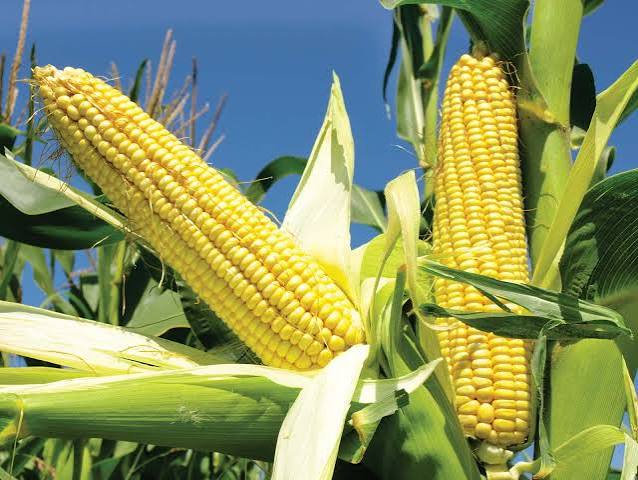
Corn (Introduction, Benefits, and Usages)
Corn benefits are more nuanced than most people appreciate — this staple grain is simultaneously one of the world’s most important food crops and a source of specific medicinal compounds in its silk, husk, and whole-grain form. While refined corn products (corn syrup, cornflour) have legitimate nutritional concerns, whole corn and corn silk have documented therapeutic applications for urinary health, antioxidant protection, and digestive support that deserve recognition as medicinal properties. See Wikipedia: Maize. For related grain-based medicinal foods, explore Barley.
What Is Corn? A Complete Introduction
Origin and History of Corn
Corn (maize, Zea mays) was domesticated from teosinte grass in southern Mexico around 9,000 years ago — one of humanity’s most significant agricultural achievements. The indigenous peoples of the Americas developed hundreds of corn varieties and built civilisations around it as their primary caloric staple. Spanish colonisers brought corn to Europe and Asia in the 16th century, and it rapidly spread globally to become the world’s third-most cultivated crop. Traditional Mesoamerican food processing included nixtamalisation — soaking corn in alkaline lime water — which releases niacin and significantly improves the nutritional profile. Communities that adopted corn without nixtamalisation developed pellagra (niacin deficiency) — demonstrating that traditional food knowledge often encoded nutritional wisdom.
Key Compounds and Nutritional Profile
Whole corn provides complex carbohydrates, fibre (3g per cup), B vitamins (particularly thiamine, niacin, folate), phosphorus, magnesium, and antioxidants. Yellow corn contains lutein and zeaxanthin — the primary carotenoids that accumulate in the retina and protect against age-related macular degeneration and cataracts. Corn silk (the threads inside the husk) contains flavonoids (maysin, luteolin), allantoin, stigmasterol, and polyphenols with documented diuretic, anti-inflammatory, and blood sugar-modulating properties. Corn silk’s medicinal applications are well-established in traditional medicine systems across the Americas, Asia, and Europe independently.
Top Health Benefits of Corn
Corn Benefits for Immunity and Overall Health
Lutein and zeaxanthin from yellow corn have the most specific and well-documented health application — eye protection. Research shows these carotenoids accumulate in the macular region of the retina, filtering harmful blue light and reducing oxidative damage to photoreceptors. Population studies confirm significantly lower rates of age-related macular degeneration (AMD) and cataracts in people with high lutein and zeaxanthin intake. Corn silk’s diuretic properties are well-researched — multiple animal and preliminary human studies confirm significant increase in urine output, supporting the traditional use of corn silk tea for urinary tract infections, kidney stones, and fluid retention.
Corn for Skin, Hair, and Beauty
The antioxidant carotenoids and vitamin C in corn protect skin from oxidative damage. Corn starch has been used in traditional and modern skincare as a soothing, anti-inflammatory powder for skin irritation, rashes, and as a natural dry shampoo. Corn oil contains significant amounts of linoleic acid — the essential fatty acid that supports skin barrier function and is particularly important for acne-prone skin where linoleic acid deficiency is commonly observed.
Medicinal Properties of Corn
How Corn Works as a Natural Remedy
Corn silk’s diuretic mechanism involves increasing glomerular filtration rate and reducing tubular reabsorption of water — effectively making the kidneys produce more urine without the electrolyte loss associated with pharmaceutical diuretics. The flavonoid maysin has documented antibacterial activity against E. coli and other uropathogens, providing a plausible mechanism for the traditional use of corn silk in urinary tract infections. The anti-inflammatory stigmasterol in corn silk reduces urothelial inflammation that causes burning during urination. See Wikipedia: Corn silk.
Corn in Ayurveda and Traditional Medicine
Corn isn’t a classical Ayurvedic crop — it was introduced to India post-15th century. In contemporary Ayurvedic practice, corn (Makkai/Bhutta) is classified as slightly heating, sweet, and Vata-Pitta balancing in small amounts, with a tendency to increase Kapha and cause ama (digestive toxins) when eaten in excess or by people with weak digestion. Corn silk (Makkai ke baal) is used in Indian folk medicine for urinary conditions and has been integrated into contemporary Ayurvedic urinary formulas. Traditional Chinese medicine uses corn silk extensively for oedema, urinary tract conditions, and jaundice.
How to Use Corn — Practical Usages
Corn in Food, Tea, and Cooking
Eat whole corn on the cob, popcorn (air-popped, minimally processed), and nixtamalised corn products (corn tortillas made from masa) for maximum nutritional benefit. Corn silk tea: collect fresh corn silk from sweet corn (or use dried corn silk), steep 1–2 tablespoons in boiling water for 10–15 minutes, strain and drink 2–3 cups daily for urinary support. Fresh corn silk is most potent; dried corn silk from health stores is a convenient alternative. Add a squeeze of lemon for added vitamin C and flavour.
Corn as a Supplement or Topical Application
Corn silk is available as dried herb, capsules, and liquid extracts for urinary health support. Lutein and zeaxanthin from corn (and other sources) are available as standardised supplements specifically for eye health — the typical research dose is 10 mg lutein and 2 mg zeaxanthin daily. Corn starch can be applied topically as a soothing powder for skin irritation, intertrigo (skin fold rash), and as a natural moisture absorber. Corn oil applied to hair provides linoleic acid for barrier repair of damaged hair cuticles.
Side Effects and Precautions of Corn
- Blood sugar: refined corn products (high-fructose corn syrup, cornflour, corn chips) spike blood sugar rapidly — problematic for diabetics and metabolic syndrome. Whole corn has a moderate GI and is far less problematic
- GMO considerations: most commercially grown corn is genetically modified — choose organic if this is a concern
- Corn allergy: relatively uncommon but can be severe — corn derivatives are in many processed foods
- Corn silk during pregnancy: avoid high doses of corn silk tea during pregnancy due to its stimulant effect on the uterus
Frequently Asked Questions About Corn
What are the main corn benefits for health?
The most evidence-supported corn benefits are: lutein and zeaxanthin from yellow corn protecting against macular degeneration and cataracts, corn silk’s diuretic and antibacterial action for urinary tract health, fibre from whole corn supporting gut health and blood sugar stability, antioxidant carotenoids protecting against oxidative cell damage, and B vitamins supporting energy metabolism.
How to use corn silk for urinary health?
Make corn silk tea from fresh silk collected when shucking sweet corn — don’t discard it. Steep 2 tablespoons fresh (or 1 tablespoon dried) in hot water for 15 minutes, strain, drink 2–3 cups daily during urinary tract infections or when managing kidney stone risk. Combine with Gokshura for enhanced Ayurvedic urinary support.
Is corn good for diabetics?
Whole corn (on the cob, popcorn) in moderate portions is manageable for most diabetics due to its fibre content moderating the glycaemic response. Refined corn products (corn syrup, cornflour, commercial corn cereals) are high-glycaemic and problematic for blood sugar management. The distinction between whole corn and refined corn products is critical for diabetic dietary planning.
Corn benefits are most accessible through the often-discarded corn silk — one of traditional medicine’s best-kept secrets for urinary health, right there in the supermarket produce aisle. Save the silk next time you buy fresh corn, make tea from it, and experience why this simple plant fibre has been used across cultures on four continents for urinary tract support. Add yellow corn regularly for its lutein and zeaxanthin, and stick to whole-grain forms for actual nutritional benefit.

Add comment