
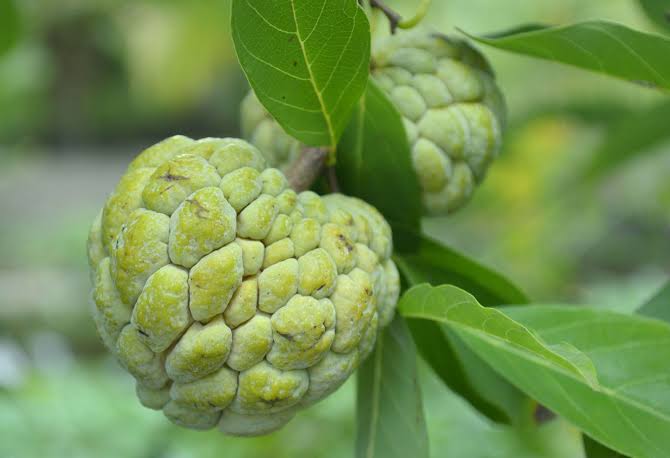
Custard Apple (Introduction, Benefits, and Usages)
Custard apple benefits are underappreciated outside of tropical regions, where this creamy-fleshed fruit (Annona squamosa) has been used in traditional medicine for centuries to address digestive disorders, skin conditions, and neurological health. What makes custard apple medicinally interesting is its unique alkaloid content — annonacin, squamocin, and acetogenins — along with impressive quantities of vitamin C, B vitamins, iron, and magnesium. Modern research has identified both remarkable therapeutic potential (anti-tumour, anti-parasitic) and important safety considerations that make understanding this fruit’s full profile essential. See Wikipedia: Annona squamosa. For related tropical fruits used medicinally, explore Papaya.
What Is Custard Apple? A Complete Introduction
Origin and History of Custard Apple
Custard apple (Annona squamosa, called Sharifa in Hindi and Sitaphal in Sanskrit) is native to tropical America and was introduced to India, Southeast Asia, and Africa by Portuguese traders in the 16th and 17th centuries. It rapidly became integrated into local traditional medicine systems wherever it naturalised. In Ayurveda, Sitaphal (literally “cool fruit”) is described as Guru (heavy), sweet, cooling, and significantly nourishing (Brinhana) — particularly beneficial for people who are underweight, weak, or recovering from illness. The leaves, bark, and seeds have separate medicinal applications in folk medicine across India, Africa, and Central America.
Key Compounds and Nutritional Profile
Custard apple flesh is nutritionally impressive: rich in vitamin C (37 mg per 100g), B vitamins (B1, B2, B6), potassium, magnesium, and iron. The fibre content (2.4g per 100g) and moderate glycaemic index make it a reasonably balanced fruit despite its sweetness. The seeds contain Annonaceae acetogenins — a class of compounds with potent cytotoxic (anti-tumour) activity that is among the most studied in natural anti-cancer compound research. The leaves contain alkaloids including anonaine and liriodenine with antibacterial and anti-parasitic properties. The bark contains tannins with anti-inflammatory and antidiarrhoeal activity. See Wikipedia: Annonaceous acetogenins.
Top Health Benefits of Custard Apple
Custard Apple Benefits for Immunity and Overall Health
The flesh of custard apple provides the safest and most nutritionally beneficial aspects of the plant. Vitamin C content (comparable to citrus fruits) supports immune function, collagen synthesis, and iron absorption from the same meal. The significant potassium content (382 mg per 100g) supports blood pressure regulation. The magnesium content (21 mg per 100g) is relevant for muscle function, sleep quality, and nervous system health. For people who are underweight, recovering from illness, or nutritionally depleted, the combination of calories, B vitamins, iron, and digestible carbohydrates makes custard apple one of Ayurveda’s most effective Brinhana (weight-gaining and nourishing) fruits.
Custard Apple for Skin, Hair, and Beauty
The vitamin C and antioxidant compounds in custard apple flesh support collagen synthesis and protect skin from oxidative damage. Vitamin C is the rate-limiting factor in hydroxylation reactions that cross-link collagen fibres — a critical step for skin firmness, wound healing, and barrier integrity. Custard apple leaf paste is used in traditional Indian folk medicine as a topical treatment for boils, abscesses, and skin ulcers — the alkaloids and tannins have antimicrobial and astringent properties relevant to these applications. The iron content, combined with vitamin C (which doubles iron absorption), directly supports the haemoglobin levels that determine skin colour, vitality, and recovery from anaemia-related pallor.
Medicinal Properties of Custard Apple
How Custard Apple Works as a Natural Remedy
Custard apple bark tea is used traditionally for diarrhoea and dysentery — the tannins create an astringent effect on the gut lining, reducing secretion and providing antimicrobial action against enteric pathogens. The unripe custard apple flesh has higher tannin content and stronger astringent effect — traditionally used specifically for digestive complaints. The leaves applied as a wound poultice (folk practice across India and Africa) deliver alkaloids and tannins that have documented antibacterial activity against both gram-positive and gram-negative bacteria. The acetogenins in the seeds have demonstrated in-vitro cytotoxicity against cancer cell lines — but the seeds should never be consumed orally due to the neurotoxic potential of concentrated annonacin.
Custard Apple in Ayurveda and Traditional Medicine
In Ayurveda, Sitaphal (custard apple) is specifically classified as a Brinhana (nourishing, weight-promoting) herb — ideal for Vata-type people who are underweight, thin, dry, or debilitated. It reduces Vata and Pitta but increases Kapha due to its heavy, sweet, cooling nature. Ayurvedic indications include Karshya (underweight conditions), weakness, debility, burning sensations, and excess thirst. The seeds and leaves are recognised in Ayurveda as having separate medicinal applications from the fruit. In the Unani system, Sharifa is used for weakness and as a brain tonic, aligning with the B vitamins and magnesium content that support neurological health.
How to Use Custard Apple — Practical Usages
Custard Apple in Food, Tea, and Cooking
Eat ripe custard apple flesh directly — scoop out the creamy flesh, discard the seeds carefully (they’re not for consumption), and eat fresh. Custard apple milkshake or smoothie is one of the most popular preparations — blend the flesh with milk and a small amount of sweetener for a nutritious, nourishing drink particularly good for children, the elderly, and those recovering from illness. Custard apple pulp can be used in ice cream, kheer (rice pudding), and other desserts. For digestive support, the bark of the custard apple tree is decocted (boiled) and strained for traditional antidiarrhoeal tea.
Custard Apple as a Supplement or Topical Application
For topical skin applications, crush fresh custard apple leaves to a paste and apply to boils, skin infections, or wounds — the traditional folk medicine preparation with antimicrobial and astringent properties. Leaf tea: steep 5–6 fresh or dried custard apple leaves in hot water for 10 minutes, strain, and drink for blood sugar support or digestive health — this is the form used in folk medicine for antidiabetic applications. Custard apple supplements are not widely standardised — the fruit is most effectively used in its whole food form.
Side Effects and Precautions of Custard Apple
- Seeds are toxic — never consume: custard apple seeds contain concentrated annonacin, a neurotoxin associated with atypical Parkinson’s disease with prolonged consumption — always discard seeds completely
- Annonacin in fruit pulp: the flesh contains much lower but non-zero levels of annonacin — people with neurological conditions should consume in moderation; pregnant women should avoid regular high consumption
- High sugar content: custard apple is high in natural sugars (25g per 100g) — diabetics should consume in small portions and monitor blood sugar
- Kapha aggravation: the heavy, sweet, cooling nature increases Kapha — limit consumption in colds, congestion, or Kapha-dominant conditions
Frequently Asked Questions About Custard Apple
What are the main custard apple benefits for health?
The key custard apple benefits from the flesh (the safe part) include: vitamin C and B vitamins for immune function and energy metabolism, potassium for blood pressure regulation, magnesium for muscle and nervous system function, iron and vitamin C combination for fighting anaemia, excellent nutritional support for underweight individuals (Ayurvedic Brinhana use), and fibre for digestive health.
Is custard apple good for diabetics?
Custard apple has a moderate glycaemic index (around 54) and significant fibre content that moderates sugar absorption. Research on custard apple leaf extracts shows antidiabetic activity in animal models. However, the fruit flesh is high in natural sugars — diabetics should limit portion size (half a fruit maximum) and monitor blood sugar responses. Leaf preparations (tea, extracts) used medicinally for blood sugar support are separate from the fruit itself.
What is custard apple called in Ayurveda?
Custard apple is called Sitaphal or Sharifa in Hindi, and Krishnabeeja or Gandagatra in some Ayurvedic texts. Sitaphal means “cool fruit” — reflecting its Sheeta (cooling) and heavy nature in Ayurvedic classification. It’s primarily indicated in Ayurveda for Vata conditions, underweight constitution, weakness, and debility.
Custard apple benefits are real and significant — particularly for nutritional support, immune health, and as a nourishing food for debility and underweight conditions. The key is enjoying the flesh while carefully discarding the seeds every time. With that one precaution consistently observed, this tropical fruit is a nutritional and Ayurvedic gem that deserves far more recognition than it receives outside its traditional growing regions.
Add comment