
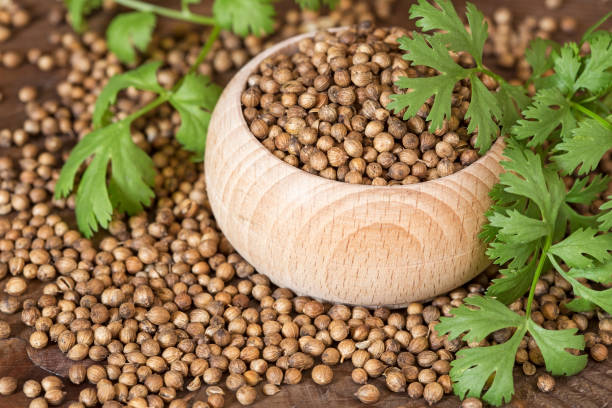
Dhania (Introduction, Benefits, and Usages)
Dhania – Introduction, Benefits, and Usages
Dhania benefits span digestive health, blood sugar management, cholesterol reduction, and antimicrobial protection – making coriander (Coriandrum sativum) one of the most medicinally complete kitchen herbs used across Ayurveda, Unani, and traditional medicine systems worldwide. What’s remarkable about Dhania is that both the seeds (Dhania) and fresh leaves (Cilantro/Kothamalli) are used, but they have distinctly different medicinal profiles despite coming from the same plant. Dhania seeds are warming and digestive; fresh leaves are cooling and detoxifying – a distinction that Ayurvedic practitioners have used clinically for centuries. See Wikipedia: Coriander. For related digestive spices, explore Cumin and Fennel Seeds.
What Is Dhania? A Complete Introduction
Origin and History of Dhania
Coriander (Coriandrum sativum) is one of the world’s oldest spice plants – seeds have been found in Neolithic sites in Europe, and it was cultivated in ancient Egypt (mentioned in the Ebers Papyrus, one of the oldest medical texts, circa 1550 BCE), ancient Greece, Rome, and the Indian subcontinent. Sanskrit texts (Charaka Samhita, Sushruta Samhita) include Dhania (Dhanyaka in Sanskrit) as a standard digestive remedy. It’s now one of the world’s most widely cultivated spices and herbs. The name “coriander” comes from the Greek “koris” (bed bug) – a reference to the plant’s aroma before fully ripening. Dhania (seeds) and Dhaniya patta or Kothamalli (fresh leaves/cilantro) are used differently in Ayurvedic medicine.
Key Compounds and Nutritional Profile
Coriander seeds’ essential oil is dominated by linalool (60-80%) – a monoterpene alcohol with documented sedative, anxiolytic, antimicrobial, and anti-inflammatory properties. Alpha-pinene and gamma-terpinene contribute additional antimicrobial activity. The seeds contain significant manganese, iron, magnesium, and dietary fibre. Flavonoids include quercetin, kaempferol, and apigenin with potent antioxidant and anti-inflammatory activity. Fresh coriander leaves have a completely different essential oil profile dominated by 2-decenal and other aldehydes (the compounds responsible for cilantro’s distinctive “soapy” aroma to some people – the result of a specific aldehyde receptor gene variant). See Wikipedia: Linalool.
Top Health Benefits of Dhania
Dhania Benefits for Immunity and Overall Health
Multiple clinical studies confirm coriander seed extract’s cholesterol-reducing effects – significantly reducing total cholesterol, LDL, and triglycerides while increasing HDL. The mechanism involves inhibiting cholesterol synthesis enzymes and increasing bile acid excretion. Blood sugar management is another well-evidenced benefit – coriander seeds increase insulin secretion from pancreatic beta cells and enhance glucose uptake in cells through mechanisms similar to some anti-diabetic drugs, confirmed in animal and preliminary human studies. The linalool-dominant essential oil provides documented antibacterial activity against food-borne pathogens (Salmonella, E. coli, Listeria) – explaining its traditional use as a food preservative and its antimicrobial digestive properties.
Dhania for Skin, Hair, and Beauty
Fresh coriander leaf juice and paste are widely used in traditional Indian skin care for their cooling, anti-inflammatory, and antimicrobial properties. Applied topically, coriander leaf juice soothes sunburn, rashes, pimples, and skin inflammation – the aldehydes have mild astringent and antimicrobial activity. Coriander seed oil (carrier oil, not essential oil) applied to hair has conditioning and antimicrobial properties supporting scalp health. The anti-inflammatory quercetin and kaempferol in coriander protect skin from UV-induced oxidative damage. For acne, coriander leaf juice applied overnight is a traditional Indian folk remedy with some antimicrobial rationale behind it.
Medicinal Properties of Dhania
How Dhania Works as a Natural Remedy
Linalool, the dominant compound in coriander seed essential oil, acts on multiple systems: GABA-A receptors for sedative and anxiolytic effects (explaining traditional use for anxiety and insomnia), voltage-gated sodium channels for analgesic effects, and multiple inflammatory pathways for anti-inflammatory action. The cholesterol-reducing effect works through LDL receptor upregulation and HMG-CoA reductase inhibition (the same enzyme targeted by statin drugs). For digestive health, coriander seed essential oil reduces intestinal spasm, stimulates digestive enzyme secretion, and reduces gas – the classic carminative mechanism. Heavy metal detoxification by fresh cilantro/coriander leaves is a popular claim – preliminary research suggests cilantro may chelate some heavy metals, though human clinical evidence remains limited.
Dhania in Ayurveda and Traditional Medicine
In Ayurveda, coriander seeds (Dhanyaka) are classified as slightly sweet and pungent, mildly heating, and Tridosha-balancing – one of the few spices considered appropriate for all three Doshas. Fresh leaves are cooling and specifically Pitta-reducing. Ayurvedic indications for Dhania include Agnimandya (low digestive fire), Aruchi (loss of appetite), Trishna (excessive thirst – specifically the fresh juice for this), Jwara (fever – fresh juice for cooling), and as a common digestive remedy after meals. Dhania-Jal (coriander seed water) – soaking seeds overnight and drinking the water – is a traditional Ayurvedic preparation for digestive health and summer cooling. Pairs with Cumin and Fennel in classical digestive formulations (the CCF tea combination).
How to Use Dhania – Practical Usages
Dhania in Food, Tea, and Cooking
CCF Tea (Cumin-Coriander-Fennel): equal parts of each seed boiled in water for 10 minutes, strained and drunk – the most popular Ayurvedic digestive tea, excellent after meals or for digestive complaints. Dhania water: soak 1 teaspoon of whole coriander seeds overnight in a glass of water; drink in the morning on an empty stomach for cholesterol, blood sugar, and digestive support. Use coriander seeds liberally in cooking – the linalool essential oil releases on gentle heating. Fresh coriander (cilantro) added at the end of cooking or as a garnish preserves its volatile aldehydes for maximum cooling and antimicrobial benefit.
Dhania as a Supplement or Topical Application
Coriander seed extract capsules (standardised to linalool or total volatile oil content) are used for cholesterol and blood sugar management at doses of 500-1000 mg daily. For topical skin care: blend fresh coriander leaves to a smooth paste, apply to acne-prone areas or inflamed skin for 15-20 minutes, then rinse – a traditional Indian folk remedy for skin inflammation and pimples. Fresh coriander juice (juiced leaves) is applied to the scalp for dandruff and scalp health in traditional practice. Coriander essential oil (2-3% in carrier oil) can be applied topically for muscle pain or as an antimicrobial preparation.
Side Effects and Precautions of Dhania
- Blood sugar medication: coriander’s blood sugar-lowering effect can potentiate antidiabetic drugs – monitor blood sugar if using therapeutically alongside medication
- Allergy: coriander belongs to the Apiaceae family – people allergic to celery, carrot, or anise may have cross-reactive sensitivity
- Photosensitivity: the essential oil can cause phototoxic skin reactions if applied topically before sun exposure – avoid sun exposure after topical essential oil application
- Liver disease: high doses should be used cautiously in severe liver disease; therapeutic doses of coriander have demonstrated liver-protective effects in research
Frequently Asked Questions About Dhania
What are the main Dhania benefits for health?
The most evidence-supported Dhania benefits are: cholesterol and triglyceride reduction through LDL receptor upregulation, blood sugar management through enhanced insulin secretion and glucose uptake, digestive carminative action reducing bloating and gas, antibacterial activity against food-borne pathogens, anxiolytic and mild sedative effects from linalool, skin anti-inflammatory benefits from topical fresh leaves, and antioxidant protection from quercetin and kaempferol flavonoids.
What is the difference between Dhania seeds and fresh leaves?
Dhania seeds are warming, carminative, and primarily digestive and metabolic in their applications (cholesterol, blood sugar, digestive enzyme stimulation). Fresh coriander/cilantro leaves are cooling, specifically Pitta-reducing, and used for skin inflammation, fever reduction, excessive thirst, and the traditional heavy metal detoxification claim. The essential oil composition is completely different – seeds are linalool-dominated; leaves are aldehyde-dominated – giving each a distinct therapeutic character in Ayurvedic medicine.
How to make coriander tea for digestive health?
The classic preparation is CCF Tea: add 1/4 teaspoon each of cumin seeds, coriander seeds, and fennel seeds to 2 cups of water. Bring to a boil, simmer for 10 minutes, strain, and drink warm after meals. This traditional Ayurvedic digestive tea reduces bloating, improves enzyme secretion, and soothes digestive discomfort – one of the simplest and most effective digestive remedies in the entire Ayurvedic toolkit.
Dhania benefits make coriander one of the most complete kitchen medicines available – seeds for cholesterol and blood sugar alongside daily digestive support, fresh leaves for cooling skin care and Pitta management. The CCF tea (coriander with cumin and fennel) is arguably the most practical and evidence-supported herbal digestive preparation you can make from pantry ingredients – start there and add other applications as your needs require.
Add comment