
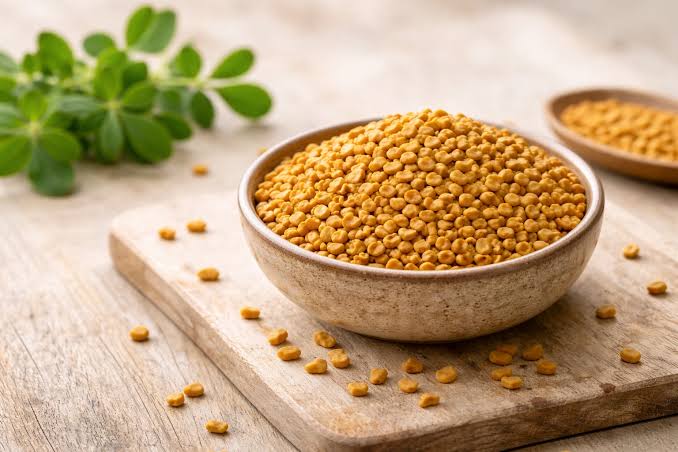
Fenugreek Seeds (Introduction, Benefits, and Usages)
Fenugreek seeds benefits span blood sugar management, testosterone and hormonal support, lactation promotion, and cholesterol reduction – making Trigonella foenum-graecum (Methi in Hindi, Medhika in Sanskrit) one of Ayurveda’s most comprehensively researched and evidence-supported spice-medicines. The seeds’ bitter, slightly pungent taste and distinctive maple syrup-like aroma come from a unique set of compounds – particularly 4-hydroxyisoleucine, a non-proteinogenic amino acid found almost exclusively in fenugreek, with remarkable insulin-sensitising properties confirmed in both animal and human clinical research. See Wikipedia: Fenugreek. For related metabolic herbs, explore Cumin and Dhania.
What Is Fenugreek Seeds? A Complete Introduction
Origin and History of Fenugreek Seeds
Fenugreek (Trigonella foenum-graecum) originated in the Near East and Indian subcontinent, with archaeological evidence of cultivation dating back to at least 4000 BCE. It was used in ancient Egypt (found in Tutankhamun’s tomb), ancient Greece (the name means “Greek hay”), and has continuous documented use in Ayurveda for over 3,000 years. It’s mentioned extensively in the Charaka Samhita and Ashtanga Hridayam for diabetes management, galactagogue properties, and digestive support. Today, India produces about 80% of the world’s fenugreek supply – it’s used in virtually every regional Indian cuisine and is a cornerstone of Ayurvedic metabolic medicine.
Key Compounds and Nutritional Profile
Fenugreek’s most distinctive bioactive compound is 4-hydroxyisoleucine – a non-standard amino acid that stimulates insulin secretion from pancreatic beta cells and improves peripheral insulin sensitivity, found in almost no other plant. Trigonelline (also found in coffee) is a pyridine alkaloid that reduces blood glucose and provides neuroprotective effects. Soluble fibre (galactomannan) slows carbohydrate absorption, reducing postprandial glucose spikes. Diosgenin is a steroidal saponin providing the hormonal/galactagogue and anti-inflammatory effects. Nutritionally, fenugreek seeds are rich in protein (23g per 100g), iron, magnesium, manganese, and B vitamins. See Wikipedia: 4-Hydroxyisoleucine.
Top Health Benefits of Fenugreek Seeds
Fenugreek Seeds Benefits for Blood Sugar and Metabolism
Fenugreek’s blood sugar benefits are among the most thoroughly studied in herbal medicine. A meta-analysis of 10 randomised controlled trials found fenugreek supplementation significantly reduced fasting blood glucose and HbA1c in people with type 2 diabetes and prediabetes. The triple mechanism (4-hydroxyisoleucine stimulating insulin secretion, galactomannan fibre slowing glucose absorption, and trigonelline improving insulin sensitivity) makes fenugreek uniquely effective for comprehensive blood sugar management. For cholesterol, multiple clinical trials confirm significant reduction in total cholesterol, LDL, and triglycerides – through the fibre’s cholesterol-binding action and saponin interference with bile acid reabsorption.
Fenugreek Seeds for Hormonal Health and Lactation
Fenugreek’s galactagogue (lactation-promoting) properties are well-documented – diosgenin has structural similarity to precursors of oestrogens that stimulate milk production. Multiple studies and systematic reviews confirm fenugreek significantly increases milk volume in nursing mothers. For testosterone in men, randomised trials have found fenugreek extract (standardised to saponins) significantly increases free testosterone levels in healthy men, improving libido, strength, and body composition – the steroidal saponins inhibit testosterone-to-DHT conversion and may have other androgen-enhancing effects. This makes fenugreek unusual – one of the few herbs with clinical evidence for both female hormonal (lactation) and male hormonal (testosterone) support.
Medicinal Properties of Fenugreek Seeds
How Fenugreek Seeds Work as a Natural Remedy
4-Hydroxyisoleucine’s mechanism for blood sugar control is direct and well-characterised: it stimulates glucose-dependent insulin secretion from pancreatic beta cells (meaning it only stimulates insulin release when glucose is actually present, reducing hypoglycaemia risk). It also improves insulin sensitivity in peripheral tissues. The galactomannan fibre forms a viscous gel in the gut, physically slowing glucose absorption and reducing the glycaemic index of the entire meal. For anti-inflammatory effects, the furostanol saponins reduce COX-2 and TNF-alpha – relevant for arthritis, inflammatory bowel conditions, and metabolic inflammation.
Fenugreek Seeds in Ayurveda and Traditional Medicine
In Ayurveda, fenugreek (Medhika/Methi) is classified as bitter, pungent, heating, and Vata-Kapha reducing with significant Pitta-pacifying properties at culinary doses. Specific Ayurvedic indications include Prameha (diabetes and urinary disorders), Stanya (lactation support), Agnimandya (low digestive fire), Arsha (haemorrhoids), and Vatarakta (gout). Classical Ayurvedic postpartum nutrition includes Methi ladoo (fenugreek seed balls made with jaggery, ghee, and gum resin) – combining multiple lactation-promoting, iron-rich, strength-giving ingredients into a traditional new mother’s sweet. It pairs with Ghee and jaggery in traditional preparations.
How to Use Fenugreek Seeds – Practical Usages
Fenugreek Seeds in Food, Tea, and Cooking
Soaked fenugreek seeds: soak 1 teaspoon of fenugreek seeds overnight in water; eat the soaked seeds and drink the water first thing in the morning for blood sugar and digestive benefits. Soaking reduces bitterness. Fenugreek tea: boil 1 teaspoon of whole seeds in 2 cups of water for 10 minutes, strain and drink. Use fenugreek leaves (Methi) in cooking – the leaves are milder than seeds and equally beneficial. Methi ladoo (fenugreek seed balls with jaggery and ghee) for postpartum mothers is the traditional North Indian lactation preparation.
Fenugreek Seeds as a Supplement or Topical Application
Standardised fenugreek extract (500-1000 mg daily, standardised to furostanol saponins or 4-hydroxyisoleucine) is the form used in testosterone and blood sugar clinical trials. For lactation, 580 mg capsules three times daily are the most commonly studied dose. Topically, fenugreek seed paste (ground seeds with water) applied to scalp promotes hair growth – the saponins and proteins condition hair follicles and the anti-inflammatory compounds reduce scalp inflammation. Fenugreek paste also soothes skin inflammation, boils, and wounds in traditional Indian folk medicine.
Side Effects and Precautions of Fenugreek Seeds
- Maple syrup odour: fenugreek causes a distinctive maple-syrup smell in sweat and urine (from sotolone) – harmless but noticeable; important to know so it isn’t mistaken for Maple Syrup Urine Disease in infants whose mothers take fenugreek
- Blood sugar medication: fenugreek’s significant hypoglycaemic effect can potentiate antidiabetics – monitor blood sugar carefully
- Pregnancy: fenugreek can stimulate uterine contractions – avoid high supplemental doses during pregnancy; culinary amounts in food are generally safe
- Allergy: fenugreek is related to chickpea and peanut (all legumes) – cross-reactive allergy is possible in people with legume allergies
Frequently Asked Questions About Fenugreek Seeds
What are the main fenugreek seeds benefits?
Key fenugreek seeds benefits: blood sugar reduction through triple mechanism (4-hydroxyisoleucine, galactomannan fibre, trigonelline); cholesterol and triglyceride reduction; lactation promotion in nursing mothers (well-documented); testosterone increase in men through steroidal saponin mechanisms; anti-inflammatory benefits for arthritis and metabolic inflammation; hair growth promotion topically; and postpartum strength and recovery support through traditional Methi preparations.
Can fenugreek increase testosterone?
Yes – randomised controlled trials with standardised fenugreek extract have demonstrated significant increases in total and free testosterone in healthy men. A 2011 International Journal of Sport Nutrition and Exercise Metabolism trial found 500 mg of fenugreek extract daily significantly increased free testosterone while reducing body fat compared to placebo over 8 weeks. The steroidal saponins appear to inhibit the enzymes converting testosterone to DHT and oestrogen, preserving more free testosterone. This makes fenugreek one of the most evidence-supported natural testosterone-supporting supplements.
How to use fenugreek for diabetes?
Soak 2 teaspoons of whole fenugreek seeds overnight in water; eat the seeds and drink the water first thing every morning before breakfast. This is the traditional Ayurvedic preparation for blood sugar management, and the clinical research validates it: the 4-hydroxyisoleucine and galactomannan fibre both work optimally when the seeds are consumed before meals. Standardised fenugreek capsules (500-1000 mg with meals) provide more consistent dosing for clinical blood sugar management – discuss with your physician if taking antidiabetic medications simultaneously.
Fenugreek seeds benefits are earned through one of the most impressive evidence profiles of any single kitchen spice – clinical trial validation for blood sugar management, cholesterol reduction, testosterone support, and lactation promotion from a single plant. Soak them overnight, eat them morning, cook with them liberally, and explore Methi ladoo if you’re a new mother or supporting one. One of Ayurveda’s most ancient diabetes remedies (Prameha herbs) turns out to have some of the best modern research evidence confirming exactly what the classical physicians observed 3,000 years ago.
Add comment