
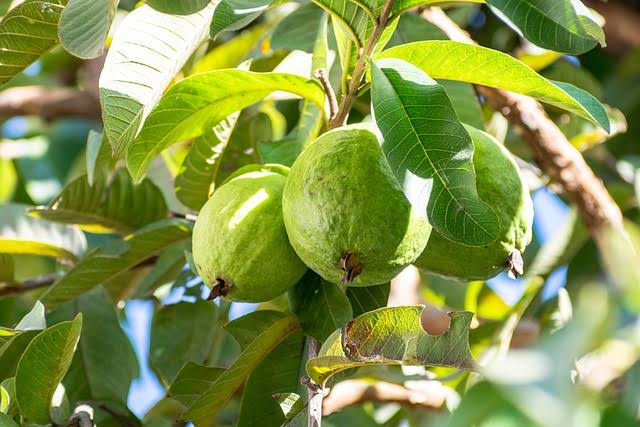
Guava (Introduction, Benefits, and Usages)
Guava benefits make Psidium guajava one of the most nutritionally remarkable tropical fruits available — a single guava provides more vitamin C than an orange, significant vitamin A, folate, potassium, and dietary fibre, alongside documented anti-diabetic, anti-diarrhoeal, antioxidant, and antimicrobial properties. The leaves are equally medicinal — guava leaf tea is a traditional remedy for diarrhoea, blood sugar management, and skin conditions across Asia, the Americas, and Africa. See Wikipedia: Psidium guajava. For related tropical medicinal fruits, explore Papaya and Jamun.
What Is Guava? A Complete Introduction
Origin and History of Guava
Guava (Psidium guajava) is native to tropical America — from Mexico and Central America through much of South America. It was one of the first American plants documented by Spanish and Portuguese explorers in the 16th century, who subsequently spread it across Africa and Asia. In India, guava arrived in the 17th century and rapidly became integrated into both cuisine and traditional medicine. Today India is one of the world’s largest guava producers, and the fruit is deeply embedded in Ayurvedic nutritional medicine and folk healing traditions across the tropics. The leaves particularly are used medicinally across Africa, Southeast Asia, and South America for similar conditions — diarrhoea, diabetes, and wound healing — reflecting a convergent traditional wisdom confirmed by modern research.
Key Compounds and Nutritional Profile
Guava is exceptional for vitamin C — 228 mg per 100g in common guava varieties (2.5x more than oranges), making it one of the richest food sources available. Pink-fleshed varieties additionally provide lycopene — the same antioxidant carotenoid as tomatoes, documented for prostate cancer protection. Guava leaves are rich in quercetin, kaempferol, and gallic acid with anti-diabetic, anti-inflammatory, and antimicrobial activity. The fruit provides dietary fibre (5.4g/100g), folate, potassium, and vitamins A and B complex. Guaijaverin — a glycoside found in the leaves — has particularly strong anti-Streptococcal activity relevant for dental plaque and gum disease prevention. See Wikipedia: Quercetin.
Top Health Benefits of Guava
Guava Benefits for Immunity and Overall Health
Guava’s vitamin C content is its most straightforward immune benefit — 228 mg per 100g provides over 250% of the daily requirement in a single fruit. Vitamin C directly supports white blood cell production and function, collagen synthesis, and acts as a powerful antioxidant in blood plasma. For blood sugar management, guava leaf extract has been tested in multiple clinical trials. A Japanese clinical study found guava leaf tea significantly reduced postprandial blood glucose in type 2 diabetics — the quercetin and gallic acid content inhibits alpha-glucosidase and reduces glucose absorption. The fibre content additionally slows carbohydrate digestion.
For cardiovascular health, guava consumption is associated with reduced blood pressure and improved lipid profiles in clinical studies — fibre reduces LDL cholesterol, and quercetin has vasodilatory and anti-inflammatory cardiovascular effects.
Guava for Skin, Hair, and Beauty
With 228 mg of vitamin C per 100g, guava is one of the most effective dietary sources for collagen synthesis support — vitamin C is the essential cofactor for prolyl hydroxylase and lysyl hydroxylase enzymes that stabilise collagen structure. Eating guava regularly provides the raw material for skin collagen synthesis. The lycopene in pink guava protects skin from UV-induced oxidative damage. Guava leaf extract applied topically has documented antimicrobial activity against acne-causing bacteria and anti-inflammatory effects that reduce skin redness and irritation. In folk medicine across the tropics, guava leaf paste is used for wounds, burns, and skin infections — supported by the polyphenol antimicrobial and wound-healing evidence.
Medicinal Properties of Guava
How Guava Works as a Natural Remedy
Guava leaf’s anti-diarrhoeal mechanism involves multiple actions: tannins (ellagitannins) tighten intestinal mucosa and reduce fluid secretion; quercetin inhibits smooth muscle spasm in the gut; and broad-spectrum antimicrobial polyphenols (guaijaverin, gallic acid) reduce the bacterial load causing infectious diarrhoea. The anti-diabetic mechanism of guava leaf involves quercetin and gallic acid inhibiting alpha-glucosidase (slowing carbohydrate breakdown) and reducing intestinal glucose absorption through SGLT1 inhibition. Additionally, guava leaf compounds stimulate insulin secretion from pancreatic beta cells and improve peripheral insulin sensitivity.
Guava in Ayurveda and Traditional Medicine
In Ayurveda, guava (Amrood) is sweet and astringent, cooling, and Pitta and Vata reducing. Classical applications include Atisara (diarrhoea), Pravahika (dysentery), Aruchi (anorexia), and as a Balya (strength-giving) fruit. The leaf’s astringent tannin quality gives it Grahi (drying/astringent) and Stambhaka (constipating) properties — directly relevant to the traditional use for diarrhoea. In Brazilian folk medicine, guava leaf tea is the most widely used domestic treatment for diarrhoea — paralleling Indian and Filipino traditional use exactly. The convergence of traditional systems on the same applications reflects the genuine efficacy of guava’s polyphenol content.
How to Use Guava — Practical Usages
Guava in Food, Tea, and Cooking
Eat fresh guava with the skin on — the skin contains significant polyphenol content. The seeds are edible and provide additional fibre. Pink guavas are richer in lycopene; white and yellow varieties are often sweeter. Guava leaf tea: simmer 5–6 fresh or dried leaves in 2 cups of water for 10 minutes, strain and drink. Use for diarrhoea (up to 3 cups daily), blood sugar management (1 cup before meals), or as a general antioxidant and antimicrobial tonic. Guava juice is nutritious but reduces the fibre content — whole fruit is better for blood sugar management. Guava can be used in chutneys, jams, and desserts, though heating reduces some vitamin C.
Guava as a Supplement or Topical Application
Guava leaf extract capsules (standardised to quercetin and polyphenol content) are available for blood sugar management and antimicrobial applications. Clinical trials have typically used 400–600 mg of standardised extract daily before meals for blood sugar control. Topical applications: guava leaf paste or extract applied to acne-prone skin reduces bacterial load and inflammation. Commercial guava leaf face masks and serums are available. For dental health, gargling with guava leaf tea has documented anti-plaque activity — the guaijaverin content inhibits Streptococcus mutans responsible for dental caries and periodontal disease.
Side Effects and Precautions of Guava
- Blood sugar medication: guava leaf extract lowers blood sugar — monitor glucose carefully if combining with antidiabetic drugs to avoid hypoglycaemia
- Digestive sensitivity: eating large amounts of unripe guava can cause constipation due to high tannin content; ripe guava in normal amounts is well tolerated
- Seeds: the hard seeds can be difficult to digest for some people — people with diverticulitis or sensitive digestion may want to remove them
- Pregnancy: normal food amounts of guava are safe and nutritionally beneficial during pregnancy; medicinal doses of guava leaf extract should be discussed with your doctor
Frequently Asked Questions About Guava
What are the main guava benefits for health?
Key guava benefits: exceptional vitamin C content for immune support and collagen synthesis, anti-diarrhoeal action from leaf tannins and antimicrobial polyphenols (clinical evidence), blood sugar management through alpha-glucosidase inhibition and insulin sensitisation, cardiovascular protection through fibre, quercetin, and lycopene (in pink varieties), skin health through vitamin C-driven collagen synthesis, dental health through guaijaverin anti-plaque activity, and cancer prevention potential through lycopene and quercetin anticancer mechanisms.
Is guava good for diabetes?
Yes — guava and guava leaf have good clinical evidence for blood sugar management. The fruit’s fibre slows carbohydrate digestion. Guava leaf quercetin and gallic acid inhibit alpha-glucosidase and intestinal glucose transport. A clinical trial in Japan found guava leaf tea significantly reduced post-meal blood glucose spikes in type 2 diabetics by up to 10%. The low glycaemic index of whole guava fruit (GI ~12) makes it an excellent fruit choice for people managing blood sugar. Drink guava leaf tea before meals for best blood sugar management effect.
How to use guava leaf for diarrhoea?
For diarrhoea: simmer 5–6 guava leaves in 1 litre of water for 15 minutes, strain, and drink throughout the day (3–4 cups). The tannins tighten intestinal mucosa, the quercetin reduces gut spasm, and the polyphenols address the microbial component. This is one of the most consistently used folk remedies across Asia, South America, and Africa — with clinical trials in Japan and the Philippines confirming significant anti-diarrhoeal effects compared to standard care in mild to moderate acute diarrhoea. Also effective as a preventive when travelling to areas with gastrointestinal risk.
How much vitamin C is in guava?
A 100g serving of common white guava contains approximately 228 mg of vitamin C — about 2.5 times more than an equivalent serving of orange. A single medium guava (150g) provides about 340 mg of vitamin C, well over the 65–90 mg daily requirement for adults. This makes guava one of the highest natural food sources of vitamin C available — surpassing bell peppers (the usual chart-topper), kiwi, and citrus fruits. The vitamin C is well-preserved in raw fruit and partially preserved in cooked preparations.
Are guava leaves good for skin and hair?
Yes. Guava leaf extract has documented antimicrobial activity against acne-causing bacteria and anti-inflammatory effects that reduce skin redness. Applied topically as a paste or extract, it helps control acne breakouts and reduces skin irritation. For hair, boiling guava leaves and using the cooled water as a scalp rinse may strengthen hair by providing polyphenol antioxidants to follicles. Some traditional practices use guava leaf water to rinse hair for shine and scalp health — the astringent tannins help reduce oily scalp conditions and dandruff.
Guava benefits are available every time you eat this common tropical fruit — and that simplicity is part of what makes it so valuable. Eat fresh guava with the skin on daily for vitamin C, lycopene, and fibre. Make guava leaf tea for digestive, blood sugar, and antimicrobial support. Use the leaf extract topically for skin and dental health. You don’t need exotic supplements when you have guava — one of the most nutritionally complete and medicinally versatile fruits available in tropical and subtropical regions worldwide.
Add comment