
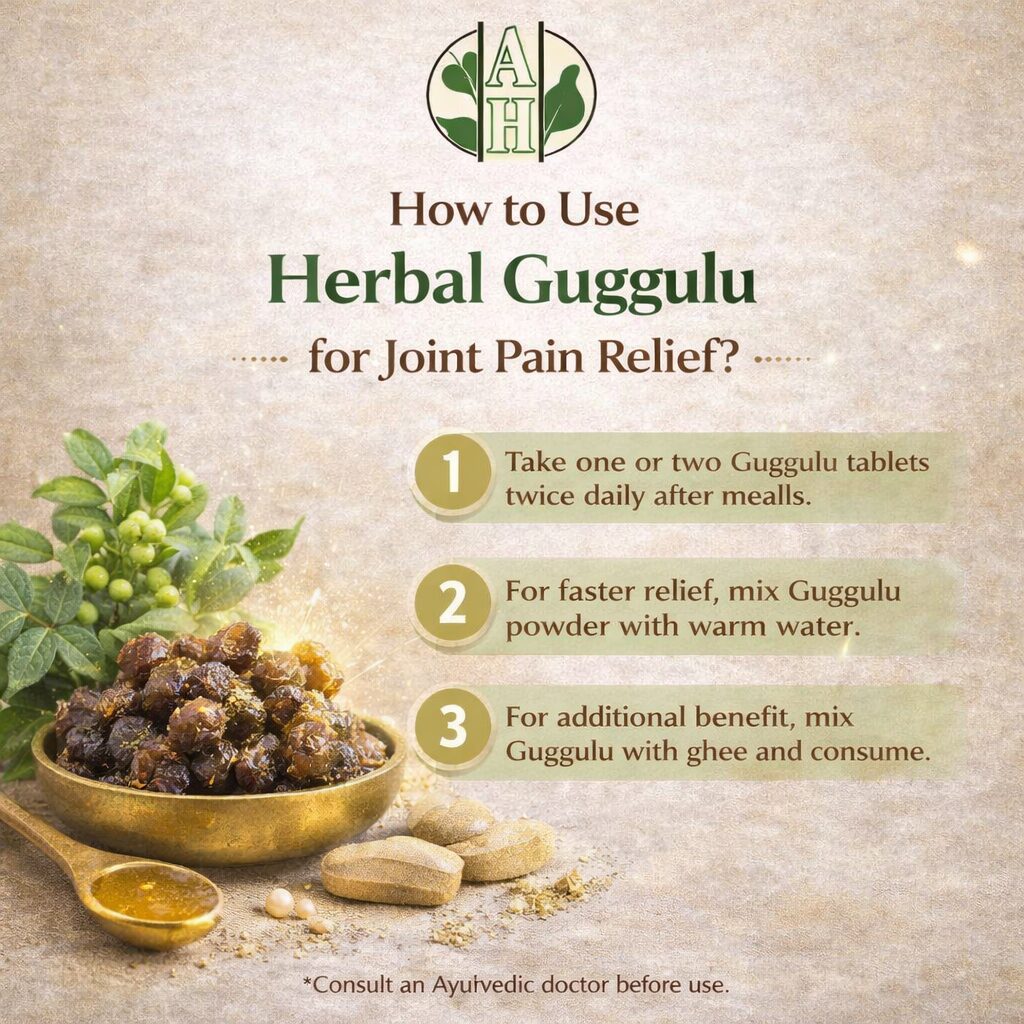
Joint pain doesn’t have to control your daily activities. Herbal guggulu, a traditional Ayurvedic remedy, offers natural relief for people dealing with arthritis, stiff joints, and chronic inflammation.
This guide is for anyone seeking natural alternatives to conventional pain medications, especially those interested in time-tested herbal solutions. You’ll discover how guggulu’s anti-inflammatory compounds work to reduce joint discomfort and which specific types deliver the best results for different conditions.
We’ll cover the proper dosage and timing to get maximum relief from your guggulu supplements, plus essential safety guidelines to avoid potential side effects. You’ll also learn simple ways to boost guggulu’s effectiveness through diet and lifestyle changes that support joint health.
Understanding Guggulu and Its Anti-Inflammatory Properties
What is guggulu and its active compounds
Guggulu comes from the Commiphora mukul tree, a thorny shrub native to India and Pakistan. People have been tapping this tree’s resin for thousands of years to treat various health problems, especially those involving joints and inflammation. The sticky, yellowish-brown resin contains powerful compounds called guggulsterones – specifically E-guggulsterone and Z-guggulsterone – which give guggulu its therapeutic punch.
Beyond guggulsterones, this ancient remedy packs other bioactive compounds like volatile oils, diterpenes, and sterols. These work together in what researchers call a synergistic effect, meaning they’re more powerful as a team than individually. The resin also contains myrrhanones and commiphoric acids, which add to its anti-inflammatory and pain-relieving properties.
Traditional Ayurvedic texts describe guggulu as having a special ability to penetrate deep tissues, making it particularly effective for joint conditions. Modern processing techniques have made standardized guggulu extracts available, typically containing 2.5% to 10% guggulsterones for consistent potency.
Scientific evidence for joint pain relief
Research backs up what traditional healers have known for centuries. Several clinical studies show guggulu can significantly reduce joint pain and stiffness. A notable study published in the International Journal of Medical Sciences found that participants taking guggulu extract experienced a 48% reduction in joint pain after eight weeks of treatment.
Another randomized controlled trial involving 60 people with knee osteoarthritis showed impressive results. Those taking guggulu supplements reported better mobility and less morning stiffness compared to the placebo group. Pain scores dropped by an average of 3.2 points on a 10-point scale.
Laboratory studies reveal that guggulsterones block several inflammatory pathways, including nuclear factor-kappa B (NF-κB), a key player in chronic inflammation. Research published in Phytotherapy Research demonstrated that guggulu extract reduced inflammatory markers like C-reactive protein and interleukin-6 in people with joint problems.
The evidence isn’t just limited to arthritis. Studies show guggulu helps with various inflammatory joint conditions, from rheumatoid arthritis to general joint wear and tear from aging or overuse.
How guggulu reduces inflammation in joints
Guggulu tackles joint inflammation through multiple mechanisms, making it particularly effective. The guggulsterones work by blocking pro-inflammatory enzymes like cyclooxygenase-2 (COX-2) and lipoxygenase, which normally produce inflammatory compounds that cause pain and swelling.
The compound also stops inflammatory cells called macrophages from releasing damaging substances into joint tissues. This prevents the cascade of inflammation that leads to cartilage breakdown and bone damage. Think of guggulu as putting the brakes on your body’s inflammatory response before it gets out of control.
Guggulu increases blood flow to affected joints, bringing fresh nutrients and oxygen while helping remove inflammatory waste products. This improved circulation speeds healing and reduces stiffness. The resin also stimulates the production of synovial fluid, the natural lubricant that keeps joints moving smoothly.
Research shows guggulu can actually help rebuild damaged cartilage by promoting the production of collagen and other structural proteins. This regenerative effect sets it apart from many conventional treatments that only mask symptoms without addressing underlying tissue damage.
Comparison with conventional pain medications
Unlike NSAIDs (non-steroidal anti-inflammatory drugs) that can cause stomach ulcers and kidney problems with long-term use, guggulu offers a gentler approach to pain relief. While ibuprofen or naproxen might work faster for acute pain, guggulu provides sustained relief without the harsh side effects.
| Aspect | Guggulu | NSAIDs | Prescription Pain Meds |
| Onset of action | 2-4 weeks | Hours | Minutes to hours |
| Side effects | Minimal (digestive upset) | GI bleeding, kidney issues | Dependency, drowsiness |
| Long-term safety | Generally safe | Risk increases with time | High dependency risk |
| Cartilage protection | May help rebuild | Can accelerate breakdown | No protective effect |
| Cost | Moderate | Low | High |
Guggulu works differently than conventional pain medications. While opioids block pain signals and NSAIDs reduce inflammation temporarily, guggulu addresses root causes by modulating immune responses and promoting tissue repair. This means you might not feel immediate relief like you would with a prescription painkiller, but the benefits build over time and tend to last longer.
The safety profile of guggulu makes it suitable for long-term use, which is important since joint problems are often chronic conditions requiring ongoing management. Many people find they can reduce their reliance on conventional medications once guggulu starts working effectively.
Different Types of Guggulu for Joint Health
Pure Guggulu Resin Benefits
Pure guggulu resin stands as the most concentrated form of this powerful anti-inflammatory compound. Extracted directly from the Commiphora mukul tree, this amber-colored resin contains the highest levels of active compounds called guggulsterones. These compounds specifically target inflammatory pathways that cause joint stiffness and pain.
The resin works by blocking certain enzymes that trigger inflammation in cartilage and surrounding tissues. Many people notice reduced morning stiffness within 2-3 weeks of consistent use. Pure guggulu also helps improve blood circulation around joints, which speeds up the healing process and reduces swelling.
The main advantage of pure resin is its potency – you need smaller doses compared to processed formulations. However, the strong taste and smell can be challenging for some users. Taking it with warm milk or honey makes it more palatable while maintaining its effectiveness.
Yogaraj Guggulu for Arthritis Relief
Yogaraj guggulu combines pure guggulu with 27 complementary herbs, creating a synergistic blend specifically designed for arthritis management. This classical Ayurvedic formulation includes ingredients like chitrak, pippali, and triphala that work together to reduce joint inflammation and improve mobility.
The formula targets multiple aspects of arthritis simultaneously. While guggulu addresses inflammation, herbs like rasna and nirgundi provide additional pain relief. The combination also includes digestive herbs that help your body absorb and process the active compounds more effectively.
Clinical observations show that people with rheumatoid arthritis often experience significant improvement in joint pain and stiffness after 6-8 weeks of regular use. The formula also helps reduce the characteristic swelling and heat associated with inflammatory arthritis. Many users report being able to reduce their dependence on conventional pain medications when using yogaraj guggulu consistently.
Mahayogaraj Guggulu for Chronic Joint Conditions
Mahayogaraj guggulu represents the most comprehensive guggulu formulation, containing over 40 herbs that address chronic and severe joint conditions. This powerful blend includes precious ingredients like swarna bhasma (gold ash) and rajat bhasma (silver ash), which enhance the formula’s penetrating power and effectiveness.
The formulation excels in treating degenerative joint diseases like osteoarthritis, where cartilage breakdown causes persistent pain and reduced mobility. The additional herbs like ashwagandha and bala help strengthen bones and muscles around affected joints, providing structural support that goes beyond simple pain relief.
People with chronic conditions often see gradual but lasting improvements over 3-4 months of use. The formula works particularly well for those experiencing joint pain that worsens with weather changes or physical activity. The presence of nervine herbs also helps manage the emotional stress that often accompanies chronic pain conditions.
Kaishore Guggulu for Inflammatory Joint Pain
Kaishore guggulu specifically targets the inflammatory component of joint pain through its unique combination of cooling and detoxifying herbs. The formulation includes guduchi, amalaki, and haritaki, which help eliminate inflammatory toxins from joint tissues while providing sustained pain relief.
This variety works exceptionally well for people whose joint pain feels hot, burning, or tender to touch. The cooling herbs counteract the inflammatory heat while guggulu addresses the underlying inflammatory pathways. The formula also supports liver function, which helps process and eliminate inflammatory compounds more efficiently.
Users typically notice reduced joint tenderness and improved range of motion within 4-6 weeks. The formula also helps with associated symptoms like fatigue and low-grade fever that sometimes accompany inflammatory joint conditions. Regular use can help prevent flare-ups and maintain stable joint comfort over time.
Proper Dosage and Timing for Maximum Relief
Recommended daily dosage amounts
Getting the right dose of guggulu is key to seeing real benefits for your joints. Most studies show that taking 300-500mg of standardized guggulsterone extract twice daily works well for joint pain relief. If you’re using raw guggulu powder, you’ll need higher amounts – typically 1-3 grams daily split into two doses.
Your body weight and the severity of your joint issues play a big role in finding your sweet spot. People under 150 pounds often do well with the lower end of the range, while those over 200 pounds might need the higher doses to feel significant relief. Start with the minimum effective dose and gradually increase if needed over 2-3 weeks.
| Body Weight | Guggulsterone Extract | Raw Guggulu Powder |
| Under 150 lbs | 300mg twice daily | 1-1.5g twice daily |
| 150-200 lbs | 400mg twice daily | 1.5-2g twice daily |
| Over 200 lbs | 500mg twice daily | 2-3g twice daily |
Quality matters just as much as quantity. Look for supplements standardized to contain at least 2.5% guggulsterones – the active compounds responsible for the anti-inflammatory effects. Cheaper products often contain fillers or lower concentrations that won’t deliver the results you’re after.
Best times to take guggulu supplements
Taking guggulu at the right times can make a huge difference in how well it works. Your body absorbs guggulsterones best when taken with meals, particularly those containing some healthy fats. The fat helps your digestive system break down and absorb these compounds more effectively.
Morning and evening doses work best for most people dealing with joint pain. Take your first dose with breakfast to get inflammation-fighting compounds working early in the day when morning stiffness is often worst. Your second dose should come with dinner, giving you overnight protection against inflammatory processes that can cause morning joint pain.
Avoid taking guggulu on an empty stomach – this can cause digestive upset and reduces absorption significantly. If you forget to take it with meals, have it with a small snack that includes some nuts, seeds, or a bit of olive oil.
Spacing your doses 8-12 hours apart maintains steady levels of active compounds in your system. Some people find taking guggulu too close to bedtime affects their sleep, so if you’re sensitive to supplements, stick to morning and early evening timing.
Duration of treatment for optimal results
Patience pays off with guggulu – this isn’t a quick fix like popping an ibuprofen. Most people start noticing subtle improvements in joint comfort after 2-3 weeks of consistent use, but the real benefits typically show up around the 6-8 week mark.
Plan for at least a 12-week trial to fairly judge whether guggulu is helping your joint pain. The anti-inflammatory effects build up gradually as the compounds work to reduce chronic inflammation in your joints and surrounding tissues. Some people see dramatic improvements by week 4, while others need the full 12 weeks to experience significant relief.
Long-term use appears safe for most people, with many traditional practitioners recommending 3-6 month cycles followed by a 2-4 week break. This cycling approach may help prevent your body from becoming less responsive to the supplement over time.
Keep a simple pain journal during your first few months – rate your joint pain and stiffness daily on a 1-10 scale. This helps you track subtle improvements that might otherwise go unnoticed. Many people are surprised to look back and see their average pain scores dropping steadily over 8-12 weeks, even when day-to-day changes felt minimal.
Safe Usage Guidelines and Precautions
Who Should Avoid Guggulu Supplements
Certain individuals need to stay away from guggulu supplements to prevent serious health complications. Pregnant and breastfeeding women should completely avoid guggulu, as it can stimulate uterine contractions and potentially cause miscarriage or premature labor. People with hyperthyroidism or thyroid disorders need to be particularly cautious, since guggulu can further increase thyroid hormone levels.
If you have bleeding disorders like hemophilia or take blood-thinning medications such as warfarin, guggulu isn’t for you. The herb has natural anticoagulant properties that can dangerously increase bleeding risk. Those scheduled for surgery should stop using guggulu at least two weeks beforehand for the same reason.
People with liver disease or a history of liver problems should avoid guggulu entirely, as some studies have linked it to liver toxicity in sensitive individuals. Anyone with inflammatory bowel disease, Crohn’s disease, or ulcerative colitis should also steer clear, as guggulu might worsen these conditions.
Potential Side Effects and Interactions
Even when used correctly, guggulu can cause several side effects that range from mild to serious. Common digestive issues include stomach upset, nausea, vomiting, and diarrhea. Some people experience headaches, dizziness, or skin rashes, especially during the first few weeks of use.
More concerning side effects include liver problems, which can manifest as yellowing of the skin or eyes, dark urine, or persistent abdominal pain. Guggulu might also trigger allergic reactions in sensitive individuals, causing hives, difficulty breathing, or swelling of the face and throat.
Drug interactions are a major concern. Guggulu can reduce the effectiveness of thyroid medications like levothyroxine, requiring dosage adjustments. It also interacts with birth control pills, potentially making them less effective. Blood pressure medications, diabetes drugs, and immunosuppressants can all have altered effects when combined with guggulu.
The herb may also interfere with certain lab tests, particularly those measuring liver enzymes and thyroid function, potentially leading to misdiagnosis or inappropriate treatment changes.
Consulting Healthcare Providers Before Use
Speaking with a healthcare provider before starting guggulu is absolutely essential, especially if you have existing health conditions or take prescription medications. Your doctor can review your medical history and current medications to identify potential risks or interactions you might not have considered.
Bring a complete list of all supplements, medications, and health conditions to your appointment. Be specific about the type of guggulu you’re considering, as different formulations have varying potencies and additional ingredients. Your healthcare provider might recommend starting with a lower dose or choosing a different treatment approach entirely.
If you’re working with multiple healthcare providers, make sure they all know about your intention to use guggulu. Your cardiologist, endocrinologist, and primary care physician should coordinate to ensure there are no conflicting recommendations.
Don’t rely on advice from supplement store employees or online forums as substitutes for professional medical guidance. While these sources might offer helpful general information, only a qualified healthcare provider can assess your individual risk factors.
Monitoring Your Body’s Response
Once you start taking guggulu, pay close attention to how your body responds. Keep a daily journal noting any changes in joint pain, energy levels, digestion, sleep patterns, and overall well-being. This record will help you and your healthcare provider assess whether the supplement is working effectively.
Watch for warning signs that require immediate medical attention: severe stomach pain, yellowing of skin or eyes, unusual bruising or bleeding, persistent headaches, or allergic reactions. Don’t dismiss minor symptoms either – even mild side effects like ongoing nausea or skin irritation might indicate that guggulu isn’t right for you.
Schedule regular check-ups with your healthcare provider, especially during the first three months of use. Blood tests might be necessary to monitor liver function and check for any unexpected changes in your health markers. If you’re taking other medications, your doctor might need to adjust dosages based on how guggulu affects their absorption or effectiveness.
Start with the lowest recommended dose and increase gradually only if needed and tolerated well. This approach helps you identify your body’s tolerance level and reduces the risk of severe side effects. If joint pain relief doesn’t improve after 8-12 weeks of consistent use, discuss alternative treatments with your healthcare provider rather than increasing the dose on your own.
Conclusion
Guggulu offers a natural approach to managing joint pain through its powerful anti-inflammatory compounds. The key lies in choosing the right type for your specific needs, following proper dosage guidelines, and taking necessary safety precautions. Remember that consistency matters more than quick fixes when it comes to herbal remedies.
Start with small doses and pay attention to how your body responds. Combine guggulu with gentle movement, proper nutrition, and other joint-friendly practices to get the best results. Always check with your healthcare provider before adding any new supplement to your routine, especially if you’re already taking medications or have existing health conditions. Your joints will thank you for taking this thoughtful, natural approach to pain relief.

Add comment