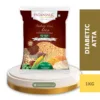

Patanjali Diabetic Atta 1 kg
₹120.00
In stock
-
Buy 5+ units 3% OFF
-
Best value
Buy 10+ units 5% OFF

We ship across India. Orders are processed within 1–3 business days.
About this product
Patanjali Diabetic Atta
Patanjali Diabetic Atta, officially listed as Patanjali Diabetic Care Atta, is a multigrain flour blend designed for people who want a more fibre-rich and protein-supportive alternative to regular wheat flour. It is made using a combination of grains, pulses, and millet flours such as barley, gram, green gram, lentil, sorghum, kidney bean, finger millet, oats, wheat, and cluster bean flour. This 1 kg atta can be used for preparing rotis, chapatis, phulkas, parathas, pooris, and even selected traditional recipes like halwa.
This product is commonly chosen by people following a diabetes-conscious diet, weight-management routine, or balanced family meal plan. However, Patanjali Diabetic Atta should not be treated as a medicine or a guaranteed blood sugar control product. It is still a carbohydrate-containing food, because sadly even “diabetic atta” does not magically become air once it reaches the stomach.
Patanjali Diabetic Atta Benefits
The main benefits of Patanjali Diabetic Atta are linked with its multigrain composition, fibre content, protein support, and low glycemic index positioning. The glycemic index measures how carbohydrate-containing foods affect blood glucose levels after eating. You can read more about glycemic index on Wikipedia.
Compared with plain refined flour or regular single-grain flour, this atta includes a wider variety of grains and pulses. Ingredients such as barley, gram flour, lentil flour, pea flour, kidney bean flour, horse gram flour, and pigeon pea flour may help improve the nutritional variety of daily meals. Millets like finger millet, sorghum, and pearl millet add diversity to the flour blend, while oats and cluster bean flour contribute to the fibre-focused profile.
Patanjali Diabetic Atta may help support better satiety, balanced meal planning, and healthier roti preparation when used in controlled portions. It may be useful for people who want to reduce dependence on only wheat-based rotis. However, it should not be promoted as a cure for diabetes, obesity, cholesterol, fatty liver, or metabolic disease. Blood sugar management depends on total carbohydrate intake, portion size, meal timing, medicines, exercise, stress, sleep, and individual health condition.
Patanjali Diabetic Atta Uses
Patanjali Diabetic Atta is used for preparing everyday Indian breads such as chapatis, rotis, phulkas, parathas, and pooris. It can also be used in selected homemade recipes where multigrain flour is preferred. For a healthier routine, it is better to use it for simple rotis or phulkas instead of deep-fried pooris or high-fat parathas, because naming a product “diabetic” does not cancel oil, ghee, or portion size.
People with diabetes may include this atta in their diet after consulting a doctor or dietitian, especially if they monitor blood sugar levels. It should be eaten in measured portions along with vegetables, dal, curd, salad, and other balanced foods. Avoid pairing it with excess sugar, sweet chutneys, fried foods, or oversized servings.
For best storage, keep the atta in a cool and dry place, away from direct sunlight. After opening, transfer the contents to an airtight container to protect it from moisture, insects, and spoilage.
Patanjali Diabetic Atta Ingredients
The key ingredients in Patanjali Diabetic Atta include Barley Flour 7%, Gram Flour 7%, Green Gram Flour 7%, Moth Bean Flour 7%, Lentil Flour 7%, Pea Flour 7%, Sorghum Flour 7%, Kidney Bean Flour 7%, Finger Millet Flour 7%, Horse Gram Flour 7%, Pigeon Pea Flour 7%, Pearl Millet Flour 7%, Oats Flour 7%, Wheat Flour Atta 7%, and Cluster Bean Flour 2%.
This blend combines cereals, pulses, legumes, and millets to create a more varied flour than regular wheat atta. Always read the product label before use because ingredients, nutritional information, and packaging details may change by batch or manufacturer update.
FAQs About Patanjali Diabetic Atta
1. What is Patanjali Diabetic Atta used for?
Patanjali Diabetic Atta is used for making rotis, chapatis, phulkas, parathas, pooris, and other flour-based recipes as part of a diabetes-conscious or balanced diet.
2. Is Patanjali Diabetic Atta good for diabetic patients?
It may be a better option than regular refined flour due to its multigrain and fibre-rich blend. However, diabetic patients should control portion size and consult a doctor or dietitian.
3. Can Patanjali Diabetic Atta control blood sugar?
No food should be claimed to control blood sugar on its own. It may support a better meal plan, but diabetes management needs diet control, monitoring, activity, and medical guidance.
4. Does Patanjali Diabetic Atta contain wheat?
Yes, it contains wheat flour atta along with other grains, pulses, and millets. People with gluten intolerance or celiac disease should avoid it unless advised otherwise.
5. Can I eat Patanjali Diabetic Atta daily?
It may be used daily in controlled portions if it suits your diet. People with diabetes, kidney disease, digestive issues, or food allergies should seek professional advice.
6. Is Patanjali Diabetic Atta useful for weight management?
It may support satiety as part of a calorie-controlled diet, but it does not directly cause weight loss. Portion size and total diet still matter, annoyingly as always.
Disclaimer
This information is for general product awareness only. Patanjali Diabetic Atta is a food product and is not intended to diagnose, treat, cure, or prevent any disease. People with diabetes, gluten intolerance, kidney disease, food allergies, digestive disorders, pregnancy, breastfeeding, or any medical condition should consult a qualified healthcare professional or dietitian before regular use.
You can view the product here: Buy Patanjali Diabetic Atta on Ayurvedaholic.
Product details
| Weight | 1.5 kg |
|---|---|
| Dimensions | 30 × 20 × 10 cm |
Delivery, payment and returns
- Orders are processed within 1–3 business days after confirmation, then sent by tracked courier across India. Estimated delivery after dispatch is 3–7 working days.
- Payment is prepaid for now, by PhonePe (UPI, cards, netbanking). Cash on delivery is coming soon.
- Read our refund and returns policy before ordering. Full details are in the shipping policy.

 4% OFF
 5% OFF
 1% OFF
 7% OFF
 2% OFF
 1% OFF