What Is Lemongrass? A Complete Introduction
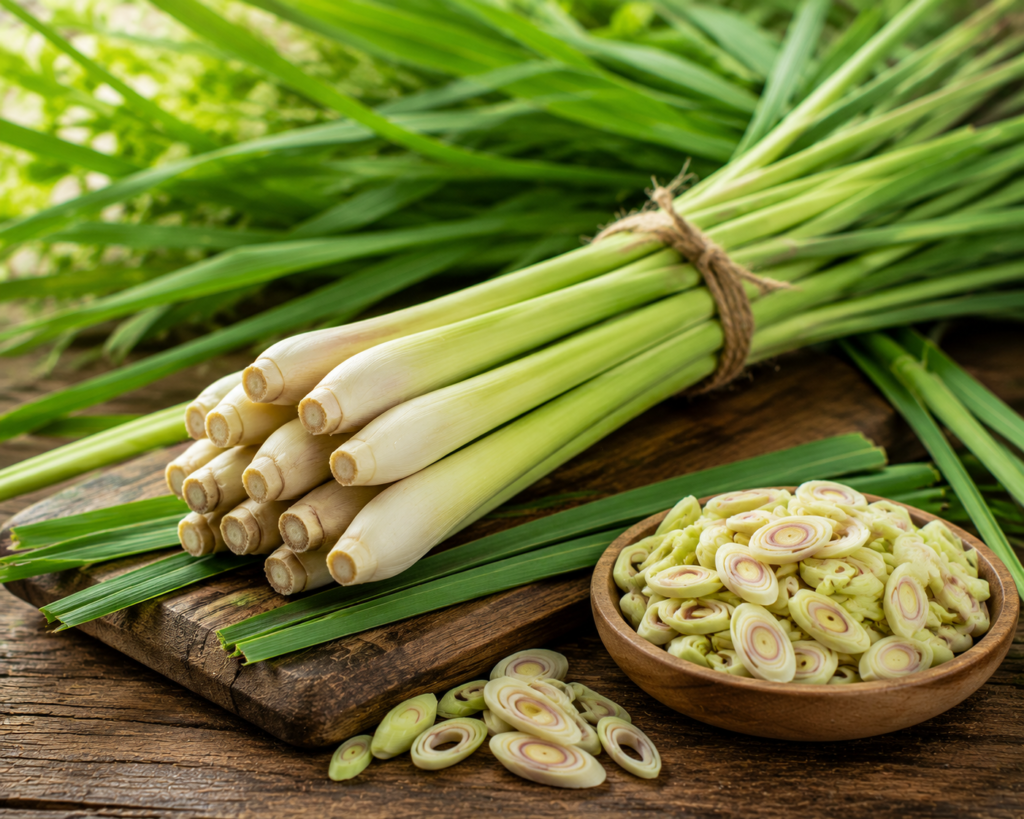
Lemongrass benefits have been documented for centuries in Ayurvedic texts, and for good reason. Botanically known as Cymbopogon citratus, this medicinal plant belongs to the Poaceae family and originates from South and Southeast Asia. Whether you know it by its Ayurvedic name Bhutrina (approximate) or simply as a kitchen herb, Lemongrass has earned its place in traditional medicine cabinets across South Asia.
You’ll find this herb mentioned in classical Ayurvedic texts like the Charaka Samhita and Sushruta Samhita — not as a footnote, but as a primary remedy. That kind of historical credibility isn’t something you can fake. In this article, you’ll learn about Lemongrass uses, its key medicinal properties, how to use it safely, and what the science says.
Origin and History of Lemongrass
Lemongrass has its roots in South and Southeast Asia. Healers in ancient India identified this herb and incorporated it into the traditional pharmacopoeia long before modern pharmacology had a name for what it was doing.
In Ayurveda, Lemongrass — called Bhutrina (approximate) — is classified as a herb that primarily balances the Pitta and Kapha dosha(s). Dosha balance is at the core of Ayurvedic diagnosis, and Lemongrass has specific affinities for body tissues (dhatus) that traditional texts describe in precise detail. It belongs to the Poaceae family of plants, a group with many other therapeutic members.
Traditional use of Lemongrass spans generations — passed from Vaidyas (Ayurvedic physicians) to patients, from grandmothers to grandchildren, as a trusted natural remedy. That unbroken chain of traditional use isn’t sentiment; it’s a signal that the plant works for the people who use it.
Key Compounds and Nutritional Profile
The therapeutic effects of Lemongrass come down to its chemistry. The plant contains citral and limonene, among other bioactive compounds including geraniol, myrcene.
Citral is particularly noteworthy. Research suggests it plays a key role in the herb’s anti-inflammatory and antioxidant effects. These compounds don’t act in isolation — they work together, which is why whole-herb preparations often outperform isolated extracts in practice.
Top Health Benefits of Lemongrass
What does Lemongrass actually do for your health? The documented benefits are wide-ranging — covering digestion, anxiety, and fever. Let’s go through what traditional medicine says, and where modern research is catching up.
Lemongrass Benefits for Immunity and Overall Health
One of the most consistent traditional uses of Lemongrass is its role in supporting digestion. Ayurvedic practitioners have long prescribed it for patients dealing with lowered immunity, chronic fatigue, or seasonal illnesses. The active compounds support the body’s natural defence responses without the side effects associated with synthetic drugs.
Beyond immunity, Lemongrass shows real benefits for anxiety. This is where traditional use and emerging scientific evidence start to align. Studies on the key compounds have demonstrated anti-inflammatory and antioxidant effects in cell-based and animal studies. Human trials are fewer, but the traditional track record adds credibility.
It’s also used traditionally for fever. Practitioners who work with this herb consistently report positive outcomes, particularly when the herb is used as part of a broader Ayurvedic protocol rather than in isolation. This herb pairs well with other Ayurvedic staples — for example, Turmeric and Ashwagandha are often used alongside Lemongrass in classical formulations.
Lemongrass for Skin, Hair, and Beauty
The skin and hair benefits of Lemongrass are well-documented in traditional texts. Specifically, the herb is known to anti-acne, oily skin control, anti-dandruff. This isn’t new — Ayurvedic physicians used Lemongrass externally and internally for cosmetic concerns long before the modern skincare industry existed.
The anti-inflammatory compounds in Lemongrass help calm irritated skin, reduce redness, and support the skin’s barrier function. For hair, the herb provides nutrients and plant compounds that nourish the scalp and strengthen follicles. Whether used as an oil, paste, or internal supplement, the effects on appearance reflect what’s happening internally — which is exactly how Ayurveda approaches beauty.
Medicinal Properties of Lemongrass
How Lemongrass Works as a Natural Remedy
Lemongrass works through multiple mechanisms. The primary active compounds — particularly citral — interact with the body’s inflammatory pathways, immune signals, and oxidative stress responses. This multi-pathway action is one reason it’s effective for such a range of conditions.
As a natural remedy, Lemongrass doesn’t force the body into a specific response the way pharmaceutical drugs do. It works with the body’s existing intelligence — supporting, modulating, and tonifying. This is the core principle of plant-based medicine and explains why Lemongrass has been used for digestion and anxiety across different cultures and traditions.
Lemongrass in Ayurveda and Traditional Medicine
In Ayurveda, Lemongrass (Bhutrina (approximate)) is considered a medicinal herb that primarily pacifies the Pitta and Kapha dosha(s). This classification tells a practitioner a great deal about how and when to prescribe it, what other herbs to combine it with, and which body systems it will most affect.
Classical texts describe Lemongrass as useful for conditions involving digestion and fever. Formulations containing this herb appear in texts like Ashtanga Hridayam and Charaka Samhita. That level of documentation — over 2,000 years of recorded clinical observation — is something that no randomised controlled trial from the last 20 years can simply dismiss. To learn more about the plant’s taxonomy and global recognition, see the Lemongrass entry on Wikipedia.
How to Use Lemongrass — Practical Usages
Lemongrass in Food, Tea, and Cooking
The simplest way to use Lemongrass is through food and drink. Depending on the form available to you — fresh herb, dried powder, or decoction — the preparation changes, but the principle doesn’t: consistent, moderate use beats occasional high doses every time.
For a basic decoction, simmer 1 teaspoon of dried Lemongrass in 2 cups of water for 10–15 minutes. Strain and drink warm. You can add honey after the liquid cools slightly. This traditional tea method extracts the water-soluble compounds effectively. Some people add Lemongrass to soups, rice preparations, or chutneys — particularly if it’s a culinary herb — to get the therapeutic benefit without the medicinal routine.
Lemongrass as a Supplement or Topical Application
Standardised capsules and tablets of Lemongrass are widely available. These are convenient, but look for products that specify extract potency or active compound percentages. A product that just says “500mg Lemongrass powder” tells you much less than one that specifies the citral content.
For topical use, a paste made from Lemongrass powder and water (or rose water) can be applied directly to the skin. This works particularly well for the skin-specific uses mentioned above: anti-acne, oily skin control, anti-dandruff. Leave for 15–20 minutes, then rinse. For hair, you can mix the powder into your regular hair mask or oil treatment.
Standard dosage guidance: 3–6 grams of dried powder per day is common in classical Ayurveda, though this varies with the condition and individual. Always start with a lower dose and work up. Formulations with Lemongrass — such as classical Ayurvedic compound preparations — are often more effective than the raw herb alone.
Side Effects and Precautions of Lemongrass
Like any medicinal herb, Lemongrass isn’t without cautions. The main concerns: may irritate sensitive skin; avoid undiluted essential oil.
If you’re pregnant, nursing, or managing a chronic condition, speak to a qualified Ayurvedic physician before starting Lemongrass. The same applies if you’re on prescription medications — herb-drug interactions are real, and citral can influence how some drugs are metabolised.
Quality matters enormously with Ayurvedic herbs. Poorly sourced or adulterated products are a genuine concern. Buy from reputable brands that provide third-party testing, and avoid suspiciously cheap preparations. The herb itself is safe when used correctly — the risks come from poor quality or inappropriate use.
Frequently Asked Questions About Lemongrass
What are the main Lemongrass benefits for health?
The primary Lemongrass benefits include digestion, anxiety, and fever. In traditional medicine, this herb is valued for its action on the Pitta and Kapha dosha and its role in supporting immunity and digestive health.
How do I use Lemongrass in traditional medicine?
Lemongrass in traditional medicine is typically used as a decoction (kashaya), powder (churna), or compound formulation. In Ayurveda, it’s taken internally as a tea or supplement, or applied externally as a paste or oil for skin and hair concerns.
Is Lemongrass good for skin and hair?
Yes — Lemongrass for skin and hair has a long history in traditional practice. The herb is known to anti-acne, oily skin control, anti-dandruff. Applied topically or used internally, it supports healthy skin through its anti-inflammatory and antioxidant compounds.
What is the Ayurvedic name for Lemongrass?
The Ayurvedic name for Lemongrass is Bhutrina (approximate). It’s classified under the Pitta and Kapha-pacifying herbs in classical Ayurvedic texts and is mentioned in formulations found in the Charaka Samhita, Sushruta Samhita, and Ashtanga Hridayam.
Are there any side effects of Lemongrass?
Side effects of Lemongrass are uncommon at therapeutic doses but worth knowing: may irritate sensitive skin; avoid undiluted essential oil. Always use authenticated preparations and consult a qualified herbalist or Ayurvedic physician before starting any new herbal regimen.
Lemongrass benefits make it one of the more versatile herbs in the Ayurvedic pharmacopoeia. It’s earned its reputation through centuries of documented use — not marketing claims. Whether you’re looking to support digestion or address anxiety, this herb has something to offer. Start with a quality source, use it consistently, and pay attention to how your body responds. That’s the Ayurvedic approach — and it works.