
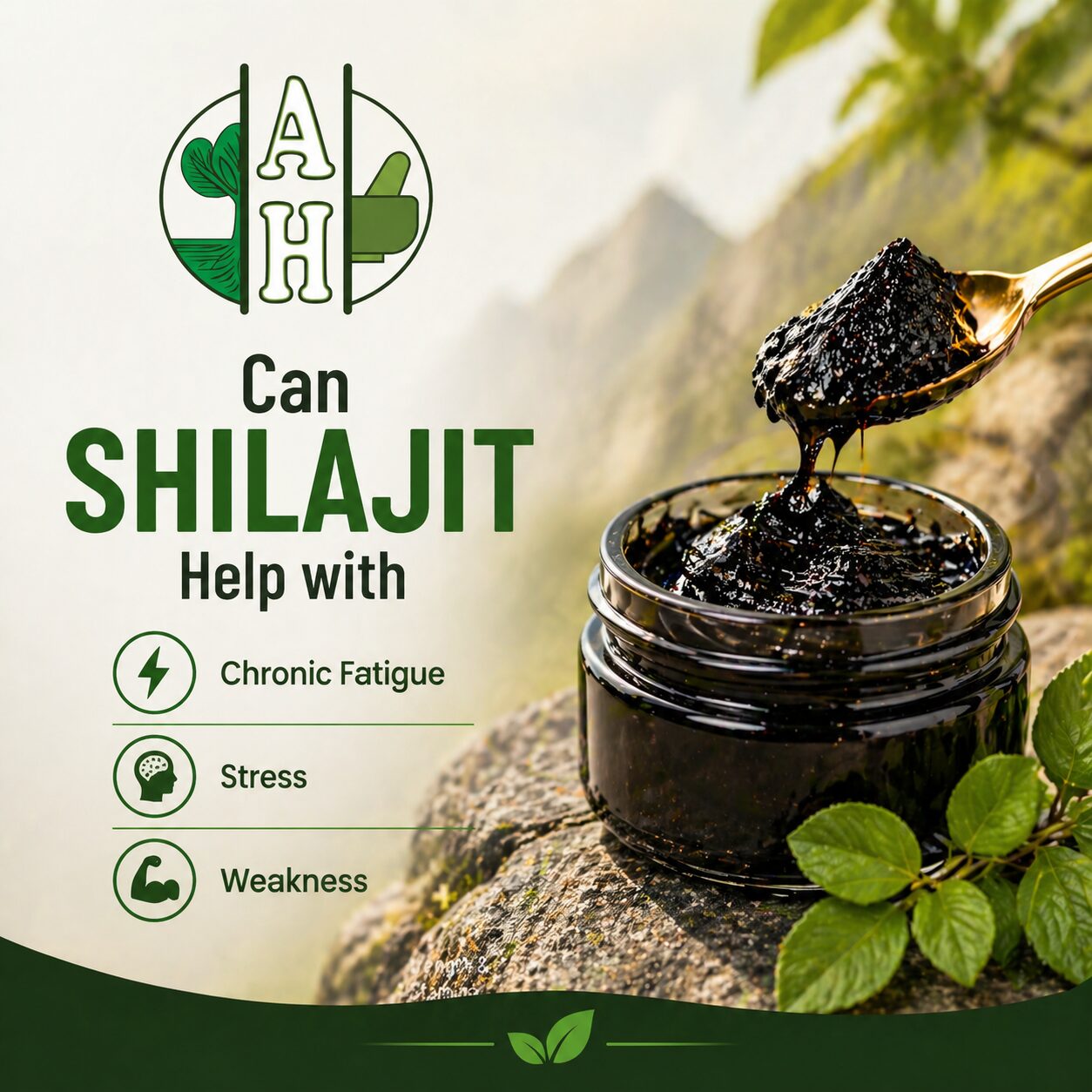
Can Shilajit Help with Chronic Fatigue, Stress & Weakness?
Chronic fatigue, persistent stress, and weakness are widespread concerns in today’s fast‑paced world. Many individuals seek natural support options that may complement lifestyle changes and conventional care. One traditional remedy gaining modern attention is shilajit, a mineral‑rich substance used in Ayurvedic medicine for centuries. But can shilajit truly help with fatigue, stress, and weakness? This article examines the evidence, mechanisms, potential benefits, limitations, and safety considerations — for informational purposes only.
Disclaimer: This article is provided for general information only and does not constitute medical advice. It should not replace professional healthcare consultation, diagnosis, or treatment. Always consult a qualified healthcare provider before starting any new supplement or treatment, especially if you have medical conditions or are taking medications.
What Is Shilajit?
Shilajit is a sticky, tar‑like resin that oozes from rocks in high mountain ranges, particularly the Himalayas. Traditionally used in Ayurveda, it contains fulvic acid, humic substances, trace minerals, and other bioactive compounds. Historical uses include support for vitality, digestion, cognitive function, and resilience to physical and mental stress.
Modern interest stems from its rich composition and laboratory studies suggesting potential biological activity related to energy production, antioxidant protection, and inflammation modulation.
How Does Shilajit Work? Mechanisms Linked to Fatigue & Stress
Researchers propose several mechanisms by which shilajit might influence fatigue and stress:
1. Cellular Energy Production
Shilajit contains fulvic acid and minerals that may support mitochondrial function — the “powerhouses” of cells responsible for energy production. Some animal studies suggest shilajit enhances ATP (adenosine triphosphate) synthesis, potentially influencing cellular energy availability.
2. Antioxidant Effects
Oxidative stress, caused by free radicals, is associated with fatigue and chronic stress. Compounds in shilajit, particularly fulvic acid, exhibit antioxidant properties in laboratory settings, which may help neutralize free radicals and support cellular resilience.
3. Hormonal and Nervous System Modulation
There is limited evidence indicating shilajit could influence stress‑related pathways, including cortisol regulation. Cortisol is a key hormone involved in the body’s stress response, and imbalances may contribute to fatigue and mood disturbances.
4. Anti‑Inflammatory Activity
Chronic, low‑grade inflammation has been linked to fatigue and stress. Some components of shilajit may exhibit anti‑inflammatory effects in animal or in‑vitro studies, which researchers believe could support overall wellbeing.
Evidence: What Do Studies Suggest?
It is important to distinguish between preliminary research and definitive human clinical outcomes.
Human Clinical Evidence
Research in humans is limited but growing. A few small trials have investigated shilajit’s effects on physical performance, fatigue, and general wellbeing:
- Small studies suggest potential improvements in physical endurance and reduced sensations of fatigue during exertion.
2.Some research has explored cognitive function and mood improvements in healthy adults.
However, available studies often have small sample sizes, short durations, and varying formulations, meaning results should be interpreted cautiously. Larger, well‑controlled human trials are needed to confirm effectiveness and optimal dosing for fatigue and stress.
Animal & Laboratory Studies
Animal studies offer supportive insights on energy metabolism and antioxidant effects, but results from animals do not always translate directly to humans.
Potential Benefits for Fatigue, Stress & Weakness
Based on existing research and traditional use, shilajit may offer the following potential benefits:
1. Support for Physical Energy Levels
Some evidence suggests shilajit may help improve endurance and perceived energy — which could be relevant for individuals experiencing physical weakness or low stamina.
2. Stress Resilience
By potentially influencing stress‑related pathways and antioxidant defenses, shilajit might contribute to better stress resilience, although research is not conclusive.
3. Cognitive Function & Mood Support
Preliminary studies indicate possible cognitive benefits that may indirectly support mental energy and focus, which can be affected by stress and fatigue.
Safety, Dosage & Precautions
Safety Profile
Many people tolerate shilajit well when used appropriately. However, the following safety considerations are critical:
1. Purity Matters: Shilajit can contain heavy metals or contaminants if not properly purified. Only use products from reputable sources with quality testing.
2. Pregnancy & Breastfeeding: Safety data is limited; avoid use unless advised by a healthcare professional.
3. Interactions: Shilajit may interact with medications that affect blood pressure, blood sugar, or hormone levels.
4. Pre‑Existing Conditions: People with autoimmune disorders, heart disease, diabetes, or other chronic illnesses should consult a clinician before use.
Dosing Considerations
There is no universally accepted dosage for shilajit. Products vary widely in concentration, so follow manufacturer guidelines and professional advice. Start with the lowest effective dose and monitor response.
Lifestyle Factors That Also Matter
While shilajit may offer support, chronic fatigue, stress, and weakness are multifactorial. Effective management typically includes:
1. Balanced Nutrition: Adequate macro and micronutrients support energy metabolism.
2. Sleep Quality: Good sleep hygiene is foundational for recovery and stress resilience.
3. Stress Management: Techniques like meditation, breathing exercises, and mindfulness can support mental health.
4. Physical Activity: Regular, appropriate exercise improves energy metabolism and mood.
5. Medical Evaluation: Underlying conditions like anemia, thyroid dysfunction, or chronic infections should be assessed by a healthcare provider.
For complementary natural strategies beyond shilajit, you may also find helpful information in our post on Adaptogenic Herbs for Stress & Fatigue (internal link).
Who Might Consider Shilajit?
It may be considered by adults seeking natural supplementation as part of a broader wellness plan that includes lifestyle adjustments and medical guidance. It should not replace conventional treatments for diagnosed medical conditions.
Conclusion
Shilajit has a long history in traditional medicine and emerging scientific interest due to its bioactive compounds. Early evidence suggests possible support for energy metabolism, antioxidant defenses, and stress‑related pathways, but strong clinical evidence in humans remains limited.
If you choose to explore shilajit, do so with high‑quality products and professional guidance. Complementary lifestyle habits — sleep, diet, exercise, and stress management — remain essential for addressing fatigue, stress, and weakness.
Final Note
This article is intended solely for informational purposes and should not be interpreted as medical advice. Consult a qualified healthcare professional before beginning any new supplement or health regimen.


Add comment