
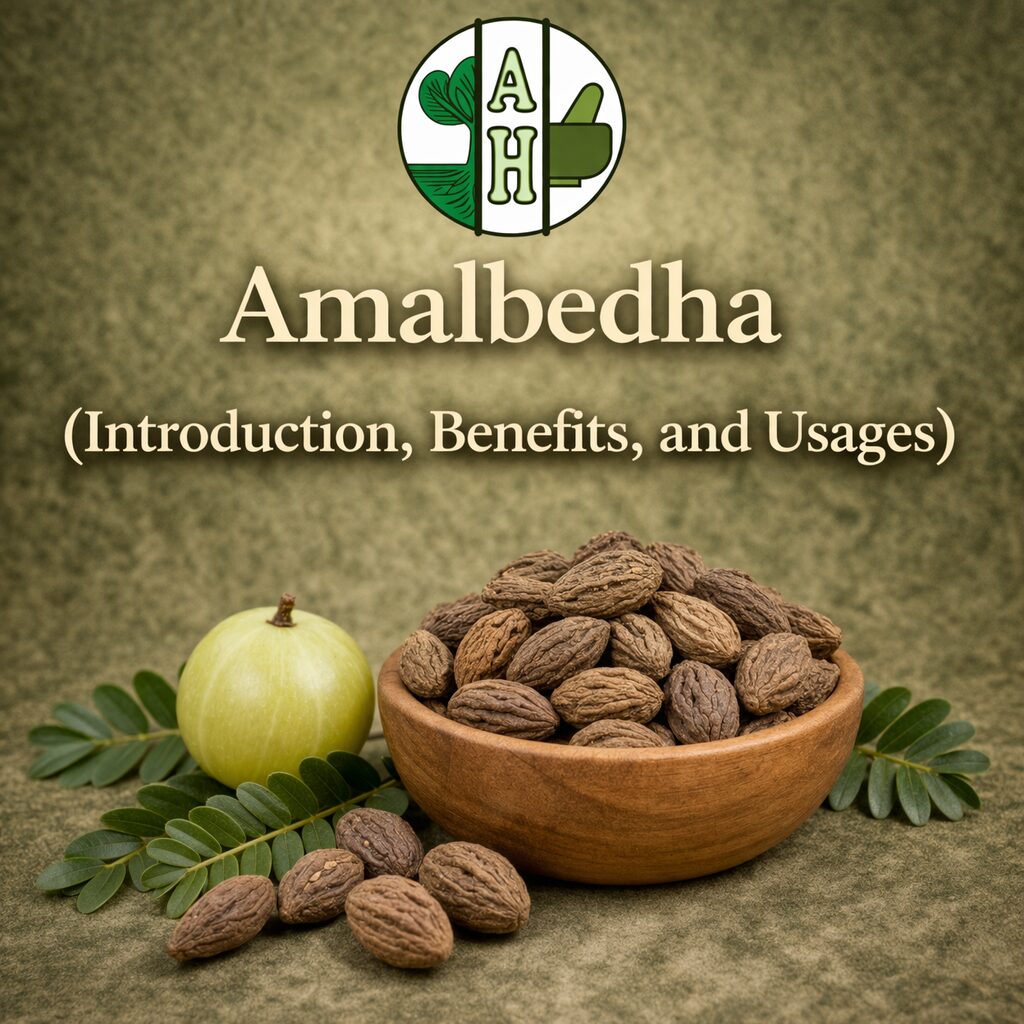
Amalbedha (Introduction, Benefits, and Usages)
There’s a certain pleasure in discovering a herb that feels like an old friend — one you may not have met yet, but whose benefits feel like whispered wisdom passed down through generations. Amalbedha is one such remarkable botanical gem. In the verdant hills of northeastern India and the tropical forests of Southeast Asia, this humble evergreen tree has been woven into the fabric of everyday life, seasoning meals, soothing digestive distress, and grounding Ayurvedic wellness traditions with its nourishing presence. Its tangy, slightly sour fruits tell tales of ancient kitchens and herbal shops alike — a taste that lingers on the palate and a legacy that lingers in Ayurvedic lore.
In today’s world, where digestive issues, sluggish metabolisms, and chronic inflammation have become common complaints, the return to time‑honoured herbs like Amalbedha feels refreshingly rooted. This is not a trend‑word or a fleeting health craze — it’s a reminder of the elegance of nature’s pharmacy. For centuries, people have looked to this herb not just to “fix” symptoms, but to restore balance, ease nervous digestion, and support broad layers of health with gentle, multifaceted botanical action.
What Is Amalbedha?
Botanically known as Garcinia pedunculata Roxb., Amalbedha belongs to the Clusiaceae family — a group of evergreen trees that includes other medicinal relatives like kokum (Garcinia indica). Its glossy leaves and greenish‑yellow fruits are recognizable in regions of northeast India, Bangladesh, and Myanmar, where the tree has been part of local diets and home remedies for generations.
The fruits themselves are round, juicy, and distinctly sour, often eaten raw or dried and added to curries, chutneys, and preserves. Across India’s diverse linguistic landscape, Amalbedha goes by many names — in Assamese, it’s called Bor Thekera; in Bengali, it’s known as Thaikal; and various Ayurvedic texts and regional dialects refer to it as Amlavetasa, Rasamla, or Bhedan.
Amalbedha in History and Culture
Though not as frequently cited in the major pan‑Indian Ayurvedic canonical texts as some other herbs, Amalbedha (Amlavetasa) appears in classical Ayurvedic materia medica and commentaries as a digestive and mild laxative agent, often compared to related sour fruits used to stoke agni (digestive fire) and balance internal doshas.
Folk traditions living in the villages of Assam and adjoining regions imbue this fruit with cultural importance as both a food and medicine. Families traditionally sun‑dry the fruits during harvest season, preserving them for use in soups and stews through monsoon and winter seasons, when digestive sluggishness and accumulating ama (toxins) are believed to be more common.
Ayurvedic Properties
From an Ayurvedic lens, Amalbedha presents primarily with a sour (amla) rasa (taste), laghu (light) and ruksha (dry) qualities, ushna virya (hot potency), and an amla vipaka (post‑digestive effect) — attributes that gently kindle digestion, support metabolism, and help clear stagnation in the annavaha srotas (digestive channel). Its action pacifies Kapha and Vata doshas — easing heaviness, bloating, and sluggish movement — while its sour, digestive nature lightly stimulates pitta.
Active Compounds and Modern Research
Amalbedha’s sour fruit is packed with bioactive constituents like hydroxycitric acid, garcinol, pedunculol, and a rich array of polyphenols and flavonoids. These compounds deliver antioxidant, anti‑inflammatory, and metabolic support — and scientists increasingly study them for their potential health benefits. For example, animal studies show that Garcinia pedunculata fruit extracts can significantly lower blood glucose and lipid levels and improve antioxidant enzyme activities, suggesting promise in managing hyperglycemia and oxidative stress.
Benefits of Amalbedha
Digestive Support and Agnideepana
Amalbedha has a long‑standing reputation in Ayurvedic practice for stimulating agni — the digestive fire. Its sour taste and active bitters help reduce bloating, gas, and indigestion by promoting more effective breakdown of food and smoother movement through the intestines. Many appreciate how it eases the discomfort of heaviness after meals and aids regular bowel habits.
Balances Doshas and Supports Metabolism
Due to its light, dry qualities and warming potency, Amalbedha gently pacifies Kapha and Vata, helping alleviate sluggish digestion, heaviness, and irregular eliminations that often accompany doshic imbalances. This alignment with internal rhythms supports balanced metabolism and a sense of core wellness.
Blood Sugar Regulation and Metabolic Harmony
Modern research demonstrates that fruit extracts of Garcinia pedunculata may reduce elevated blood glucose levels and improve insulin activity in experimental models, pointing toward its traditional use in managing conditions like Madhumeha (diabetes).
Antioxidant and Anti-inflammatory Effects
The polyphenol‑rich profile of Amalbedha fruits endows the herb with significant antioxidant power, which helps neutralize free radicals and reduce inflammatory processes in the body. This supports overall cellular health, including liver and cardiovascular tissues.
Liver and Detox Support
In both traditional use and preliminary scientific literature, the plant’s components demonstrate hepatoprotective tendencies — bolstering the liver’s ability to process toxins and support smooth metabolic transitions.
Respiratory Ease
Ayurvedic tradition uses Amalbedha for mild respiratory discomfort, particularly where Kapha congestion impacts breathing — soothing cough and wetness in the lungs and throat with its warming, clearing qualities.
Weight Management Assistance
Because it supports digestion, metabolic balance, and lipid metabolism, Amalbedha can be a gentle complement to weight management approaches rooted in Ayurvedic wisdom of diet and lifestyle.
Classical Ayurvedic Formulations
While Amalbedha is often used in simple powder or decoction form, it also features in formulations designed to support digestion and detoxification:
- Amlavetasa Churna — dried fruit powder taken to enhance digestion and elimination.
- Amlavetasa Kashaya — a decoction that supports deeper cleansing of the annavaha srotas.
Even though these preparations aren’t as widely widespread as Triphala or other Rasayanas, their targeted action on digestive and metabolic pathways reflects classical Ayurvedic principles.
How to Use Amalbedha
In Ayurveda, the form you choose for Amalbedha can influence how quickly and deeply it works:
Churna (Powder): Grind dried Amalbedha fruit into a fine powder. Take 1–3 grams twice daily with warm water or honey, ideally 30 minutes before meals to support digestion and regularity.
Kashaya (Decoction): Use 5 grams in 200 ml of water, simmered down to about 50 ml — taken once or twice daily for deeper cleansing effects, especially when there’s significant ama accumulation.
Juice (Fresh Fruit Extract): Fresh Amalbedha juice (5–10 ml daily) can gently support digestion and respiratory ease when taken on an empty stomach.
Capsules/Tablets: Standardized capsules (usually 250–500 mg) provide consistent dosing and are convenient for daily use — follow product instructions or Ayurvedic guidance.
Culinary Inclusion: Slices of raw or dried fruit can be added to curries and pickles, offering mild digestive support alongside your meals.
Dosage and Safety
A typical adult dosage ranges from 1–3 grams of powder or 5–10 ml of juice daily, adjusted to individual constitution and condition. Pregnant or breastfeeding women, individuals with active peptic ulcers, or those on glucose‑lowering medication should consult a qualified Ayurvedic practitioner before use. As with any herb that can influence digestion and metabolism, careful observation and gradual dose adjustments ensure safe and effective use.
If you are looking to bring the healing power of Amalbedha into your daily wellness routine, Ayurvedaholic is your trusted destination for authentic Ayurvedic products. The platform carries a wide range of products from India’s most reputable Ayurvedic brands including Patanjali, Dabur, Baidyanath, and Kottakkal.
👉 Shop All Ayurvedic Products — Ayurvedaholic
In a world so busy chasing quick fixes, Amalbedha invites you to slow down — to savor the sour tang, nurture your inner digestive fire, and rediscover balance through ancient botanical wisdom. Its story isn’t just about an herb; it’s about reconnecting with rhythms that honor both body and spirit.
Disclaimer
The information in this article is for educational purposes only and does not constitute medical advice, diagnosis, or treatment. Always consult a qualified Ayurvedic practitioner or healthcare professional before using any herb or formulation, especially if you are pregnant, breastfeeding, or on medication. Individual results may vary. Ayurvedaholic does not claim to diagnose, treat, cure, or prevent any disease.
References
- Charaka Samhita, Sutra Sthana, Chapter 26
- Bhavaprakasha Nighantu, Amradi Varga — Amalbedha (Phyllanthus acidus) Entry
- Lokesh Kumar G. et al. — Phyllanthus acidus (L.) Skeels: A review of its traditional uses, phytochemistry, and pharmacological properties. Journal of Ethnopharmacology, 2020 — View on PubMed
- Godliving Mtulya et al. — The Genus Phyllanthus: An Ethnopharmacological, Phytochemical, and Pharmacological Review. Evidence-Based Complementary and Alternative Medicine, PMC, 2016 — View on PMC
- Easy Ayurveda — Star Gooseberry (Phyllanthus acidus) Uses, Remedies, Side Effects — easyayurveda.com
Add comment