
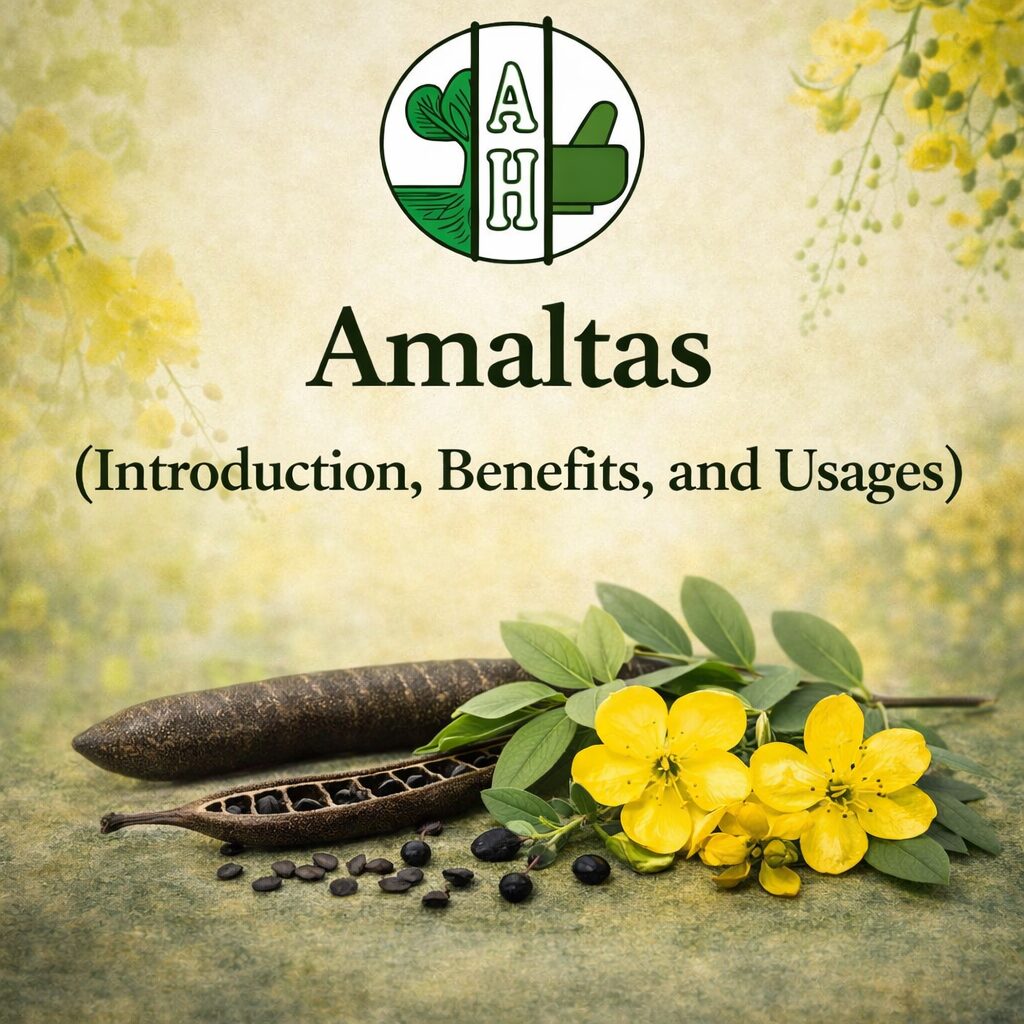
Amaltas (Introduction, Benefits, and Usages)
There’s something deeply poetic about a tree that drapes itself in cascading golden blossoms — like sunshine captured in petals. In India, the arrival of Amaltas in bloom is more than just a seasonal spectacle; it’s a reminder that nature’s pharmacy often hides in plain sight. Long before the age of synthetic pills and laboratory extracts, Ayurvedic practitioners would walk through groves of flowering trees like Amaltas, listening to the whispers of ancient wisdom and learning from their cycles of growth. Even today, in homes and herbal gardens around the world, this tree continues to draw our curiosity — not merely for its showy flowers, but for the deep healing it promises.
In an age where many of us chase quick fixes for digestive woes or chronic imbalances, Amaltas invites us to slow down, reconnect with nature, and rediscover a timeless remedy. Its traditional role in Ayurveda isn’t just functional — it’s an invitation to holistic living. Appreciated across cultures and continents, this gentle yet powerful herb reminds us that well‑being is a journey, and plants like Amaltas are rich companions on that path.
What Is Amaltas?
Botanically known as Cassia fistula, Amaltas belongs to the Fabaceae family and is often affectionately called the Golden Shower Tree — a name that paints a vivid picture of its long drooping clusters of yellow flowers that bathe landscapes in brilliant hues. Native to the Indian subcontinent and parts of Southeast Asia, this medium‑sized deciduous tree finds itself thriving in warm, tropical climates and dry monsoon forests, from the plains of central India to the outer Himalayan foothills.
In different Indian languages, this herb wears many names that reflect its deep cultural roots: Hindi speakers know it as Amaltas or Aragvadha (Sanskrit for “killer of diseases”), Tamil as Konrai, Telugu as Rela or Aragvadham, Kannada as Kakke, Gujarati as Garmalo, and Bengali as Sonalu. In English, its popular names include Golden Shower, Indian Laburnum, Purging Cassia, or Pudding‑Pipe Tree.
Amaltas in History and Culture
The roots of Amaltas in traditional medicine go deep. This tree finds mention in the ancient Ayurvedic pharmacopeia under names like Aragvadha, literally meaning “that which destroys disease,” a testament to its much‑revered healing role in classical therapy. Over centuries, Ayurvedic scholars and vaidyas (healers) have woven Amaltas into protocols for digestive cleansing, skin conditions, and immune support.
Across rural India and neighbouring regions, Amaltas pods, flowers, and bark have been traded and used not only for physiological relief but in ritual and seasonal celebrations. The golden blossoms signal renewal and cleansing — paralleling the herb’s role in rejuvenating the body’s inner terrain. In Thailand, a close botanical cousin (Ratchaphruek, also Cassia fistula) is celebrated as a national floral emblem, further illustrating the cultural resonance of this luminous tree.
Ayurvedic Properties
In Ayurvedic wisdom, Amaltas carries a Madhura (sweet) Rasa (taste), with Guru (heavy), Snigdha (unctuous), and Mridu (gentle) Gunas (qualities). Its Virya (potency) is Sheeta (cooling), and the Vipaka (post‑digestive effect) is Madhura (sweet). These attributes make it particularly balancing for Pitta and Kapha doshas, with a mild pacifying effect on Vata. Its key karmas (actions) include Sramsana (mild purgation), Raktashodhana (blood purification), Deepana (digestive stimulation), and Shothahara (anti‑inflammatory action).
Active Compounds and Modern Research
Scientifically, Cassia fistula has attracted research interest due to its rich phytochemical profile. Its pods and flower extracts are known to contain anthraquinones (like rhein and sennosides), flavonoids, tannins, and glycosides — phytoconstituents associated with antioxidant, anti‑inflammatory and hypoglycemic properties. Modern studies show promise for its immunomodulatory and antidiabetic effects, as well as potential benefits for joint inflammation and digestive health.
Benefits of Amaltas
Digestive Harmony and Mild Purification
For centuries, Amaltas has been cherished as a gentle yet effective agent for digestive cleansing. Its natural anthraquinone compounds stimulate intestinal peristalsis and ease stool passage, making it particularly helpful when Ama (digestive residue) accumulates and interrupts metabolic flow. Unlike harsh synthetic laxatives, its action is harmonious, working with the body’s rhythms to support elimination without excessive dryness or irritation.
Cooling Support for Pitta Imbalances
In conditions where heat and inflammation predominate — such as heartburn, low‑grade fever, or irritative digestive discomfort — Amaltas’s cooling Virya soothes the internal fire (Pitta). Through its Shothahara (anti‑inflammatory) qualities, it brings relief in fiery dosha imbalances, helping the body regain its calm balance.
Skin Renewal and Purification
Amaltas’s action on Raktashodhana (blood purification) and its antimicrobial constituents contribute to its traditional use in managing various skin eruptions, rashes, and itching. Applied topically or consumed internally in tailored formulations, it supports the skin’s innate renewal processes and contributes to clearer, healthier terrain.
Antioxidant and Anti‑Inflammatory Activity
Modern research corroborates what ancient healers observed: Amaltas exhibits significant antioxidant and anti‑inflammatory potential. These properties help reduce oxidative stress, support joint comfort, and may provide protective effects for tissues exposed to chronic inflammation.
Supporting Healthy Blood Sugar Dynamics
Emerging studies suggest that compounds in Amaltas pods may assist in modulating blood glucose levels. While not a standalone treatment for diabetes, this effect can be supportive when combined with holistic dietary and lifestyle measures under expert guidance.
Immune Modulation
The immune system thrives in a balanced internal environment. Research into Amaltas tea indicates potential immunomodulatory effects, enhancing antibody responses without undue toxicity, thus illustrating a bridge between Ayurvedic wisdom and modern physiological understanding.
Uplifting Overall Resilience and Well‑Being
Beyond specific conditions, the gentle detoxifying and digestive‑supportive actions of Amaltas foster an overall sense of resilience. When the body’s inner channels function smoothly, energy moves freely — and daily life feels lighter.
Classical Ayurvedic Formulations
Traditionally, Amaltas has featured in numerous Ayurvedic preparations. Aragvadha Ghrita is a medicated ghee used to support digestive and skin health. Maha Kalyanaka Guda harnesses multiple herbs for rejuvenation and detoxification, while Panchagavya Ghrita combines dairy derivatives and herbs to nourish Dhatus (tissues) and cleanse systemic channels. These classical formulations embody the herb’s ancient legacy in balanced healing.
How to Use Amaltas
Churna (Powder) with Warm Water
Mix 3–6 g of Amaltas fruit pulp powder (Churna) with a cup of warm water or herbal tea, taken early in the morning on an empty stomach. This promotes gentle cleansing and eases bowel movement.
Kwath (Decoction)
Simmer 5–10 g of dried bark or flowers in 200 ml of water until reduced by half. Strain and sip slowly with Anupana (vehicle) like warm water or Trikatu (ginger‑black pepper‑pippali) infusion to soothe digestion.
Topical Paste
For skin irritations, crush fresh leaves or flowers into a paste and blend with Goat’s milk or Coconut oil. Apply to the affected area once daily to calm inflammation and support healing.
Infused Oil
Make Taila by gently heating Amaltas flower or bark with a carrier oil like sesame or coconut. Use this oil warm for body massage to support circulation and soothe muscular tension.
Raw Fruit Pulp with Honey
In small measured doses (½–1 tsp), mixing fresh ripe fruit pulp with honey assists digestion and supports mild purgative action — ideal when Ama stagnation is suspected.
Dosage and Safety
A typical adult dose ranges from 3–6 g of dried fruit pulp powder per day, split into two doses, often taken with warm water or herbal decoction. Because Amaltas acts as a mild purgative, avoid use during diarrhoea, acute inflammation, or pregnancy without expert guidance. Those on blood sugar‑lowering medications should consult an Ayurvedic practitioner before incorporating this herb regularly, as its effects may interact with glucose‑modulating drugs. Always seek personalized guidance from a qualified Ayurvedic physician to tailor use to your unique constitution (Prakriti) and current imbalance (Vikriti).
If you are looking to bring the healing power of Amaltas into your daily wellness routine, Ayurvedaholic is your trusted destination for authentic Ayurvedic products. The platform carries a wide range of products from India’s most reputable Ayurvedic brands including Patanjali, Dabur, Baidyanath, and Kottakkal.
👉 Shop All Ayurvedic Products — Ayurvedaholic
Amaltas remains a luminous bridge between tradition and today’s holistic wellness aspirations, grounding us in ancient wisdom even as we navigate modern life with grace. By honoring its story and respecting its potency, we can invite its supportive energies into our routines with curiosity and care.
Disclaimer
The information in this article is for educational purposes only and does not constitute medical advice, diagnosis, or treatment. Always consult a qualified Ayurvedic practitioner or healthcare professional before using any herb or formulation, especially if you are pregnant, breastfeeding, or on medication. Individual results may vary. Ayurvedaholic does not claim to diagnose, treat, cure, or prevent any disease.
References
- Charaka Samhita, Sutra Sthana, Chapter 26 — Aragvadha (Cassia fistula) classical reference
- Bhavaprakasha Nighantu, Guduchyadi Varga — Aragvadha (Amaltas) Entry
- Mwangi R.W., Macharia J.M., Wagara I.N., Bence R.L. — The medicinal properties of Cassia fistula L: A review. Biomedicine & Pharmacotherapy, 2021; 144: 112240 — View on PubMed — View Full Text on ScienceDirect
- Rahmani A.H. — Cassia fistula Linn: Potential candidate in the health management. Pharmacognosy Research, 2015; 7(3): 217–224 — View on PubMed
- Govindarajan R. et al. — Wound healing potential of Cassia fistula on infected albino rat model. Acta Pharmaceutica, 2004; 54(4): 331–338 — View on PubMed

Add comment