There’s a particular kind of joy that rises in your chest when you bite into a freshly cut amla — tart yet bright, its juices sparkling on the tongue like nature’s own vitamin tonic. For generations in India, the Indian gooseberry — amla — has been more than a fruit. It has been a trusted friend of health, an emblem of rejuvenation (rasayana), and a silent thread woven through daily life, festive rituals, and Ayurvedic wisdom. In the winter markets of Rajasthan or the sacred groves of Kerala, the sight of glossy green amlas glinting in the sun still evokes a sense of timeless healing.
Today, as the world rediscovers ancient foods and holistic remedies, amla stands at the crossroads of tradition and modern wellness. It’s not just nostalgia that brings amla back onto our plates and into our teas; it’s the growing body of scientific research validating what Ayurveda has known for millennia — that this humble fruit has extraordinary potential to nourish body, mind, and spirit.
What Is Amla?
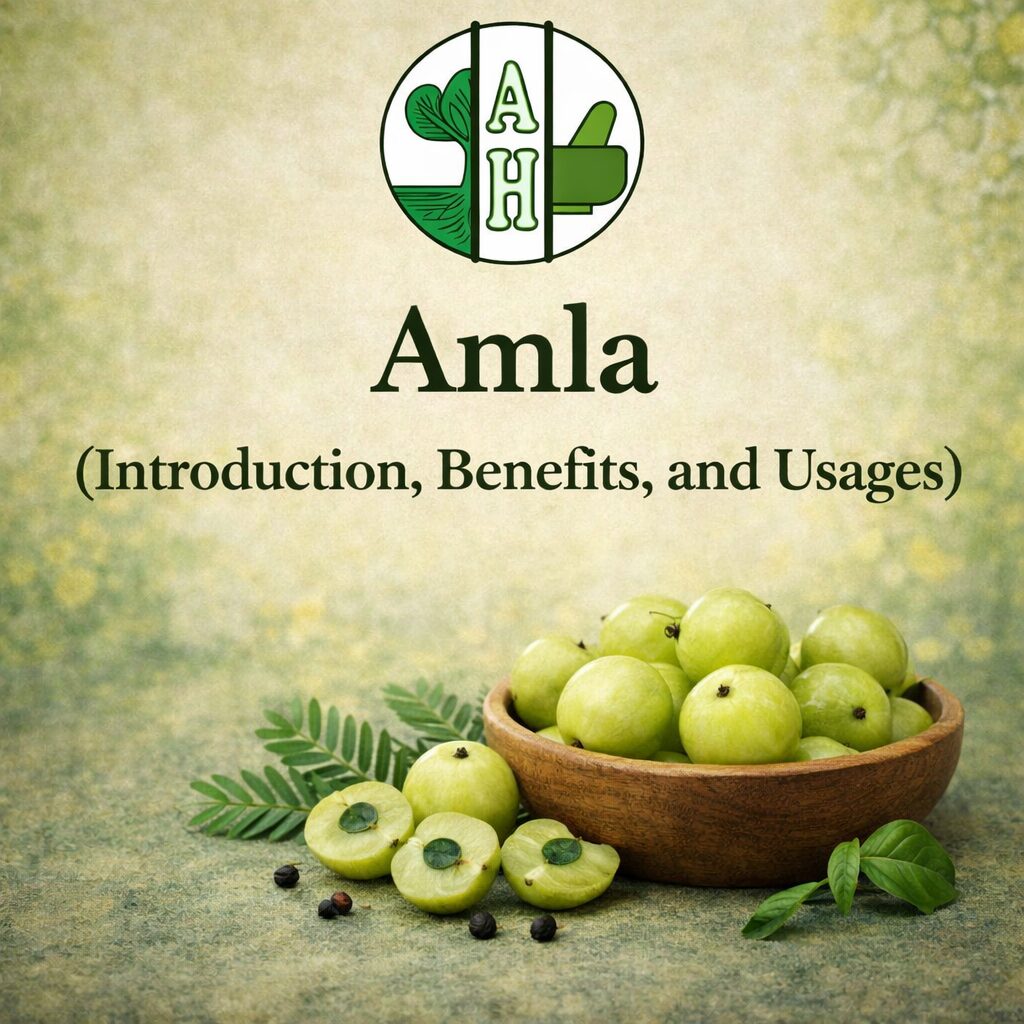
Botanically known as Phyllanthus emblica (synonym Emblica officinalis), amla belongs to the Phyllanthaceae family — a medium-sized deciduous tree bearing small, round, light-green fruits. The branches are delicate, leaves feather-like and clustered, and the fruit itself bears a subtle sheen that belies its potent inner chemistry. Amla trees thrive in tropical and subtropical regions, native especially to India but also cultivated in many parts of Southeast Asia and beyond.
Across India, amla is known by many beloved names: Amalaki or Dhatriphala in Sanskrit, Amla in Hindi, Nellikai in Tamil and Telugu, Usirikaya in Kannada, Aavla in Gujarati, and Amrul in Bengali. In English it’s often called Indian gooseberry or simply Emblic myrobalan — but no name quite captures the warmth and familiarity felt in the Indian heart.
Amla in History and Culture
Amla’s story is ancient and intertwined with Ayurveda’s roots. Classical Ayurvedic literature such as Charaka Samhita and Sushruta Samhita reference amla’s medicinal virtues, and later lexicons like Bhavaprakasha Nighantu elaborate on its botanical synonyms and therapeutic qualities. Revered as Amalaki — the nurturing one — it is described as balancing all three doshas when used appropriately, while providing strengthening and cleansing effects to the body.
In Indian lore, amla is sometimes referred to as the “first produced tree of the universe,” underscoring its exalted place in mythic imagination. Its fruits have been carried on trade routes, made into murabbas and candies for royalty, and used by yogis and sages to sustain long journeys. In religious practice, amla branches are sometimes used as offerings in temples, and the fruit is woven into rituals that honor resilience and longevity.
Ayurvedic Properties
In Ayurvedic terms, amla’s rasa (taste) encompasses all six tastes — sour predominates, yet sweet, astringent, and others are present in balance. Its guna (qualities) are guru (heavy) and ruksha (dry), with a cooling virya (energetic effect) and a sweet vipaka (post-digestive transformation). It primarily pacifies Pitta dosha while also helping balance Kapha and Vata in specific contexts. Ayurvedic actions (karmas) attributed to amla include rasayana (rejuvenation), deepana (enhancing digestive fire), pachana (promoting digestion), and hrit (heart tonic).
Active Compounds and Modern Research
Science has illuminated the depth of amla’s biochemistry: it is a rich reservoir of vitamin C (ascorbic acid) and polyphenols like gallic acid, ellagic acid, and emblicanin A and B — compounds that confer powerful antioxidant and anti-inflammatory actions. Modern research highlights amla’s potential in supporting glucose metabolism, lipid balance, digestive health, and cellular defense mechanisms thanks to these phytochemicals.
Benefits of Amla
Antioxidant and Cellular Protection
It’s combination of vitamin C and diverse polyphenols equips it with remarkable antioxidant capability. These compounds neutralize free radicals, upregulate the body’s own antioxidant enzymes, and help protect cells from oxidative stress — a factor implicated in aging and many modern chronic conditions.
Heart Health and Lipid Balance
Clinical and experimental studies suggest amla can support healthy lipid profiles, reducing LDL (“bad”) cholesterol and triglycerides while supporting HDL (“good”) cholesterol. This helps maintain vascular health and supports overall cardiovascular vibrancy.
Metabolic and Blood Sugar Support
Traditional wisdom uses amla as a gentle metabolic regulator. Modern evidence supports its role in improving glucose metabolism, possibly by slowing carbohydrate breakdown and enhancing insulin sensitivity — making it a helpful supportive food for individuals with metabolic concerns.
Digestive Comfort and Liver Support
It has long been treasured in Ayurveda for soothing agni (digestive fire), balancing gastric secretions, and supporting healthy bile flow. It is often employed to ease sensations of heaviness, bloating, and occasional digestive discomfort.
Immunity and Respiratory Wellness
Rich in vitamin C and immune-modulating constituents, amla fortifies the body’s defense systems. In winter traditions especially, fresh amla or its extracts are used to support resistance to common colds, coughs, and seasonal changes.
Skin and Hair Vitality
Whether applied externally or taken internally, it is prized for nourishing skin and hair. Its antioxidants support collagen health and protect against environmental stressors, while traditional hair oils made with amla are used to strengthen roots, reduce breakage, and enhance shine.
Classical Ayurvedic Formulations
Ayurveda incorporates amla into many treasured formulations. Chyawanprash — a sweet herbal jam — uses amla as a foundational ingredient for immunity and longevity. Amalaki Rasayana is a classic rejuvenative preparation focused on deep nourishment. Triphala, the gentle three-fruit blend, leverages amla’s digestive balancing properties. Each of these has a long lineage of use and is still embraced in contemporary Ayurvedic practice.
How to Use Amla
Fresh Fruit: Eat 1–2 small fruits daily, or enjoy the juice (10–30 ml) in warm water in the morning. Best taken on an empty stomach or with a teaspoon of honey.
Churna (Powder): 1–3 grams of dried amla powder mixed in warm water once or twice a day after meals to support digestion and metabolic balance.
Decoction (Kwath): Boil amla pieces with water and simmer for 10–15 minutes; drink 50–100 ml twice daily for detoxification and digestive ease.
Amla Oil: Warmed and applied to the scalp 2–3 times a week to nourish hair follicles and support scalp health.
Infusions and Teas: Fresh or dried amla can be steeped like tea to enjoy its gentle sustaining properties.
Dosages should always be adjusted based on individual constitution (prakriti) and current health conditions, ideally under the guidance of a qualified Ayurvedic practitioner.
Dosage and Safety
For adults, typical amla powder doses range from 1–3 grams daily, while fresh fruit or juice can be taken in moderate quantities. Pregnancy and lactation call for individualized guidance. Amla’s cooling nature can be theraputic but may not suit everyone — particularly in conditions involving low digestive agni or cold-related imbalances. Its potent nutrient profile might interact with medications like blood thinners or diabetes management drugs, so professional consultation is important. Always honor your unique health context.
If you are looking to bring the healing power of Amla into your daily wellness routine, Ayurvedaholic is your trusted destination for authentic Ayurvedic products. The platform carries a wide range of products from India’s most reputable Ayurvedic brands including Patanjali, Dabur, Baidyanath, and Kottakkal.
👉 Shop All Ayurvedic Products — Ayurvedaholic
In a world rushing toward quick fixes and fleeting trends, amla stands as a testament to the enduring wisdom of nature and Ayurveda. Its tangy fruit reminds us that true wellness isn’t a secret — it’s a way of life, passed down through seasons, stories, and shared meals.
Disclaimer
The information in this article is for educational purposes only and does not constitute medical advice, diagnosis, or treatment. Always consult a qualified Ayurvedic practitioner or healthcare professional before using any herb or formulation, especially if you are pregnant, breastfeeding, or on medication. Individual results may vary. Ayurvedaholic does not claim to diagnose, treat, cure, or prevent any disease.
References
Variya BC. et al. — “Emblica officinalis (Amla): A review…molecular mechanisms.” Pharmacol Res., 2016 — View on PubMed
Charaka Samhita, Sutra Sthana, Chapter 26
Sushruta Samhita, Sutra Sthana, Chapter 37
Bhaishajya Ratnavali of Govind Das Sen — View on Internet Archive
Phyllanthus emblica — Wikipedia — View on Wikipedia
Gul M. et al. — “Functional and Nutraceutical Significance of Amla (Phyllanthus emblica L.): A Review.” Antioxidants, 2022 — View on PubMed