
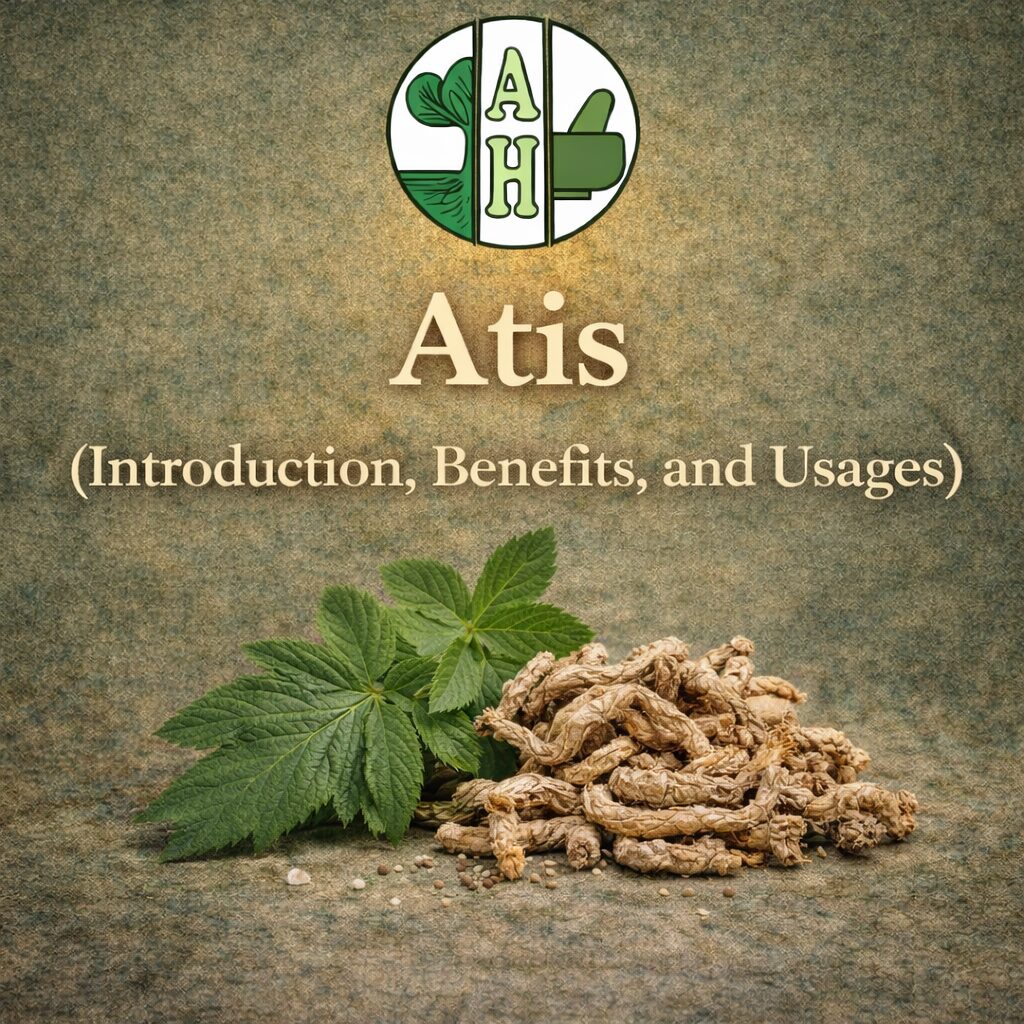
Atis (Introduction, Benefits, and Usages)
There’s a quiet kind of magic that lives among the high, mist‑kissed slopes of the Himalayas — an ancient whisper carried in the cool breeze, in the scent of dew‑damp earth, and in the roots of a humble herb called Atis. For centuries, Ayurvedic vaidyas (physicians) have revered this plant not for loud headline‑grabbing claims, but for its gentle, steady support of the body’s inner rhythms. In a world where wellness trends come and go with the seasons, Atis reminds us that real healing often grows in silence, rooted in deep tradition and humble service.
In Ayurvedic clinics across India, from the snow‑belt hamlets of Uttarakhand to the learning halls of Kerala’s traditional colleges, Atis holds a quiet reverence. It isn’t the most famous of herbs like Ashwagandha or Tulsi, but among those who know the plant well, it is held in esteem for its warmth, depth, and nourishing embrace. Today, as modern science begins to explore ancient remedies with renewed curiosity, Atis stands at a fascinating crossroads — a botanical elder with thousands of years of tradition behind it, and emerging research pointing toward a spectrum of benefits that resonate with contemporary health challenges.
What Is Atis?
Atis — botanically known as Aconitum heterophyllum — belongs to the Ranunculaceae family, a group that includes a diverse set of plants. Unlike many of its notorious relatives in the Aconitum genus (several of which are famously toxic), Aconitum heterophyllum is prized for its non‑poisonous tuberous roots, which are the part most often used in herbal preparations. This is one rare member of the aconite clan that Ayurvedic traditions have embraced for internal use, carefully harvested and prepared to harness its healing essence.
In appearance, Atis is a modest perennial herb with dark green leaves and unassuming blue‑tinged flowers. What truly matters, though, lies underground — in the thick, cream‑coloured roots that carry the concentrated life force of the plant. Native to the high altitudes of the western and central Himalayas — from Kashmir to Kumaon, at elevations between roughly 2,500 and 4,000 metres — Atis thrives in cool, moist soil with gentle sun on the mountain slopes.* *
From an Indian linguistic perspective, this herb goes by many names: Atis, Atees, Shuklakanda, Aruna, Ativisha in Sanskrit, Atis or Ativakhani in Hindi, Ati Vasa in Telugu, and Ati‑vishsa in Kannada — each echoing regional familiarity and usage across the subcontinent.
Atis in History and Culture
The story of Atis in Ayurvedic culture feels almost like a lineage passed from teacher to disciple around the warm hearth of learning. Ancient scholars documented its virtues in classical Ayurvedic compendia as a valued rasayana (rejuvenative herb) and a reliable supportive agent for digestive, respiratory, and systemic balance. Its mention in texts such as Charaka Samhita and Sushruta Samhita points to its longstanding therapeutic reputation, particularly in conditions of digestive imbalance and chronic fever. In later lexicons like Bhavaprakasha Nighantu, it takes its well‑deserved place among herbs that soothe kapha and pitta dosha imbalances while strengthening digestive fire (agni).
Beyond the classical literature, historical trade routes carried dried Atis roots down from Himalayan villages to bustling market towns, where vaidyas and herbal merchants prized its healing potency. Some folk traditions even held that a pinch of properly prepared Atis could bring relief where other herbs fell short, earning it respect in regional healing lore that persists to this day.
Ayurvedic Properties
In the Ayurvedic framework, Atis is characterised by its rasa (taste) of tikta (bitter) and katu (pungent), qualities (guna) that are generally laghu (light) and ruksha (dry). Its potency (virya) is considered ushna (heating), and post‑digestive effect (vipaka) tends toward katu (pungent state after digestion). These properties make it particularly useful in pacifying kapha and pitta doshas while stimulating digestive fire. Its actions (karma) include dipana (enhancing digestion), pacana (digesting undigested food), grahi (retaining fluids and reducing diarrhoea), and jwaraghna (reducing fever).
Active Compounds and Modern Research
Phytochemically, Atis roots contain a fascinating blend of alkaloids such as atisine, heteratisine, and benzoylheteratisine, as well as flavonoids, saponins, and glycosides — compounds that contribute to both its traditional use and its evolving research profile. Modern studies are beginning to substantiate some of the traditional tales: research reviews highlight its potential anti‑inflammatory, antimicrobial, antioxidant, and digestive balancing properties, while pharmacological investigations suggest a range of bioactivities worthy of further exploration.
Benefits of Atis
Soothes Digestive Imbalances
For centuries, Ayurvedic practitioners have turned to Atis when digestion falters. Its combination of dipana and pacana actions means that it helps enliven the digestive fire (agni) while aiding the breakdown of stubborn food residues. Traditional use sees it paired with ginger or black pepper to address bloating, gas, and digestive discomfort. Modern pharmacological evidence supports its antisecretory and antimotility activities, which can help soothe diarrhoea and restore gastrointestinal comfort.
Supports Healthy Immune Function
In Ayurveda, balanced digestion is the cornerstone of immunity. By helping the body assimilate nutrients and clear waste effectively, Atis indirectly contributes to a stronger, more resilient immune response. Its bitter and pungent constituents can also assist in breaking up stagnant mucus and reducing susceptibility to recurrent infections, especially in the upper respiratory tract.
Natural Antipyretic (Fever Reducer)
Herbal scholars of old noted Atis as jwaraghna — an agent that helps cool inflammatory heat and moderate fever. Contemporary reviews affirm that extracts of the plant display antipyretic properties in experimental models, aligning with Ayurvedic use in chronic and intermittent fevers where a gentle, cooling herb is preferred.
Respiratory Support and Expectorant Action
Traditionally, Atis has been used to ease coughs, phlegm congestion, and bronchial discomfort by helping to mobilise and expel excess mucus. Taken with warm milk or honey, the root’s supportive compounds act as a mild expectorant — a useful quality during seasons of cough and cold.
Anti‑Inflammatory and Analgesic Qualities
Components in Atis have shown promising anti‑inflammatory effects in experimental studies, resonating with its traditional use in conditions marked by heat, swelling, and discomfort. This makes it a thoughtful choice — under expert guidance — for mild inflammatory conditions that stem from imbalanced kapha or pitta doshas.
Enhances Liver and Metabolic Support
Ayurveda regards the digestive fire and liver function as interconnected realms. Atis is traditionally used for its hepatoprotective potential — supporting the liver’s capacity to metabolise compounds and detoxify the body quietly and effectively over time. Emerging research highlights the herb’s diverse bioactive profile that could underlie these systemic benefits.
Classical Ayurvedic Formulations
Atis features elegantly in several time‑honoured Ayurvedic formulas. In Sitopaladi Churna, it harmonises with fragrant herbs to ease cough and congestion. In Trikatu Ghrita, its digestive‑plus‑heating characteristics work with other herbs and ghee to support metabolism and absorption. Each of these formulations reflects a deep understanding of how single botanicals can be woven into synergistic blends to magnify their therapeutic harmony.
How to Use Atis
Churna (Powder): Traditionally, a finely milled Atis root powder (about ½–1 g) taken with warm water or honey after meals can help settle digestion and reduce excess kapha. Always combine with digestive spices like ginger or black pepper for enhanced effect under guidance.
Kwath (Decoction): Boil 2–3 g of Atis powder in 200 ml of water until reduced to 50–60 ml. Strain and sip this decoction twice daily to soothe digestive or respiratory discomfort. Adding a small pinch of rock salt can ease taste and support absorption.
Infusion with Milk: A traditional favourite for respiratory relief is a warm infusion made by steeping Atis with licorice and black pepper in milk (100–150 ml). This can be taken once daily in the evening.
Taila (Herbal Oil): Although Atis isn’t commonly used as a standalone oil, some blended therapeutic oils include its essence for joint or muscle discomfort when massaged gently into the affected area.
Steam Inhalation: During seasonal colds, adding a pinch of Atis powder to hot steam inhalation can help mobilise mucus and ease nasal congestion.
Dosage and Safety
Standard adult dosages for powdered Atis range from ½ g to 1 g daily, adjusted based on individual constitution and digestive strength. Though Aconitum heterophyllum is the non‑toxic relative of a largely toxic genus, caution is still paramount. Avoid use during pregnancy and lactation without expert guidance, and consult a qualified Ayurvedic practitioner especially if you are on medications or managing a chronic health condition, as personalized dosages and herbal combinations ensure safe and effective use.
Shop Section
If you are looking to bring the healing power of Atis into your daily wellness routine, Ayurvedaholic is your trusted destination for authentic Ayurvedic products. The platform carries a wide range of products from India’s most reputable Ayurvedic brands including Patanjali, Dabur, Baidyanath, and Kottakkal.
👉 Shop All Ayurvedic Products — Ayurvedaholic
Disclaimer
The information in this article is for educational purposes only and does not constitute medical advice, diagnosis, or treatment. Always consult a qualified Ayurvedic practitioner or healthcare professional before using any herb or formulation, especially if you are pregnant, breastfeeding, or on medication. Individual results may vary. Ayurvedaholic does not claim to diagnose, treat, cure, or prevent any disease.
References
- Charaka Samhita, Sutra Sthana, Chapter 26
- Sushruta Samhita, Sutra Sthana, Chapter 37
- Bhavaprakasha Nighantu, Haritakyadi Varga
- Aconitum heterophyllum — Wikipedia — View on Wikipedia
- Paramanick D. et al. — “Primary Pharmacological and Other Important Findings on Aconitum heterophyllum (Aruna).” J Pharmacopuncture, 2017 — View on PubMed
- Wani TA. et al. — “Aconitum heterophyllum: A critically endangered medicinal herb with rich potential for use in medicine.” J Integr Med, 2022 — View on PubMed
Add comment