
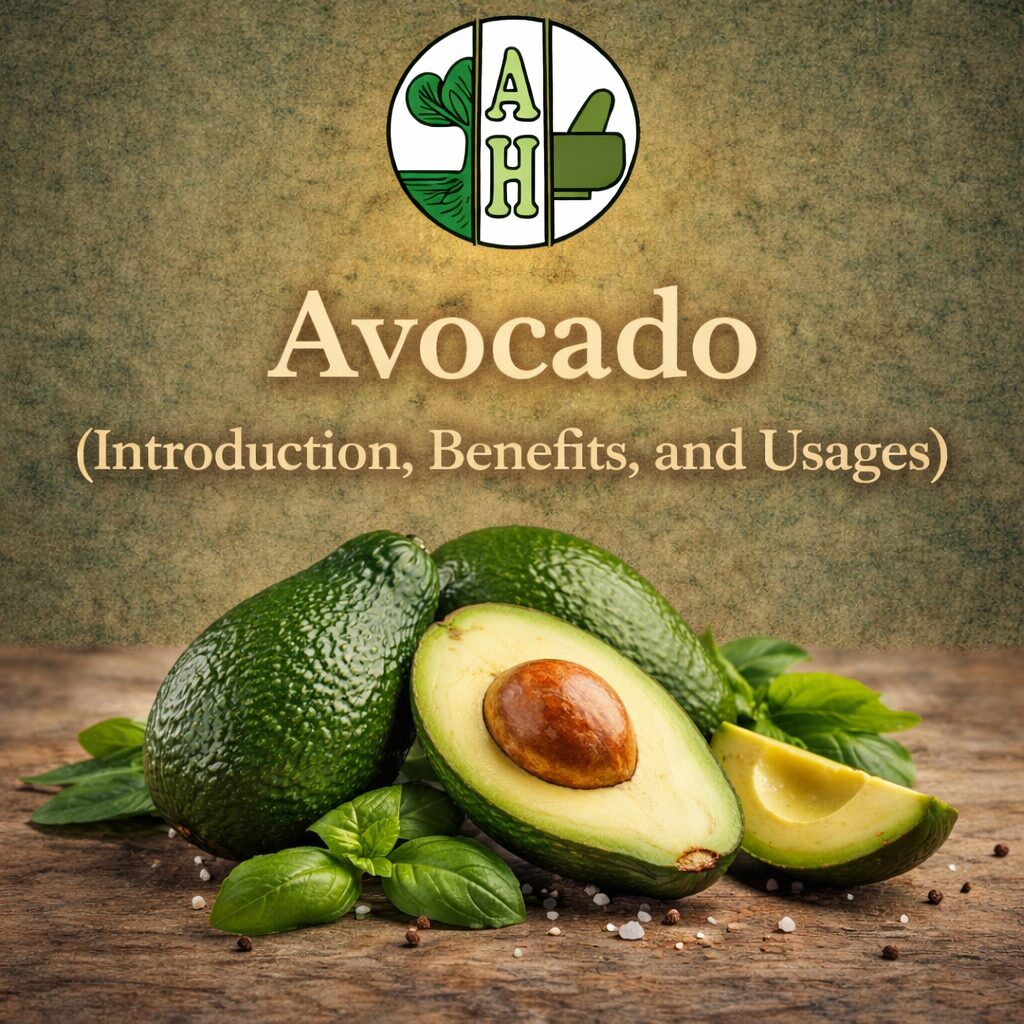
Avocado (Introduction, Benefits, and Usages)
There’s something almost meditative about slicing open an avocado — that moment when you split it and reveal a buttery green heart, so soft it almost feels like a secret waiting to be discovered. For many of us in India and around the world today, the avocado isn’t just food; it’s a symbol of mindful eating, plant-centered nourishment, and culinary curiosity. It invites us to slow down, to appreciate its rich texture, and to honor the remarkable bounty of nature. In a culture steeped in thousands of years of herbal wisdom, this soulful fruit has found a new but meaningful place alongside ancient Ayurvedic herbs, admired for its nourishment, depth of flavor, and wellness potential.
While Ayurveda didn’t grow up with avocados growing in the groves of Kerala or the orchards of Uttar Pradesh, the philosophy of whole-food nutrition and balance embraces its qualities with open arms. In our modern world, where stress, inflammation, and chronic lifestyle imbalance are increasingly common, this emerald-hued fruit offers not only pleasure for the palate but also a bridge between time-honored wellness traditions and contemporary nutritional science. Let’s explore the avocado’s story with a warm heart and a curious mind — from its botanical roots to its Ayurvedic relevance, and from its scientifically-backed benefits to ways you can lovingly include it in your daily life.
What Is Avocado?
Avocado — botanically known as Persea americana — belongs to the Lauraceae family, making it a distant cousin to cinnamon and camphor trees. The fruit grows on evergreen trees that can reach heights of 20–30 feet, producing pear-shaped to round fruits with a smooth, leathery green skin and rich, creamy flesh. Native to the highlands of south-central Mexico and parts of Central America, avocados are now cultivated in tropical and subtropical zones worldwide, thriving in regions from California to South Africa to parts of India.
In English, it’s commonly called avocado, avocado pear, or alligator pear (a nod to the bumpy skin of some varieties). In Indian regional languages, it’s still largely referred to by adaptations of its English name — avocado — though in some places you might hear playful descriptions like makhan phal (butter fruit) for its velvety texture. Sanskrit texts did not record this New World fruit, but its inviting nature has certainly earned it a place in modern ayurvedic kitchens and wellness gardens.
Avocado in History and Culture
Avocados have enthralled humanity for thousands of years. Ancient Mesoamerican civilizations like the Aztecs and Maya treasured they fruit for its rich, nourishing quality — often associating it with fertility and vitality. Early European explorers described indigenous markets filled with avocados so beloved that entire communities revered them as essential food.
Though the classical Ayurvedic texts such as Charaka Samhita and Sushruta Samhita don’t mention avocado due to its pre-Columbian New World origins, the spirit of its nourishment resonates deeply with Ayurvedic principles of ahara (diet) and ojas (vital essence). In contemporary wellness culture across India and globally, avocado has steadily shifted from an exotic curiosity to a celebrated symbol of healthy fats, satiation, and anti-inflammatory nourishment — a true ambassador of integrative wisdom and culinary delight.
Ayurvedic Properties
In Ayurvedic terms, avocado’s rasa (taste) is predominantly madhura (sweet), with light traces of guru (heavy) and snigdha (unctuous) qualities. Its virya (potency) can be considered cooling (sheeta), and its vipaka (post-digestive effect) trends toward sweet. These inherent tendencies mean avocado can gently pacify pitta and vata doshas while nurturing kapha with its grounding, hydrating, and nurturing energy. Its key karma (actions) include vranaropana (healing), balya (strengthening), and snigdha (lubricating) effects, making it supportive of tissue nourishment and overall vitality.
Active Compounds and Modern Research
Avocados are much more than just a creamy fruit — they’re a rich repository of phytochemicals, monounsaturated fatty acids (especially oleic acid), dietary fiber, lutein, and various antioxidants that support cellular health. Modern research has explored these bioactive compounds extensively, including their antioxidant and neuroprotective potential, driven by phenolic acids, flavonoids, and nutrients found even in the peel and seed residues of the fruit. Comprehensive scientific reviews show that the unique blend of lipids, fiber, and micronutrients in avocado contribute to cardiovascular wellness, metabolic balance, and healthy digestion in human clinical studies.
Benefits of Avocado
Heart Health and Healthy Cholesterol Balance
Avocados are rich in heart-loving monounsaturated fats, particularly oleic acid, which helps maintain balanced lipid profiles by reducing LDL (bad cholesterol) and supporting HDL (good cholesterol). These healthy fats, when replacing saturated or refined fats in the diet, help maintain vascular flexibility and improve coronary circulation. Clinical evidence supports that regular consumption as part of a balanced diet — such as a Mediterranean-style eating plan — is linked with better endothelial function and improved heart health markers.
Weight Management and Satiety Support
Despite being calorie-rich, avocado’s blend of healthy fats and viscous dietary fiber contributes to prolonged satiety, helping reduce overeating and snacking between meals. Fiber slows digestion and maintains steady blood sugar levels, while fats provide a sense of fullness that many find helpful for weight-conscious meal planning. This gentle balance supports mindful eating habits rather than harsh restrictions, aligning beautifully with Ayurvedic focus on moderation and digestive comfort.
Digestive Harmony and Gut Microbiome Support
It offer both soluble and insoluble fiber — nutrients that act as prebiotics to nurture beneficial gut bacteria and promote smooth, steady digestive function. By maintaining a healthy microbiome, avocado supports not just digestion, but whole-body wellness, influencing nutrient absorption, immune balance, and even mood through the gut-brain axis.
Antioxidant Protection and Anti-inflammatory Effects
Lutein, zeaxanthin, and other antioxidant phytochemicals in it protect cells from oxidative stress and inflammation — two root contributors to chronic disease. These compounds neutralize free radicals and support cellular integrity, which in turn supports radiant skin, healthy aging, and systemic resilience.
Cognitive Function and Nervous System Nourishment
The brain thrives on healthy fats, and it’s monounsaturated fatty acids assist in maintaining neuronal membrane health, synaptic communication, and nutrient delivery to brain tissue. Lutein and related phytonutrients additionally support cognitive clarity and eye health, anchoring avocado as not just a nourishing food, but a heart-and-mind ally.
Blood Sugar Balance and Metabolic Support
The fiber and healthy fat synergy in it slow the rate of glucose absorption into the bloodstream, helping stabilize post-meal blood sugar levels — a benefit welcomed by individuals managing insulin sensitivity or metabolic health. Research highlights associations between avocado-related biomarkers and lower fasting glucose over long-term observational studies, pointing toward beneficial impacts on glycemia.
Skin & Hair Nourishment from Within
It’s blend of vitamin E, carotenoids, and other nutrients support skin elasticity, hydration, and natural glow when consumed regularly. The same fats that support cardiovascular wellness also play a role in lipid-rich environments like skin and hair cells, contributing to resilience against dryness, irritation, and environmental stress.
Joint Comfort and Cellular Repair
While traditional Ayurvedic texts don’t record avocado specifically, its nourishing qualities align with Ayurvedic strategies for supporting snayu (connective tissue) and sandhi (joint) comfort. Modern antioxidants and healthy fats may complement this effect by moderating inflammatory pathways at the cellular level.
Classical Ayurvedic Formulations
Because it is a relatively recent introduction to Ayurvedic practice, it isn’t typically part of the classical formulations listed in ancient pharmacopeias like Charaka Samhita or Bhavaprakasha Nighantu. Instead, its usage tends toward contemporary formulations and dietary applications rather than standalone classical aushadhi (medicines). However, principles from traditional formulations like Drakshasava (grape tonic) or Chyawanprash — which emphasize nutrient-dense, rejuvenative nourishment — can inspire how avocado is integrated into wellness routines.
How to Use Avocado
Fresh Fruit & Salads
Enjoy ½ to 1 whole avocado daily as part of your meals — sliced into salads, blended into smoothies, or mashed into savory spreads like guacamole. Pair with lemon, black pepper, and a pinch of rock salt to enhance digestibility and flavor while balancing its sheeta (cooling) nature.
Avocado Churna (Powder)
Lightly dehydrate thin slices of avocado flesh at low temperature, then grind into a fine powder. A typical dose is ¼–½ teaspoon mixed with warm water or ushna jala (warm water) after meals to support digestion and nourishment.
Avocado Oil for Dietary Use
Use cold-pressed avocado oil for light sautéing or as a finishing oil over cooked dishes. A teaspoon daily drizzled on cooked vegetables or rice helps transport fat-soluble nutrients and enhances taste.
Topical Avocado Oil or Paste
Warm a teaspoon of avocado oil and apply it to dry skin areas or scalp for 10–15 minutes before washing it off. The unctuous (snigdha) and cooling qualities soothe dryness and support dermal nourishment.
Steamed Infusions
Add slices of avocado into gentle steam inhalations with a few drops of eucalyptus or mint oil to soothe respiratory passages and open nasal pathways — especially helpful during seasonal vata imbalances.
Dosage and Safety
For most adults, ½ to 1 medium avocado per day is a wholesome amount, integrated with meals to support balance and digestion. Because of its cooling, heavy, and moist qualities, those with predominant kapha imbalance or weak digestion (manda agni) might begin with smaller portions and pair avocado with warming spices like black pepper or ginger. People with latex-fruit syndrome or known avocado allergies should avoid it. Additionally, consult your Ayurvedic practitioner if you are on blood thinners or managing kidney issues, as the high potassium content can interact with certain medications or conditions.
Shop Section
If you are looking to bring the healing power of it into your daily wellness routine, Ayurvedaholic is your trusted destination for authentic Ayurvedic products. The platform carries a wide range of products from India’s most reputable Ayurvedic brands including Patanjali, Dabur, Baidyanath, and Kottakkal.
👉 Shop All Ayurvedic Products — Ayurvedaholic
Enjoy the journey of nourishing your body and soul with nature’s butter fruit — rich in wisdom, texture, and joy.
References
- Avocado (Persea americana) — Wikipedia — View on Wikipedia
- Bhuyan DJ et al. — “The Odyssey of Bioactive Compounds in Avocado (Persea americana) and Their Health Benefits.” Antioxidants, 2019 — View on PubMed
- da Silva GG et al. — “Phytochemicals of Avocado Residues as Potential Acetylcholinesterase Inhibitors, Antioxidants, and Neuroprotective Agents.” Molecules, 2022 — View on PubMed
- Nwaocha VO et al. — “The Phytochemical and Pharmacological Profile of Persea americana Mill.” PMC / Journal of Medicinal Plants Research, 2011 — View on PMC

Add comment