
Ber: Introduction, Benefits, and Usages
In the sun-baked landscapes of South Asia, the Middle East, and sub-Saharan Africa, a small, unassuming fruit grows on thorny shrubs and trees with a quiet resilience that belies its extraordinary nutritional and cultural significance. Known as ber in India and Pakistan, and called jujube across much of the rest of the world, this ancient fruit has nourished civilizations for thousands of years — yet remains largely unknown to the Western world, even as modern science begins to confirm what traditional healers have long understood about its remarkable properties.
It belongs to the species Ziziphus mauritiana, a member of the Rhamnaceae (buckthorn) family. It is closely related to the Chinese jujube (Ziziphus jujuba), which has its own long history of medicinal use in East Asia, but Ziziphus mauritiana is the dominant species across the Indian subcontinent, Southeast Asia, tropical Africa, and the arid regions of the Middle East and Australia. The tree is extraordinarily hardy — tolerating drought, poor soils, waterlogging, salinity, and extreme heat with equal ease — making it one of the most ecologically resilient fruit trees known to agriculture.
The history of ber stretches back more than 4,000 years. In ancient India, it is mentioned in the Ramayana and the Mahabharata — two of the oldest literary epics in human history — and features prominently in Ayurvedic texts as a medicinal plant of considerable importance. In Hindu mythology, it holds sacred significance: the tree is associated with the goddess Shitala and is traditionally offered during religious rites. Archaeological evidence from sites in Rajasthan and the Indus Valley suggests that it was among the earliest cultivated fruits on the subcontinent.
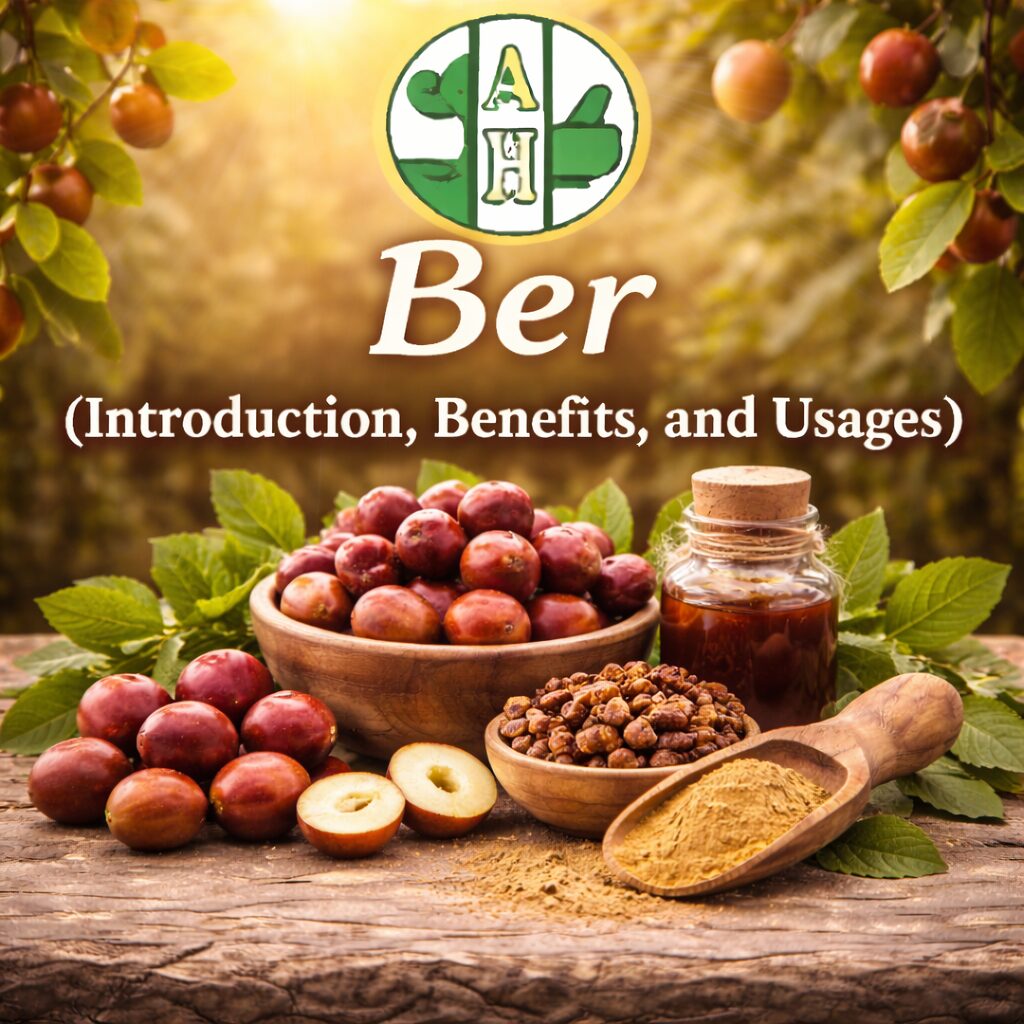
The fruit itself is small — typically between the size of a cherry and a small plum — and varies in shape from round to oval depending on the variety. When unripe, it is green and crisp, with a flavour reminiscent of an apple. As it ripens, it turns yellow, then reddish-brown, and develops a sweeter, date-like taste. Fully dried ber resembles a wrinkled date and has been used as a preserved food source in arid regions for centuries. India is the world’s largest producer of ber, accounting for roughly 90% of global production, with Rajasthan, Uttar Pradesh, Gujarat, and Maharashtra being the leading growing states.
Ber Benefits
Despite its modest size and limited global profile, it is a nutritional powerhouse that compares favourably with many more celebrated fruits. A 100g serving of fresh ber provides approximately 79 calories, 20 grams of carbohydrates, 1.8 grams of fiber, 1.2 grams of protein, and notably high levels of vitamin C, vitamin A, potassium, iron, phosphorus, calcium, and various B vitamins.
Vitamin C content is one of ber’s most outstanding nutritional attributes. Fresh ber contains between 70 and 90 mg of vitamin C per 100g — comparable to oranges and significantly higher than most temperate fruits. Vitamin C is essential for immune function, collagen synthesis, iron absorption, and antioxidant defence. In regions of South Asia and Africa where citrus fruits may be less accessible or affordable, ber serves as a critical dietary source of this essential vitamin, particularly for rural and low-income populations.
Antioxidant activity is another well-documented strength of ber. The fruit is rich in polyphenols — including flavonoids, tannins, and saponins — as well as triterpenoids and alkaloids unique to the Ziziphus genus. These compounds have demonstrated potent free radical scavenging activity in laboratory studies. Research published in peer-reviewed journals has shown that ber extracts can significantly reduce oxidative stress markers, suppress lipid peroxidation, and protect cells from DNA damage — all processes linked to ageing and the development of chronic diseases including cancer and cardiovascular disease.
Liver protection is one of the most celebrated traditional uses, and one that has attracted growing scientific interest. Multiple animal studies and some early human research have indicated that compounds in it — particularly saponins and polyphenols — exert hepatoprotective effects, shielding liver cells from toxic damage, reducing liver enzyme levels associated with inflammation, and supporting the regeneration of liver tissue. Ayurvedic practitioners have prescribed ber-based formulations for liver disorders for centuries, and modern pharmacological research is increasingly lending credibility to this application.
Immunity and respiratory health are traditional domains of ber medicine as well. In Ayurveda and Unani systems of medicine, ber fruit, bark, leaves, and seeds are all used — often in combination — to treat coughs, colds, bronchitis, and fevers. The fruit’s high vitamin C and zinc content support immune function, while its anti-inflammatory compounds may help reduce the severity of respiratory infections. During winter months across northern India, fresh ber is widely consumed as a seasonal immune-boosting food.
Digestive health benefits are meaningful too. The fiber in ber supports regular bowel movements and feeds beneficial gut bacteria. In traditional medicine, ber is used as a mild laxative for constipation and as a digestive tonic more broadly. The tannins in the fruit also have astringent properties that can help manage diarrhoea and intestinal inflammation — making ber useful across the full spectrum of common digestive complaints.
Sleep and anxiety relief represent a particularly intriguing area of ber’s medicinal profile. The seeds of Ziziphus species — used in both Ayurvedic and Traditional Chinese Medicine — contain saponins and flavonoids that have demonstrated sedative and anxiolytic (anxiety-reducing) effects in preclinical studies. Jujubosides, a class of saponins found in ber seeds, appear to modulate neurotransmitter activity in ways that promote relaxation and improve sleep quality. This has made ber seed extracts a growing ingredient in natural sleep supplement formulations worldwide.
Ber Usages
It is used across an exceptionally wide range of culinary, medicinal, and practical domains, particularly across South Asia and Africa.
In its fresh form, It is eaten out of hand as a seasonal snack — particularly beloved by children across India, where it is sold by street vendors during the winter and spring harvest season. Its crisp, apple-like texture and mildly sweet-sour flavour make it highly refreshing. As it ripens to a softer, sweeter state, it is eaten fresh or sun-dried for preservation. Dried it is used extensively in Indian and Middle Eastern sweets, chutneys, pickles, and spice blends — the sour dried form, known as ber ka achar (ber pickle), is a popular condiment across Rajasthan and Uttar Pradesh.
In traditional medicine, virtually every part of the ber plant is used medicinally. The fruit is taken for coughs, fevers, and digestive complaints. The bark is used in decoctions for skin diseases and wound healing. The leaves are applied topically for inflammatory skin conditions. The seeds are processed into formulations for insomnia and anxiety. Ber-based Ayurvedic preparations — including Ziziphus seed powder and standardized extracts — are commercially available across India as over-the-counter health supplements.
It is also a significant fodder and agroforestry crop. Its leaves are high in protein and are used to feed livestock — particularly goats and cattle — in semi-arid farming systems. The tree’s thorny branches serve as natural fencing in rural areas, and its wood is used for fuel, charcoal, and small carpentry items. In dryland and degraded land reclamation projects across Rajasthan, the ber tree is frequently planted as a pioneer species due to its extraordinary drought tolerance and ability to improve soil through nitrogen fixation via associated root microbiota.
Emerging research is exploring ber-derived compounds — particularly its unique saponins and triterpenoids — for pharmaceutical applications including anti-cancer agents, hepatoprotective drugs, and natural preservatives in the food industry. As interest in indigenous and underutilised crops grows globally, it is increasingly recognized not only as a food security crop of immense practical value, but as a source of bioactive compounds with genuine pharmaceutical potential.
Disclaimer
The information in this article is for educational purposes only and does not constitute medical advice, diagnosis, or treatment. Always consult a qualified Ayurvedic practitioner or healthcare professional before using any herb or formulation, especially if you are pregnant, breastfeeding, or on medication. Individual results may vary. Ayurvedaholic does not claim to diagnose, treat, cure, or prevent any disease.
References:
- Wikipedia – Ziziphus mauritiana: https://en.wikipedia.org/wiki/Ziziphus_mauritiana
Shop Products: Ayurveda Holic

Add comment