
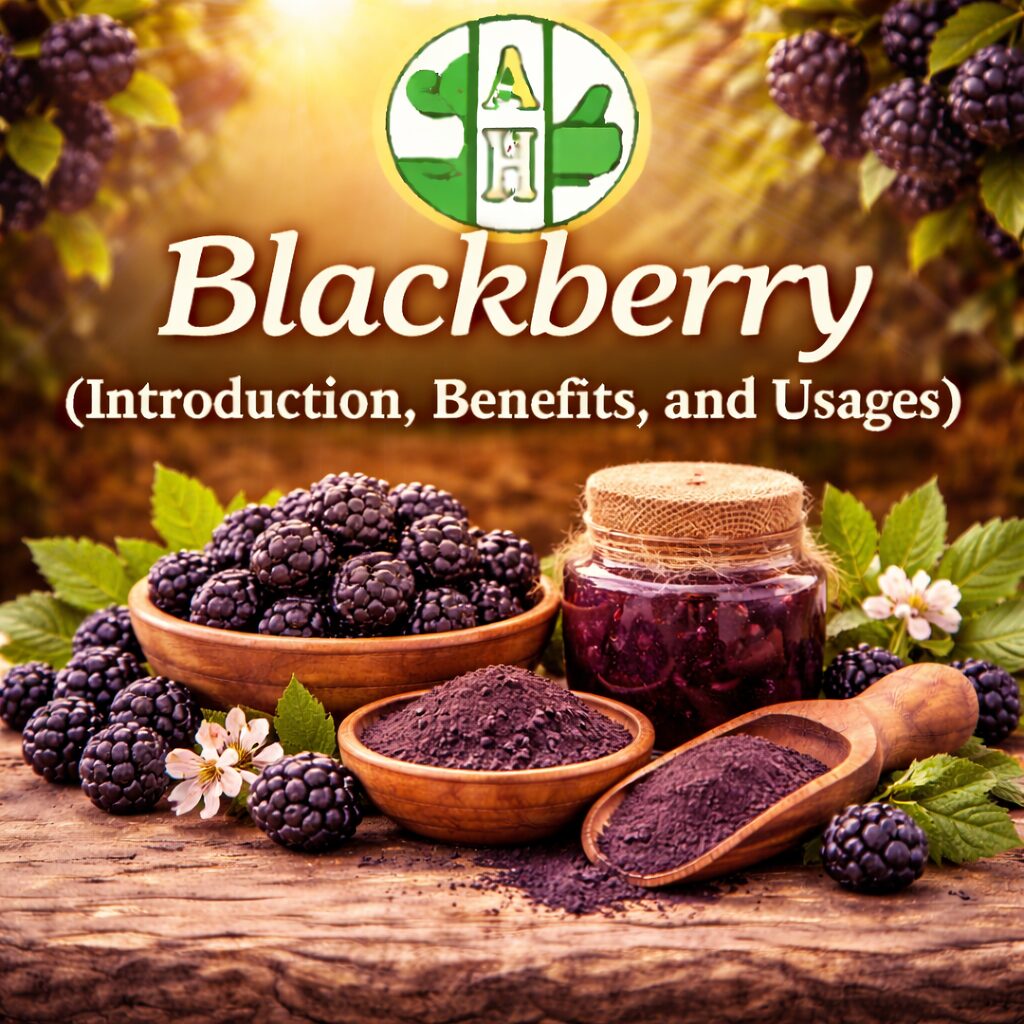
Blackberry (Introduction, Benefits, and Usages)
Imagine walking through a vibrant forest, where the air is thick with the scent of fresh earth and wild flora. As you push through the bushes, you spot clusters of deep purple-black fruits hanging delicately from thorny branches, their glossy surface almost inviting you to taste them. This fruit, with its sweet and slightly tart flavor, is the humble blackberry, a gift from nature that has been cherished for centuries. But did you know that this tiny berry, often found in wild forests, carries much more than just flavor? It is a powerhouse of nutrients and has been used for centuries in traditional medicine, especially within the holistic world of Ayurveda.
Today, in a world that is constantly on the lookout for natural healing solutions, it offers us a bridge to the past—a remedy that connects us with the wisdom of our ancestors. While modern science continues to uncover its many health benefits, Ayurvedic texts have long praised its medicinal properties. Let’s dive deep into the world of this magical berry and explore its healing qualities, historical significance, and modern-day uses.
What Is Blackberry?
It, known botanically as Rubus fruticosus, belongs to the Rosaceae family. This perennial shrub thrives in temperate regions, often found in the wild along roadsides, fields, and woodlands. Its dark, juicy berries are not only a treat to the palate but also a repository of health benefits. The plant is easily recognizable by its thorny stems, serrated leaves, and clusters of small, black-purple berries that ripen in late summer to early fall.
Native to Europe, blackberry plants have spread to parts of North America, Australia, and, of course, India. In India, they grow in the hilly and semi-arid regions, particularly in the northern and eastern states. The herb is known by many names across different cultures. In Hindi, it is called “Kantakari,” and in Sanskrit, it is referred to as “Ruksha,” which translates to “dry” or “rough,” likely describing its thorny nature. The regional names vary widely, but they all share a common reverence for the herb’s healing properties.
Blackberry in History and Culture
It’s significance extends far beyond its culinary appeal. In Ayurveda, the berry has been used for centuries for its various therapeutic qualities. Ancient texts like the Charaka Samhita and Sushruta Samhita mention berries such as these for their cooling properties, their ability to balance the doshas, and their usefulness in treating various ailments. The medicinal uses of blackberry in these texts are highly regarded and have paved the way for modern health enthusiasts to rediscover its value.
In various cultures, It has also been considered a symbol of strength and protection, perhaps owing to its tough, thorn-covered stems and its ability to thrive in harsh conditions. Historically, blackberry leaves and roots were used for a range of purposes, from making teas to treating sore throats, digestive issues, and inflammation. Even today, the plant’s rich history continues to influence modern herbal practices, where it is often found in both traditional and contemporary remedies.
Ayurvedic Properties
Blackberry, in Ayurvedic terms, is considered a beneficial herb for balancing the three doshas—Vata, Pitta, and Kapha. The berry’s rasa (taste) is predominantly sweet and slightly astringent, which is why it helps to calm the fiery Pitta dosha and pacify Vata. Its guna (qualities) are light and dry, making it useful for balancing excess moisture in the body. The virya (potency) of blackberry is cooling, which explains why it is often used to relieve conditions like inflammation and fever. In terms of vipaka (post-digestive effect), blackberry is sweet, further reinforcing its role in nourishing and calming the body.
The key Ayurvedic karma (action) of blackberry is to promote digestive health, balance blood sugar levels, and enhance immune function. These attributes are often attributed to its sweet and slightly astringent qualities, making it an excellent herb for anyone seeking natural ways to support their overall wellness.
Active Compounds and Modern Research
In recent years, modern research has begun to validate many of the traditional uses of blackberry. The berry is packed with bioactive compounds like anthocyanins, flavonoids, and tannins, which are responsible for its powerful antioxidant and anti-inflammatory effects. These compounds play a crucial role in reducing oxidative stress, fighting free radicals, and supporting cardiovascular health. Anthocyanins, in particular, have been studied for their ability to enhance cognitive function and prevent age-related decline.
Recent studies also highlight the berry’s ability to support the immune system, reduce inflammation, and regulate blood sugar levels. The high vitamin C content further boosts its potential in fighting infections, promoting skin health, and supporting the body’s ability to repair tissues.
Benefits of Blackberry
1. Supports Digestive Health
Blackberry is a wonderful aid for the digestive system. Its rich fiber content promotes healthy bowel movements, preventing constipation and encouraging regularity. In Ayurveda, this is essential for maintaining Agni (digestive fire), ensuring the body absorbs nutrients efficiently while eliminating toxins.
2. Balances Blood Sugar Levels
Blackberry has been shown to support healthy blood sugar levels. The herb contains compounds that help regulate glucose metabolism, making it a valuable addition to the diet for individuals seeking to manage their blood sugar. This benefit aligns with Ayurvedic wisdom, where the sweet taste of blackberry is thought to nourish the body while stabilizing energy levels.
3. Anti-inflammatory Properties
Blackberry’s high antioxidant content, including flavonoids and tannins, makes it an excellent anti-inflammatory agent. By reducing chronic inflammation, it helps alleviate conditions like arthritis, skin irritation, and internal swelling, making it a potent herb for those suffering from inflammatory disorders.
4. Promotes Skin Health
In Ayurvedic medicine, blackberry is frequently used to support the skin, both internally and externally. The antioxidants in the fruit help to reduce the appearance of fine lines and wrinkles, while its cooling properties soothe skin conditions like acne or rashes. The herb’s high vitamin C content further aids in collagen production, ensuring the skin remains youthful and vibrant.
5. Boosts Immunity
The berry’s strong antioxidant properties, combined with its vitamin C content, help fortify the immune system. By enhancing the body’s natural defense mechanisms, blackberry aids in preventing infections and promoting overall health. This is especially important during seasonal changes when the immune system is most vulnerable.
6. Supports Heart Health
Blackberry has long been used in Ayurveda to promote heart health. The fruit’s anthocyanins help strengthen blood vessels, regulate cholesterol levels, and improve circulation. These benefits, combined with the herb’s ability to reduce oxidative stress, make it an excellent choice for anyone looking to maintain cardiovascular health.
7. Helps in Weight Management
Due to its high fiber content and low calorie count, blackberry is a great addition to any weight management plan. The fiber helps to control hunger pangs, promoting satiety and reducing the tendency to overeat. Moreover, the cooling nature of the fruit helps balance the metabolism and promote healthy fat-burning processes.
8. Improves Cognitive Function
Blackberry’s rich content of anthocyanins has been linked to improved cognitive function. These powerful antioxidants help protect brain cells from oxidative damage, thereby supporting memory, focus, and overall mental clarity. This makes blackberry a valuable herb for anyone looking to enhance their mental well-being.
Classical Ayurvedic Formulations
In Ayurveda, blackberry has been incorporated into several classical preparations. One such formula is the Triphala Churna, which combines the fruit with other powerful herbs like Amalaki (Indian gooseberry) and Haritaki. This combination is revered for its ability to detoxify the body, support digestion, and balance all three doshas. Another well-known preparation is Dashamoola Kwath, a herbal decoction used to treat respiratory issues and support overall vitality, with blackberry serving as a key ingredient for its cooling effects.
How to Use Blackberry
There are several ways to incorporate it into your daily routine. Here are some popular methods:
- Blackberry Juice – Fresh blackberry juice can be consumed to boost immunity and digestion. It can be taken with honey or warm water for added benefits.
- Blackberry Powder (Churna) – Dried blackberry powder is often used in Ayurvedic churna formulations to support digestive health and detoxification. A teaspoon of blackberry powder can be taken with warm water or milk.
- Blackberry Paste – For skin issues, a paste of blackberry leaves or fruit can be applied directly to the skin to reduce inflammation and promote healing.
- Blackberry Tea – A soothing tea made from blackberry leaves or dried berries helps calm the body, support digestion, and reduce inflammation.
- Blackberry Oil – Infused oils made from blackberry leaves or fruit are great for soothing irritated skin and reducing pain from inflammation.
Dosage and Safety
It is generally considered safe when consumed in moderation. The standard dosage for it powder is about 1–2 grams per day, either with warm water or in a tea. Fresh blackberry juice can be consumed 2–3 times a day, depending on individual needs. However, it’s important to note that individuals with allergies to berries or those on medication for blood sugar regulation should consult with an Ayurvedic practitioner before regular use.
Always consult a qualified Ayurvedic practitioner before beginning regular use.
Shop Section
If you are looking to bring the healing power of it into your daily wellness routine, Ayurvedaholic is your trusted destination for authentic Ayurvedic products from India’s most reputable brands including Patanjali, Dabur, Baidyanath, and Kottakkal.
Shop Now: Ayurvedaholic
Closing Paragraph
As we return to the roots of natural healing, the humble it reminds us of the deep connection between nature and wellness. Whether you’re seeking to boost your immunity, manage your weight, or care for your skin, this potent herb offers a wealth of benefits. Let the blackberry be a part of your health journey, nourishing you from within and connecting you to a tradition that spans centuries.
References
- Charaka Samhita, Sutra Sthana, Chapter 26
- Bhavaprakasha Nighantu, Haritakyadi Varga
- Rubus fruticosus (Blackberry) — Wikipedia — View on Wikipedia
- Bhaishajya Ratnavali, Volume 2, Vatavyadhi Chikitsa — View on Internet Archive
- Călinoiu LF. & Vodnar DC. — “Whole Grains and Phenolic Acids: A Review on Bioactivity, Functionality, Health Benefits and Bioavailability.” Nutrients, 2018 — View on PubMed
- Skrovankova S. et al. — “Bioactive Compounds and Antioxidant Activity in Different Types of Berries.” Int J Mol Sci, 2015 — View on PubMed
Disclaimer
The information in this article is for educational purposes only and does not constitute medical advice, diagnosis, or treatment. Always consult a qualified Ayurvedic practitioner or healthcare professional before using any herb or formulation, especially if you are pregnant, breastfeeding, or on medication. Individual results may vary. Ayurvedaholic does not claim to diagnose, treat, cure, or prevent any disease.

Add comment