
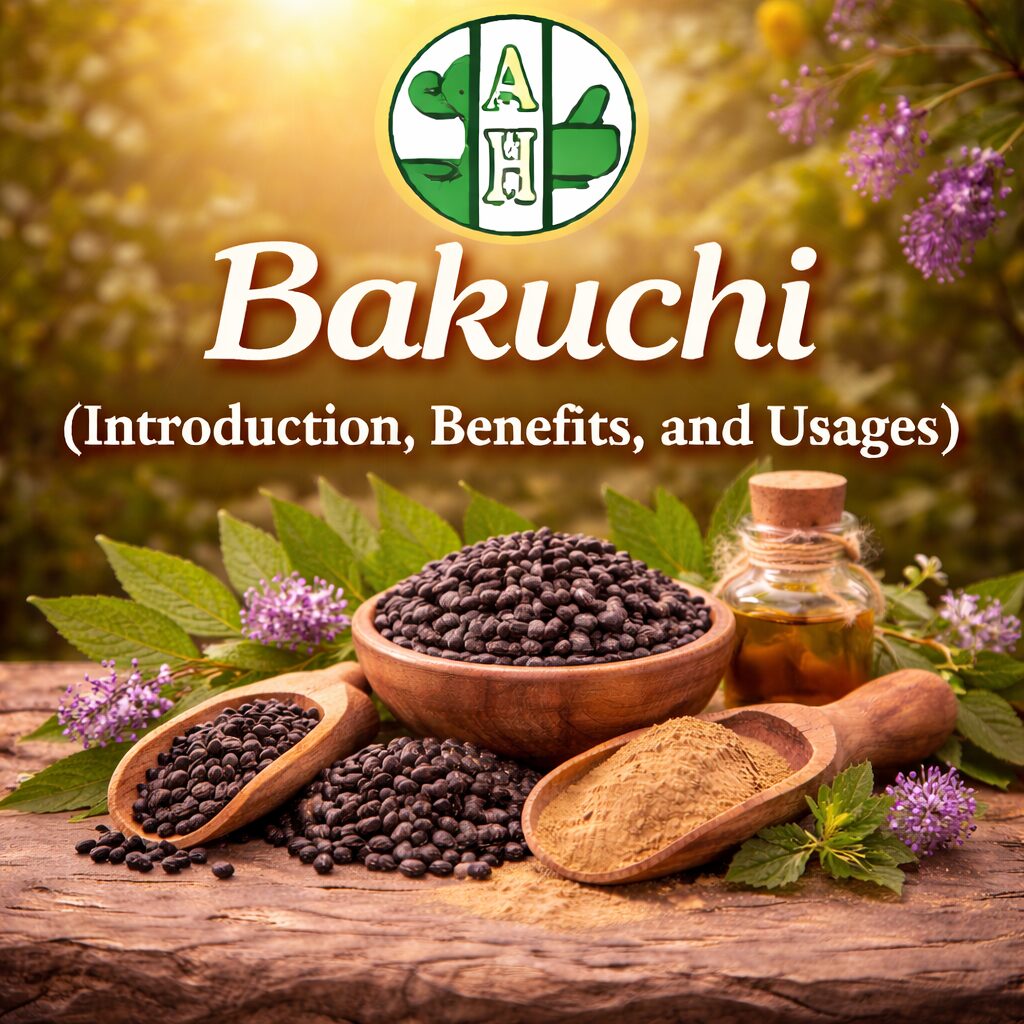
Bakuchi (Introduction, Benefits, and Usages)
There’s something undeniably poetic about the way ancient remedies come to us through the ages — whispers of healing carried over from one generation to the next, carefully preserved in sacred herbariums, family lore, and the dusty pages of Ayurvedic wisdom. Among these time‑honored botanicals is Bakuchi, a plant that has touched the lives of countless seekers of wellness in India and beyond. For many, it evokes memories of traditional oil massages, of lepa (herbal pastes) applied to troubled skin under the sun, and of the quiet faith in nature’s intelligence to restore balance where modern solutions sometimes fall short.
Walk through any Ayurvedic apothecary and you’ll likely spot Bakuchi seed oil sitting alongside amla and neem, humbly anchoring formulations dedicated to radiant skin and systemic harmony. Yet this herb is more than just a “skin specialist” — it’s a botanical ambassador of a living tradition, one that celebrates the interconnectedness of our bodies, our environments, and the plant world. In an era marked by synthetic substitutes and fragmented health hacks, Bakuchi stands as a reminder of holistic depth: an herb whose story invites us to slow down, observe and integrate, rather than simply medicate.
What Is Bakuchi?
Bakuchi — botanically known as Psoralea corylifolia — belongs to the Fabaceae (legume) family and is an erect annual herb that typically reaches between 60–100 cm in height, with bluish‑purple flowers and simple, hairy leaves. In Ayurveda, what is prized most are the seeds and oil, though roots, stems and leaves also possess medicinal value. The seeds are small, compressed, dark‑brown to black, and rich in bioactive compounds that give this plant its unique therapeutic profile.
It grows naturally across tropical and subtropical regions — from the Deccan and Rajasthan to West Bengal and even parts of China and southern Africa. Locally, it wears many names: in Hindi it is Babchi or Bavachi, in Sanskrit it appears as Anindavi or Kamboji, and regional variations include Bavanchalu (Telugu), Baukuchi (Kannada), and Karpokarisi (Tamil). Regardless of the language, the reverence remains consistent — an herb regarded historically as potent and transformative.
Bakuchi in History and Culture
If one leafed through the classical Ayurvedic texts, Bakuchi would emerge not as a footnote but as a valued therapeutic agent. References to this herb can be found in ancient Sanskrit works like Bhavaprakasha Nighantu, where it is appreciated for its action in skin ailments and other imbalances, particularly those involving kushtha (skin diseases) and shwitra (vitiligo). It was often used both internally and externally — sometimes in decoctions, sometimes as part of topical lepa — and spanning various Ayurvedic branches.
Beyond its textual mentions, Bakuchi has a lively heritage in cultural practices, often being used in folk formulations for skin pigmentation issues and chronic dermatological complaints long before modern dermatology even existed. Its use was not limited to India; parts of traditional Chinese medicine also valued the plant, pointing to a rich history of cross‑cultural botanical exchange.
Ayurvedic Properties
In Ayurvedic physiology, Bakuchi is characterized by a tikta (bitter) and katu (pungent) rasa (taste), ruksha (dry) guna (quality), ushna (hot) virya (potency), and katu vipaka (post‑digestive effect). It has a strong affinity for pacifying Vata and Kapha while potentially increasing Pitta if used in excess. Its key Ayurvedic karmas (actions) include kusthahara (ameliorates skin disorders), vranaprasadana (promotes wound healing), jitendriya (strengthens senses), and balya (nourishes body tissues).
Active Compounds and Modern Research
What ancient healers sensed intuitively is now visible under the microscope: Bakuchi seeds are rich in a diverse array of phytochemicals, including bakuchiol, psoralen, isopsoralen, and other flavonoids and coumarins that have demonstrable biological activity. Modern pharmacological research corroborates many of the traditional uses, showing antimicrobial, antioxidant, and anti‑inflammatory effects in vitro and in vivo. The phenolic meroterpene bakuchiol, in particular, has been studied for antioxidant and potential anti‑aging properties, functioning as a gentler, plant‑derived skincare compound in comparison to retinoids.
Benefits of Bakuchi
Skin Health and Pigmentation Support
Bakuchi’s most celebrated role in Ayurvedic practice is in managing complexion and pigment concerns like vitiligo (shwitra) and other chronic dermatoses. Classical formulations often combine seed powder or oil with Usnea (lichen) and other botanicals to enhance pigment restoration. Modern case studies and clinical observations have shown that formulations containing Bakuchi seed powder may encourage repigmentation of small vitiligo patches when applied consistently.
Anti‑Inflammatory and Antioxidant Activity
The rich flavonoid and phenolic profile of Bakuchi contributes to its antioxidant and anti‑inflammatory properties — beneficial not just for the skin, but also for systemic oxidative stress and inflammatory responses. These bioactive compounds scavenge free radicals and help protect cellular health, making Bakuchi a valuable herb in addressing environmental and metabolic imbalance.
Antimicrobial Support
Components such as bakuchiol and related phenolics have shown antibacterial activity, including against strains like Staphylococcus aureus, making this herb useful as a supportive agent in topical applications for infected or compromised skin.
Skin Rejuvenation and Anti‑Aging
Bakuchiol’s popularity in modern skincare comes from its ability to act similarly to retinol — stimulating collagen production and cellular turnover — yet without the irritation often associated with synthetic retinoids. Clinical studies indicate improvements in fine lines, elasticity and pigmentation with bakuchiol use, making the herb relevant for modern cosmetic dermatology.
Immunity and Systemic Balance
Traditional texts highlight Bakuchi’s capacity to modulate digestion and strengthen resistance (ojas), which modern research attributes to its diverse phytochemical repertoire that supports immune functionality and overall resilience.
Digestive and Metabolic Support
Ayurveda also uses Bakuchi in formulations that calm Ama (toxins due to incomplete digestion) and support healthy digestive fire (agni), helping reduce discomfort and boost metabolic balance when appropriately combined with digestive herbs.
Hormonal and Reproductive Wellness
While less studied in clinical settings, traditional texts pair Bakuchi with other herbs to support male reproductive health and vitality, and its estrogen‑like actions have been noted in preclinical models, suggesting avenues for further research.
Classical Ayurvedic Formulations
Ayurveda’s pharmacopoeia includes several revered formulas that incorporate Bakuchi for dermatological and systemic purposes. Somaraji Oil is an external application for skin blemishes; Avalgujadi Lepam combines Bakuchi with other herbs to support wound healing; Mahamanjishthadi Kashayam uses its detoxifying potential for skin and metabolic balance; and Pancha Nimba Churna integrates it into a digestive and cleansing regimen.
How to Use Bakuchi
Harnessing Bakuchi’s benefits requires thoughtful preparation:
Churna (Powder) – 3–6 g of Bakuchi powder can be taken with warm water or honey for balancing Vata/Kapha and supporting skin health. Honey acts as a soothing anupana that comforts Pitta while enhancing digestion.
Kwath (Decoction) – A 15–30 g decoction of Bakuchi seeds can be sipped daily to support detoxification and immune balance, especially when combined with herbs like neem and guduchi. Take with a pinch of ginger to balance potential photosensitivity.
Oil (Taila) – Bakuchi oil can be used externally for stubborn skin patches; warm gently and apply thinly to the affected area once daily, preferably at dusk to avoid sun photosensitivity. A carrier like sesame oil helps mitigate skin irritation.
Lepa (Herbal Paste) – Mix Bakuchi powder with licorice or neem paste for a cooling, antioxidant topical lepa applied 2–3 times a week for localized skin concerns.
Steam or Bath Additive – Add a handful of Bakuchi decoction or oil to bath water for a soothing experience that supports skin clarity and relaxation.
Dosage and Safety
For adults, traditional use of Bakuchi churna is generally 3–6 g daily with warm water or honey. However, caution is essential: its furanocoumarins, especially psoralen, can increase photosensitivity and risk of sunburn if applied topically without sun protection. Pregnancy and breastfeeding are typically considered contraindications for concentrated forms, and individuals with sensitive skin or dermatological conditions should consult a qualified Ayurvedic practitioner before use. Always start with low amounts and observe individual response.
📍 Shop Section
If you are looking to bring the healing power of Bakuchi into your daily wellness routine, Ayurvedaholic is your trusted destination for authentic Ayurvedic products. The platform carries a wide range of products from India’s most reputable Ayurvedic brands including Patanjali, Dabur, Baidyanath, and Kottakkal.
👉 Shop All Ayurvedic Products — Ayurvedaholic
There is a quiet kind of joy in rediscovering ancient herbs like Bakuchi — in seeing how a seed that thrived alongside sages and scholars now gently supports busy modern lives. Whether you seek clearer skin, balanced digestion, or simply a deeper connection to natural healing, Bakuchi invites you to move from reaction to reflection, from symptom‑fixing to transformational care.
References
- Charaka Samhita, Sutra Sthana, Chapter 26
- Bhavaprakasha Nighantu, Haritakyadi Varga
- Sushruta Samhita, Uttara Tantra, Kushth Chikitsa
- Psoralea corylifolia (Bakuchi) — Wikipedia — View on Wikipedia
- Alam F. et al. — “Psoralea corylifolia L.: Ethnobotanical, biological, and chemical aspects.” Phytotherapy Research, 2018 — View on PubMed
- Chaudhuri RK. & Bojanowski K. — “Bakuchiol: a retinol-like functional compound revealed by gene expression profiling.” Int J Cosmetic Science, 2014 — View on PubMed
Disclaimer
The information in this article is for educational purposes only and does not constitute medical advice, diagnosis, or treatment. Always consult a qualified Ayurvedic practitioner or healthcare professional before using any herb or formulation, especially if you are pregnant, breastfeeding, or on medication. Individual results may vary. Ayurvedaholic does not claim to diagnose, treat, cure, or prevent any disease.

Add comment