
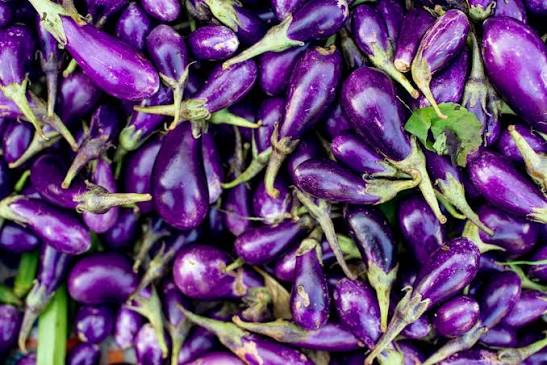
Brinjal (Introduction, Benefits, and Usages)
Brinjal benefits extend well beyond its role as a culinary staple — Solanum melongena (brinjal, aubergine, eggplant) is a medicinal plant used in Ayurveda, Traditional Chinese Medicine, and folk medicine traditions worldwide for liver health, blood sugar management, cardiovascular support, and digestive function. The deep purple varieties are rich in nasunin — an anthocyanin found almost exclusively in brinjal skin — with potent antioxidant and neuroprotective properties. See Wikipedia: Eggplant. For related Ayurvedic vegetables, explore Bitter Gourd and Drumstick.
What Is Brinjal? A Complete Introduction
Origin and History of Brinjal
Brinjal (Solanum melongena) originated in South Asia — most likely in India or Southeast Asia — and has been cultivated for over 4,000 years. Ancient Indian, Chinese, and Arab physicians used it medicinally. Arab traders spread it across North Africa and Europe, where it reached Spain and Italy by the medieval period. In Ayurveda, brinjal is called Vartaka or Brihati (different Solanum species) and is used for digestive, hepatic, and nervous system conditions. Today, India and China are the world’s largest brinjal producers, and it remains a fundamental ingredient in Indian, Mediterranean, and Middle Eastern cuisine and traditional medicine.
Key Compounds and Nutritional Profile
Brinjal’s most notable compound is nasunin — an anthocyanin found in the purple skin that is a powerful antioxidant with documented iron-chelating and neuroprotective properties. The fruit also contains chlorogenic acid (one of the most abundant antioxidant compounds in plants) with anti-diabetic, antimicrobial, and cholesterol-lowering activity. Solasonine and solamargine are steroidal alkaloids (also in the skin and seeds) with documented anticancer properties. Nutritionally, brinjal is low in calories, provides moderate fibre, folate, potassium, and B vitamins. See Wikipedia: Nasunin.
Top Health Benefits of Brinjal
Brinjal Benefits for Immunity and Overall Health
Brinjal’s cardiovascular benefits are its most documented therapeutic application. Chlorogenic acid significantly reduces LDL cholesterol oxidation (preventing atherosclerosis) and has direct hypocholesterolaemic effects — clinical studies show brinjal juice reduces serum cholesterol levels. For blood sugar management, chlorogenic acid improves insulin sensitivity and inhibits glucose-6-phosphatase (reducing hepatic glucose production) — making brinjal genuinely useful for type 2 diabetes prevention and management. The dietary fibre slows glucose absorption, further supporting blood sugar control.
Brinjal for Skin, Hair, and Beauty
Nasunin in the brinjal skin has documented iron-chelating activity — excess free iron promotes oxidative damage to skin cells and accelerates skin ageing. By chelating this excess iron, nasunin protects skin lipids and DNA from iron-catalysed oxidative damage. The chlorogenic acid and anthocyanins together provide broad antioxidant skin protection. The high water content (92% water) makes brinjal a hydrating food for skin. In folk medicine, brinjal juice has been applied to skin for burns and inflammation, though evidence for topical use is primarily traditional.
Medicinal Properties of Brinjal
How Brinjal Works as a Natural Remedy
Chlorogenic acid’s anti-diabetic mechanism involves inhibition of glucose-6-phosphatase in the liver (reducing glucose output), activation of AMPK (an enzyme that mimics the effects of exercise on metabolism), and improvement of insulin receptor sensitivity in peripheral tissues. The cholesterol-lowering mechanism involves upregulation of LDL receptor expression in the liver (increasing LDL clearance) and inhibition of cholesterol synthesis enzymes. Nasunin’s neuroprotective action centres on its unique ability to chelate iron from cell membranes and scavenge peroxyl radicals — protecting brain lipids from oxidative damage and supporting mitochondrial function in neurons.
Brinjal in Ayurveda and Traditional Medicine
In Ayurveda, Vartaka (brinjal) is pungent and bitter, heating, and primarily Vata-Kapha reducing. Classical indications include Shwasa (respiratory disorders), Kasa (cough), Prameha (diabetes), Gulma (abdominal tumours), and as a Deepana (digestive stimulant). The Sushruta Samhita uses brinjal in medicated preparations for abdominal conditions. In Traditional Chinese Medicine, brinjal is cooling and used for haemorrhoids, mastitis, and skin eruptions. In folk medicine across South Asia, brinjal root is used for toothache and the leaves for liver conditions.
How to Use Brinjal — Practical Usages
Brinjal in Food, Tea, and Cooking
For maximum medicinal benefit, eat the skin — that’s where the nasunin is. Roasting or grilling brinjal with skin intact preserves the most anthocyanins. Avoid deep-frying — brinjal absorbs oil like a sponge, transforming a low-calorie vegetable into a high-calorie one. Preferred cooking methods: roasting, grilling, steaming, or adding to curries and stews. Traditional Ayurvedic preparations include brinjal cooked with appropriate spices (turmeric, cumin, coriander) that enhance its medicinal properties and digestibility — raw brinjal contains solanine which reduces with cooking.
Brinjal as a Supplement or Topical Application
Brinjal juice (150–200 ml daily) is used in some clinical studies for cholesterol reduction — the raw juice concentrates chlorogenic acid and anthocyanins. Brinjal extract supplements are available for blood sugar and cardiovascular applications. For topical use in folk medicine, brinjal pulp or juice is applied to burns, sunburn, and skin inflammation for its soothing and antioxidant properties — while not strongly evidenced in clinical trials, the antioxidant and anti-inflammatory compounds in brinjal provide a rational basis for this traditional use.
Side Effects and Precautions of Brinjal
- Solanine alkaloids: raw or undercooked brinjal contains solanine — always cook thoroughly; avoid very large amounts of raw brinjal
- Nightshade sensitivity: people with inflammatory conditions (arthritis, autoimmune disease) who are sensitive to Solanaceae family plants may notice symptom aggravation — test with small amounts
- Iron absorption: nasunin’s iron-chelating activity may reduce iron absorption from the same meal — people with iron deficiency anaemia should eat brinjal between meals rather than with iron-rich foods
- Oxalate content: moderate oxalate content — people prone to kidney stones should moderate intake
Frequently Asked Questions About Brinjal
What are the main brinjal benefits for health?
Key brinjal benefits: cholesterol reduction through chlorogenic acid’s LDL oxidation prevention and receptor upregulation, blood sugar management through glucose-6-phosphatase inhibition and insulin sensitisation, neuroprotection from nasunin’s iron chelation and radical scavenging, cardiovascular protection through multiple antioxidant and anti-inflammatory pathways, digestive support through fibre and digestive enzyme stimulation, and liver protection through chlorogenic acid’s hepatoprotective effects.
Is brinjal good for diabetes?
Yes — brinjal is one of the better vegetable choices for type 2 diabetes management. Chlorogenic acid inhibits hepatic glucose production and improves insulin sensitivity. The dietary fibre slows carbohydrate digestion and glucose absorption. Brinjal has a low glycaemic index (GI ~15). Clinical studies have shown brinjal juice reduces fasting blood sugar in diabetic patients. Eating brinjal regularly as part of a balanced diet provides meaningful blood sugar management support — it’s not a diabetes cure, but it’s a genuinely useful dietary medicine.
Does brinjal reduce cholesterol?
Clinical evidence supports brinjal’s cholesterol-lowering effects. A randomised trial found daily brinjal juice (150 ml) significantly reduced total cholesterol and LDL in hypercholesterolaemic patients. The mechanism involves chlorogenic acid’s inhibition of LDL oxidation (preventing oxidised LDL from forming plaques) and upregulation of hepatic LDL receptors (increasing LDL clearance from blood). Eating brinjal regularly — particularly roasted with skin intact — provides sustained cardiovascular protection.
What is the brinjal medicinal property for the brain?
Nasunin, the anthocyanin in brinjal skin, has demonstrated neuroprotective effects in multiple laboratory studies. It chelates excess iron from brain cell membranes — preventing iron-catalysed lipid peroxidation — and scavenges peroxyl radicals generated during normal brain metabolism. These effects protect neurons from oxidative damage relevant to neurodegenerative conditions. Nasunin also protects brain cell mitochondria from oxidative stress. While human clinical trials for neurodegenerative conditions are limited, the mechanistic evidence is sound.
How to use brinjal in Ayurveda?
Brinjal in Ayurveda is used as a vegetable medicine cooked with digestive spices. Classical preparations include Vartaka Pachaka (brinjal cooked with cumin, coriander, and asafoetida for digestive stimulation), brinjal with turmeric and ginger for respiratory conditions, and brinjal with sesame for Vata conditions. The root is used separately in some classical formulations for hepatic conditions. Always cook brinjal with appropriate spices in Ayurveda — raw consumption isn’t recommended due to solanine content and the difficulty of digesting raw nightshades.
Brinjal benefits are available to anyone who eats this versatile vegetable regularly — and that’s the beauty of food medicines. You don’t need supplements or extracts. Roast a brinjal with skin on, cook it into a curry with turmeric and cumin, or make a simple baingan bharta. The cholesterol-lowering, blood-sugar-managing, and neuroprotective compounds are right there in the vegetable you probably already cook with. Eat it 3–4 times per week for sustained medicinal benefit.
Add comment