
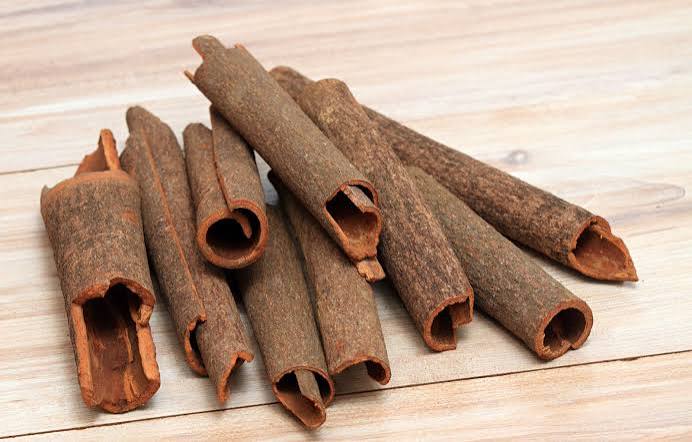
Cinnamon (Introduction, Benefits, and Usages)
Cinnamon benefits extend far beyond its role as a kitchen spice — this is one of the most studied medicinal plants in modern pharmacology, with particularly compelling evidence for blood sugar management, cardiovascular health, antimicrobial action, and anti-inflammatory effects. Cinnamon has been traded and used medicinally since at least 2700 BCE in China, and was so valued in the ancient world that it was considered more precious than gold in certain periods. Today, we understand precisely why it works — and the mechanisms are genuinely impressive. See Wikipedia: Cinnamon. For related warming spices, explore Cardamom and Clove.
What Is Cinnamon? A Complete Introduction
Origin and History of Cinnamon
Two main species are used commercially: Ceylon cinnamon (Cinnamomum verum, also called true cinnamon) from Sri Lanka, and Cassia cinnamon (Cinnamomum cassia and related species) primarily from China, Vietnam, and Indonesia. They’re similar in flavour but different in coumarin content — Cassia contains significantly more coumarin (potentially hepatotoxic at high doses) than Ceylon, which makes Ceylon cinnamon the safer choice for therapeutic supplementation. In most spice markets, what’s sold as “cinnamon” is actually Cassia — true Ceylon cinnamon is thinner-barked, more rolled, and lighter in colour.
Key Compounds and Nutritional Profile
Cinnamaldehyde (60–90% of the essential oil) is the primary bioactive compound — responsible for both the distinctive aroma and most of the antimicrobial, anti-inflammatory, and blood sugar-modulating effects. Cinnamic acid provides antioxidant and cardiovascular-protective properties. Procyanidins (Type-A proanthocyanidins) from cinnamon have specifically documented insulin-mimetic effects — activating insulin signalling pathways independently of insulin itself. These procyanidins are more concentrated in cinnamon than in most other food sources and appear central to its blood sugar-lowering mechanism.
Top Health Benefits of Cinnamon
Cinnamon Benefits for Immunity and Overall Health
Cinnamon’s blood sugar benefits are its most extensively researched application. A meta-analysis of 10 randomised controlled trials found cinnamon supplementation significantly reduced fasting blood glucose (by 24.59 mg/dL on average), total cholesterol, LDL cholesterol, and triglycerides. The mechanism involves multiple pathways: procyanidins activate insulin receptor tyrosine kinase, cinnamaldehyde improves GLUT4 glucose transporter expression, and the compounds together reduce postprandial glucose spikes by slowing gastric emptying. These are real, measurable clinical effects — not folk tradition speculation.
Cinnamaldehyde shows broad-spectrum antimicrobial activity — active against bacteria (including antibiotic-resistant strains like MRSA and E. coli), fungi (Candida, Aspergillus), and viruses. This makes cinnamon genuinely valuable for immune support during infection season and for addressing Candida overgrowth conditions.
Cinnamon for Skin, Hair, and Beauty
Cinnamon’s anti-inflammatory and antimicrobial properties make it effective for acne — topical cinnamon preparations reduce acne-causing bacteria (C. acnes) and reduce the inflammatory response. Its antifungal properties address fungal scalp conditions including dandruff caused by Malassezia. The antioxidant cinnamates protect skin cells from oxidative stress and UV-induced damage.
Some natural cosmetics use cinnamon as a lip plumper due to its mild stimulant and vasodilatory effect on skin — the mild irritant action increases blood flow to the lips, causing temporary plumping. This should only be used in very dilute concentrations as undiluted cinnamon oil causes burns on sensitive skin. See Turmeric for complementary anti-inflammatory skin support.
Medicinal Properties of Cinnamon
How Cinnamon Works as a Natural Remedy
Cinnamon’s anti-inflammatory mechanism centres on cinnamaldehyde’s inhibition of NF-kB — the master inflammatory transcription factor. This reduces production of inflammatory cytokines including TNF-alpha, IL-1beta, and IL-6, providing systemic anti-inflammatory effects relevant to arthritis, cardiovascular disease, and metabolic syndrome. Cinnamaldehyde also inhibits arachidonic acid metabolism (the COX pathway), producing effects similar to NSAIDs without the gastrointestinal side effects.
Neurological research on cinnamon is particularly exciting — cinnamaldehyde and epicatechin from cinnamon inhibit tau protein aggregation, a hallmark of Alzheimer’s disease, in laboratory studies. A study found that sodium benzoate (a metabolite of cinnamon) significantly improved learning, memory, and motor coordination in animal models of Parkinson’s disease. Human trials are still early, but the mechanistic basis for cognitive benefits is pharmacologically credible.
Cinnamon in Ayurveda and Traditional Medicine
In Ayurveda, cinnamon (Twak or Dalchini) is classified as Deepana (digestive stimulant), Grahi (absorbing intestinal secretions), and Vata-Kapha reducing. It’s used for digestive disorders, cold-type respiratory conditions, menstrual irregularities, circulatory support, and as a warming aromatic that improves the efficacy of other herbs in compound formulations. Panchanga Churna (five-spice powder), Trikatu, and numerous Ayurvedic compound formulas include cinnamon as a synergist. See Wikipedia: Cinnamomum verum.
How to Use Cinnamon — Practical Usages
Cinnamon in Food, Tea, and Cooking
Add 1/2–1 teaspoon of Ceylon cinnamon powder to oatmeal, smoothies, coffee, or yoghurt daily. This simple practice provides a meaningful dose of the blood sugar-modulating procyanidins and cinnamaldehyde. Cinnamon tea (steep a stick in boiling water for 10 minutes) provides a concentrated preparation. For blood sugar benefit specifically, adding cinnamon to high-carbohydrate meals reduces the postprandial glucose spike — sprinkle it on rice, potatoes, or sweet dishes.
Pair with Ginger and Cardamom in chai for a synergistic warming, digestive, and immunosupportive spice blend that’s both medicinally meaningful and delicious.
Cinnamon as a Supplement or Topical Application
For therapeutic blood sugar effects, the clinical trials typically used 1–6 grams of cinnamon powder daily. Use Ceylon cinnamon for supplementation — Cassia’s higher coumarin content makes it inappropriate for daily high-dose use due to potential liver stress over time. Ceylon cinnamon capsules (500 mg, 2–3 times daily) are the most convenient supplement form. Topically, cinnamon essential oil must be used highly diluted (0.5–1% in carrier oil maximum) — it’s one of the most skin-irritating essential oils and causes burns at higher concentrations.
Side Effects and Precautions of Cinnamon
- Coumarin content (Cassia): daily high-dose Cassia cinnamon may cause liver damage over time due to coumarin — always use Ceylon for therapeutic supplementation
- Blood sugar medications: can potentiate diabetes medications causing hypoglycaemia — monitor glucose and inform your doctor
- Blood thinners: may mildly enhance anticoagulant effect — caution with warfarin
- Allergy: cinnamon allergy is relatively common — can cause contact dermatitis or allergic stomatitis in sensitive individuals
- Pregnancy: culinary use is safe; high-dose supplements should be avoided as cinnamon can stimulate uterine contractions
Frequently Asked Questions About Cinnamon
What are the top cinnamon benefits for health?
The most evidence-supported cinnamon benefits are blood sugar reduction (meta-analysis confirmed), LDL cholesterol and triglyceride lowering, anti-inflammatory effects via NF-kB inhibition, broad-spectrum antimicrobial action, and emerging cognitive protection research (tau aggregation inhibition). It’s one of the few spices where the therapeutic evidence genuinely matches the traditional reputation.
How much cinnamon should I take for blood sugar?
Clinical trials showing blood sugar benefits used 1–6 grams daily (approximately 1/4 to 1 teaspoon of powder). Starting with 1/2 teaspoon daily and increasing as tolerated is practical. Use Ceylon cinnamon for daily supplementation. Results typically show in blood work after 4–8 weeks of consistent use. It works as a complement to dietary management, not as a replacement for medication or dietary changes.
What is the difference between Ceylon and Cassia cinnamon?
Ceylon cinnamon (Cinnamomum verum) has very low coumarin content, a delicate sweet flavour, thin multiple-layered rolled bark, and is safer for daily therapeutic use. Cassia (Cinnamomum cassia) has significantly higher coumarin (potentially hepatotoxic at supplemental doses), a stronger, spicier flavour, single thick rolled bark, and is fine for culinary use but not ideal for daily high-dose supplementation. What most stores sell as “cinnamon” is Cassia.
Is cinnamon good for PCOS?
Yes — a small randomised trial found cinnamon supplementation significantly improved insulin resistance in women with PCOS, and another showed improved menstrual regularity. Since insulin resistance is central to PCOS pathophysiology in most cases, cinnamon’s insulin-sensitising mechanisms are directly relevant. It’s an evidence-based adjunct to PCOS management alongside dietary intervention and appropriate medical treatment.
How to use cinnamon in Ayurveda?
In Ayurveda, cinnamon (Twak/Dalchini) is used as a digestive spice in cooking, as part of chai and warming spice blends, in medicated ghee preparations for Vata conditions, and in compound formulas for respiratory and circulatory support. The Ayurvedic approach is to use it as part of daily food and chai rather than as an isolated supplement — consistent culinary use over time provides the therapeutic benefit.
Cinnamon benefits are genuine, diverse, and accessible. Add Ceylon cinnamon to your daily routine through food and tea, choose it specifically at high-carbohydrate meals for blood sugar support, and consider a daily supplement if managing pre-diabetes or PCOS. It’s one of the most cost-effective and evidence-supported dietary interventions available for metabolic health — and it tastes good while doing it.


Add comment